
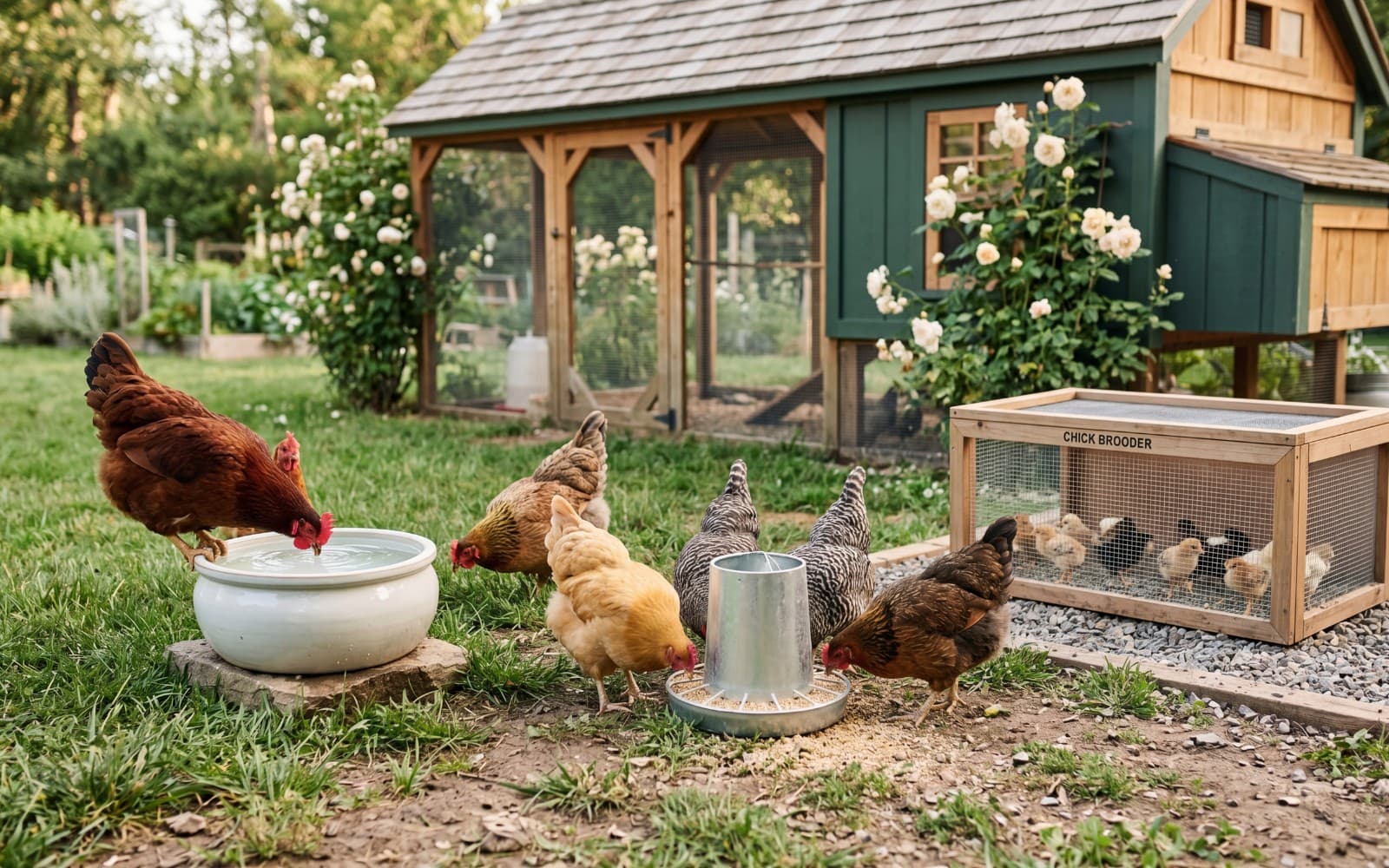
Chicken Feed
Chicken Feed Guide by Age: Starter, Grower, and Layer
What to feed chicks, pullets, and laying hens at each life stage, plus how to handle mixed-age flocks.
6 min read
Feed types, supplements, treats, and how to feed chickens well without overcomplicating it.
Feed is the single biggest lever for healthy chickens and good eggs. Learn which feed to use at each life stage, how much to give, and which treats and supplements actually pay off.
Featured tool
Need the exact amount?
Use our Chicken Feed Calculator to estimate cups, pounds, bag duration, and monthly feed costs for your flock.
Guides
Short, practical, and written for backyard keepers.
What to feed chicks, pullets, and laying hens at each life stage, plus how to handle mixed-age flocks.
6 min read
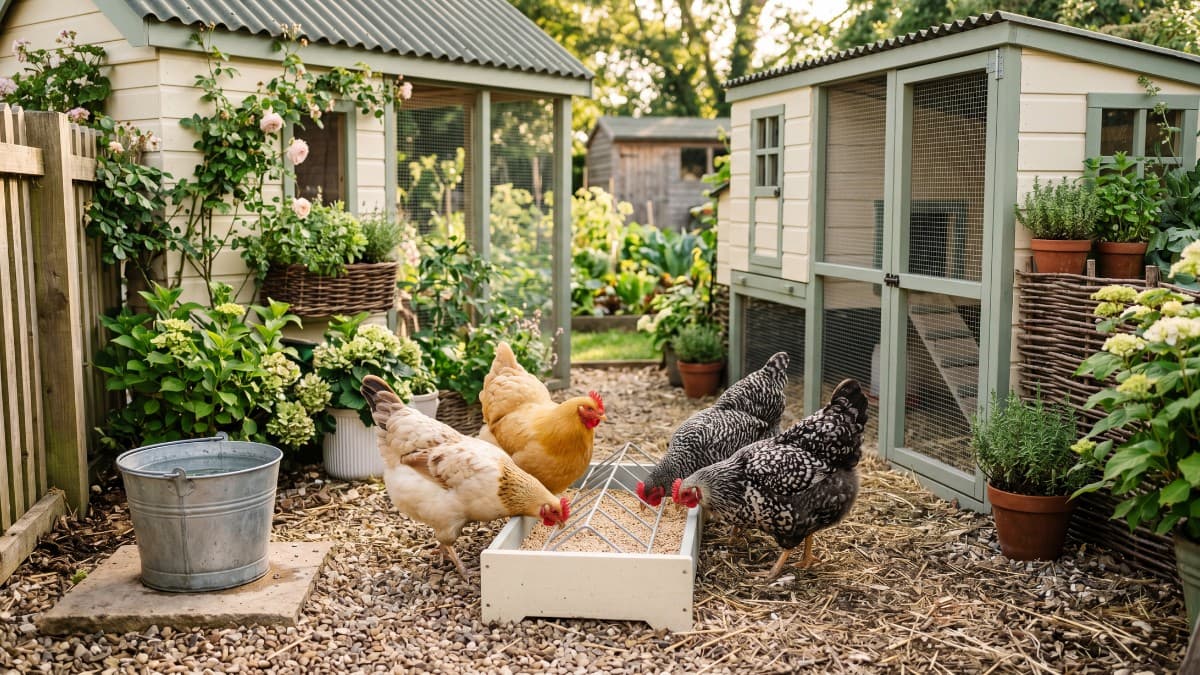
A simple daily feeding guide covering complete chicken feed, grit, oyster shell, water, safe treats, and foods to avoid.
7 min read
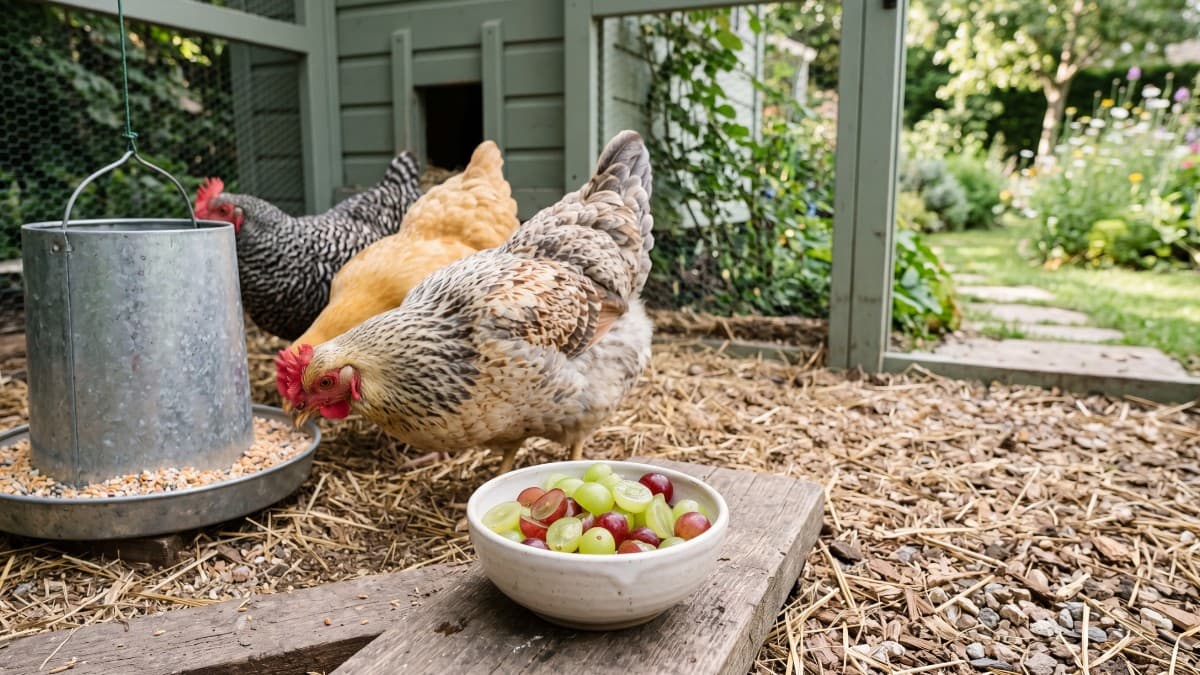
Yes, in small amounts. A practical guide to feeding grapes to backyard chickens safely, including choking risk, sugar, and moderation.
5 min read
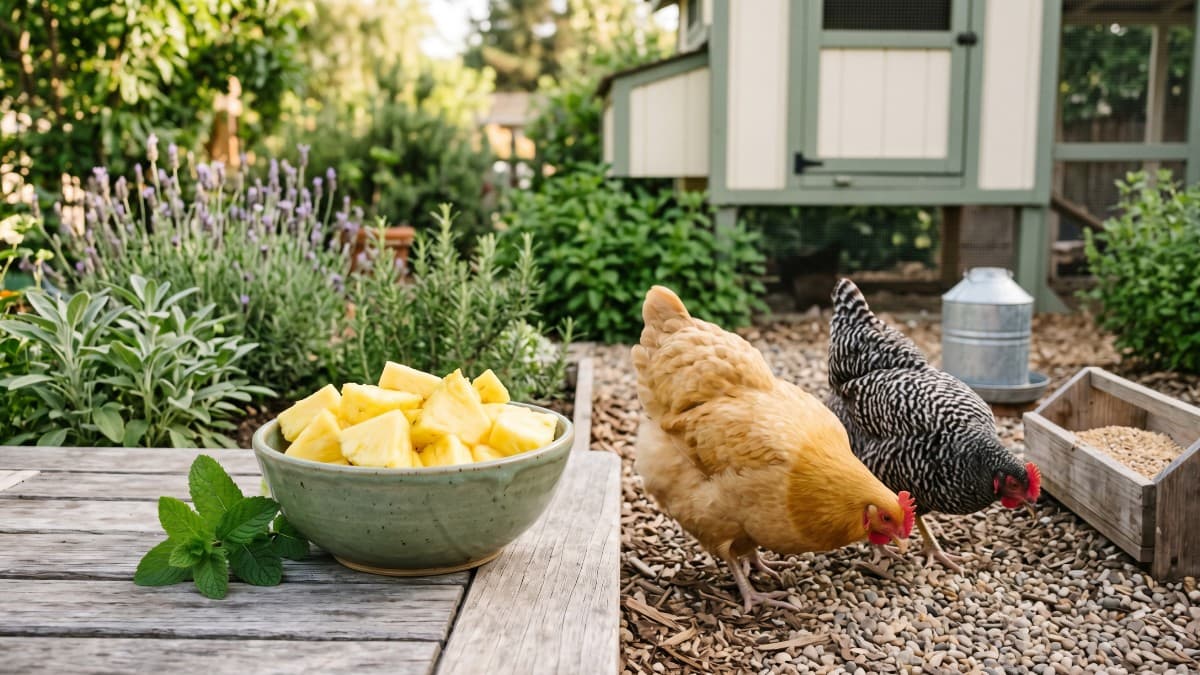
Yes, in small amounts. How to feed pineapple to chickens safely, fresh vs canned, parts to avoid, and how it fits a balanced diet.
5 min read
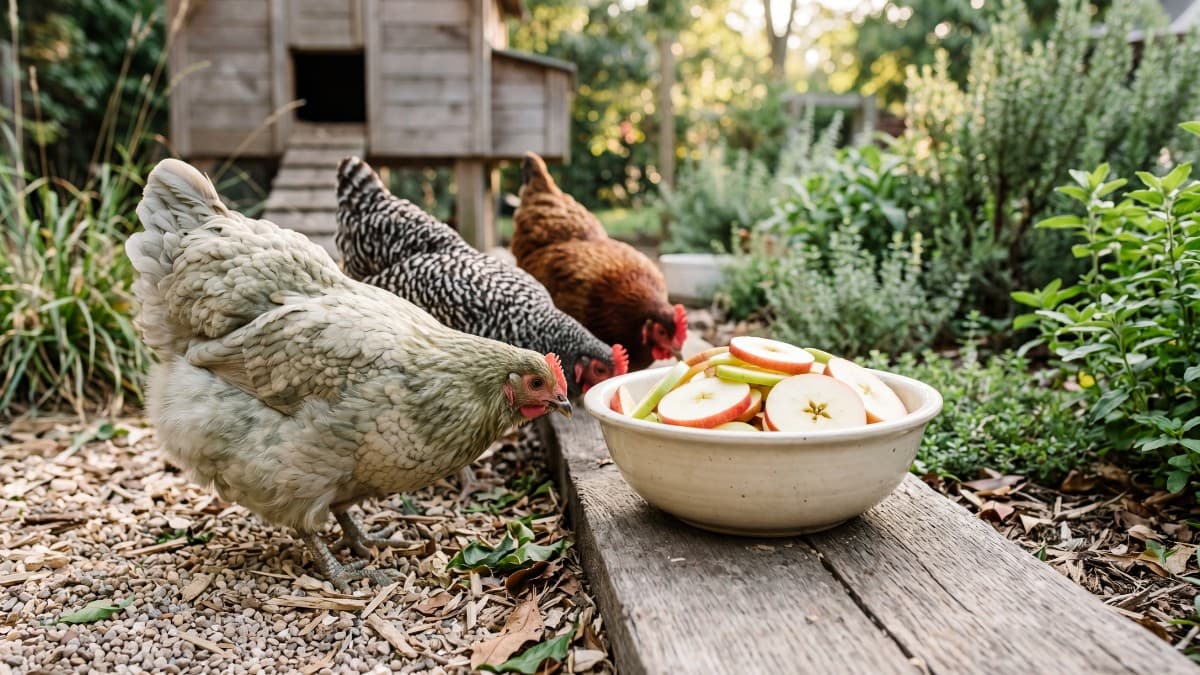
Yes, in moderation. How to serve apples to backyard chickens safely, what to do about seeds and cores, and how apples fit into a balanced diet.
5 min read
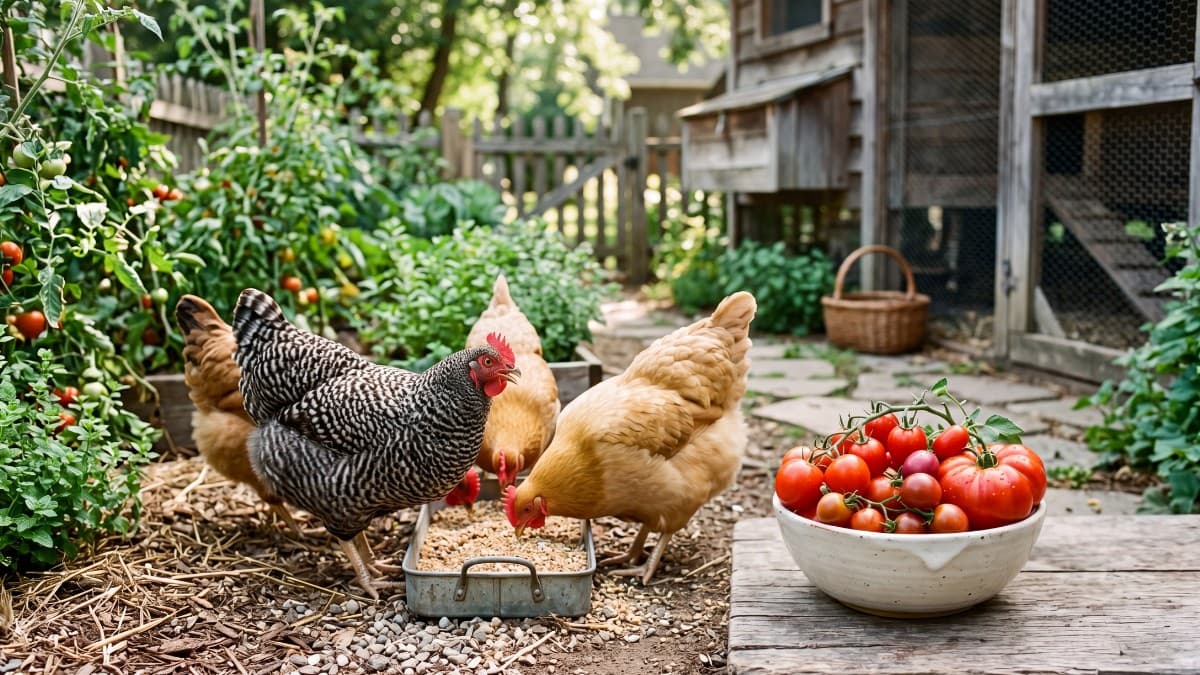
Ripe tomatoes are fine in moderation. Green tomatoes, leaves, and stems should be avoided. Here is how to serve tomatoes safely.
5 min read
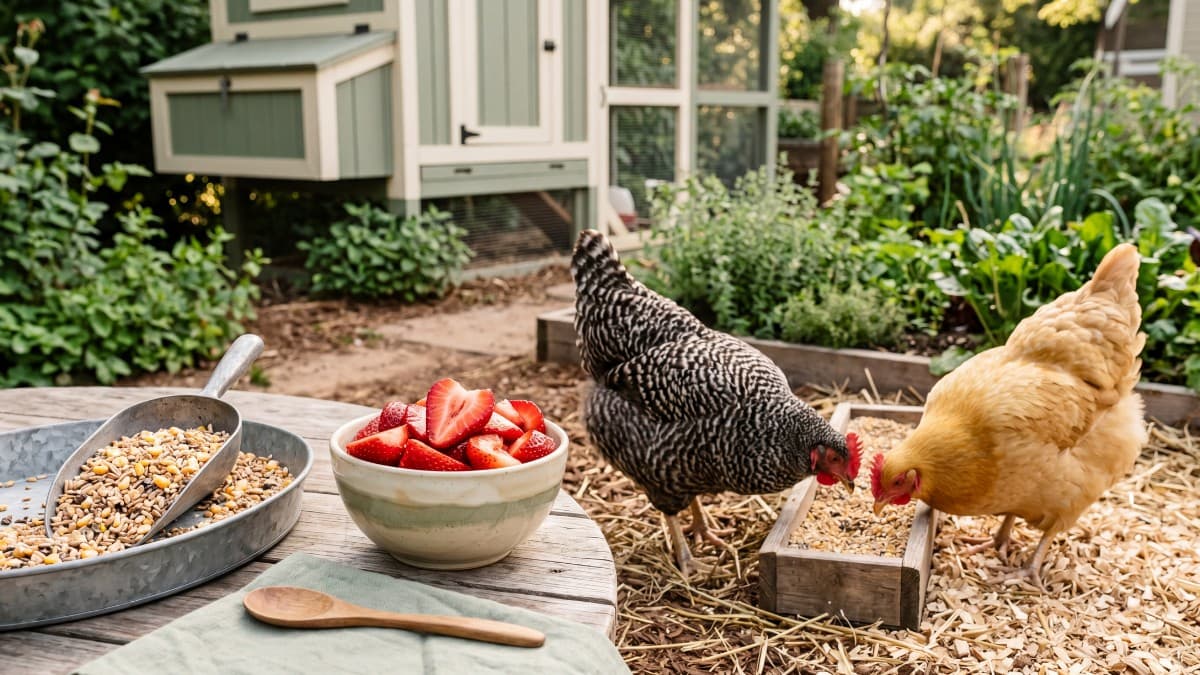
Yes, as an occasional treat. Tops and leaves are fine, sugar matters, moldy fruit is a hard no. Here is how strawberries fit a balanced diet.
5 min read
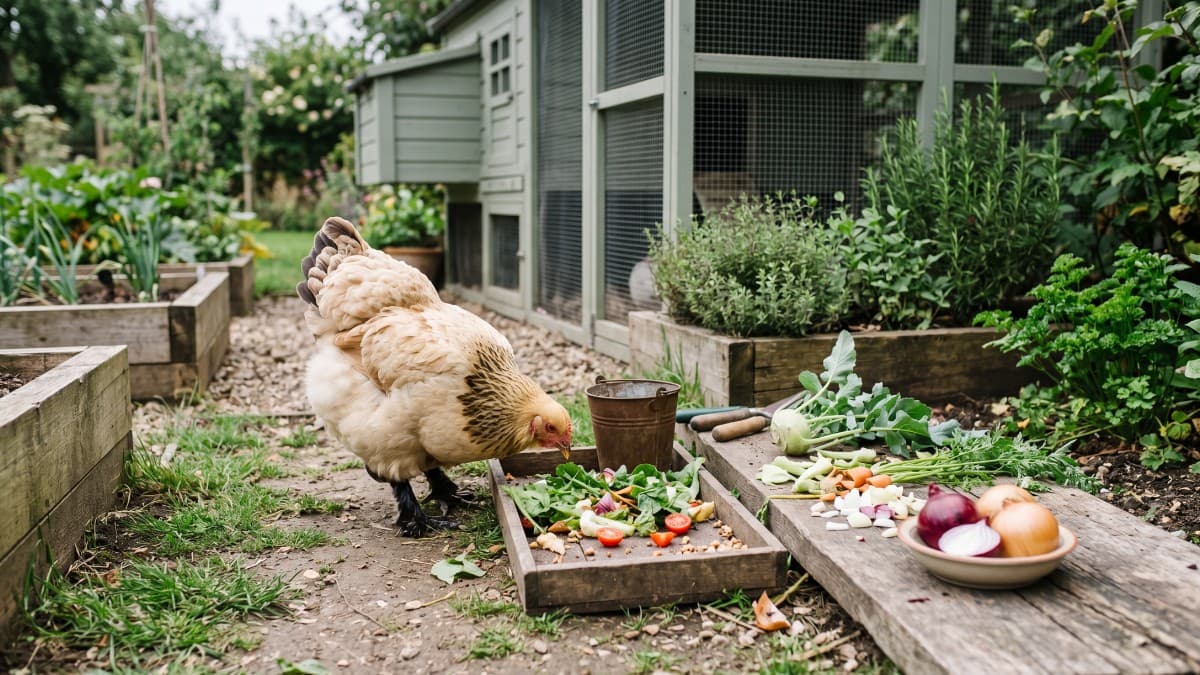
Onions are not a good chicken treat. Here is why most keepers avoid them, what to do if your flock gets a small amount, and safer alternatives.
5 min read
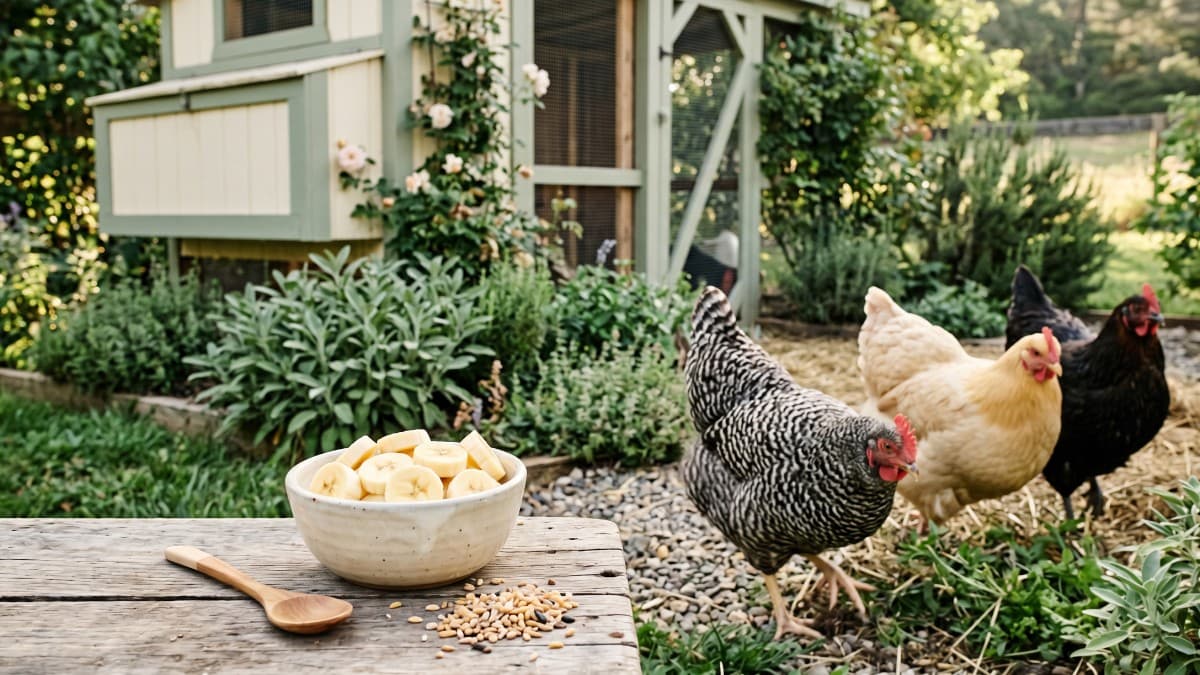
Yes, in small amounts. Bananas are sugary, so they should not replace complete feed. Here is how to serve them, peels included, without the mess.
5 min read
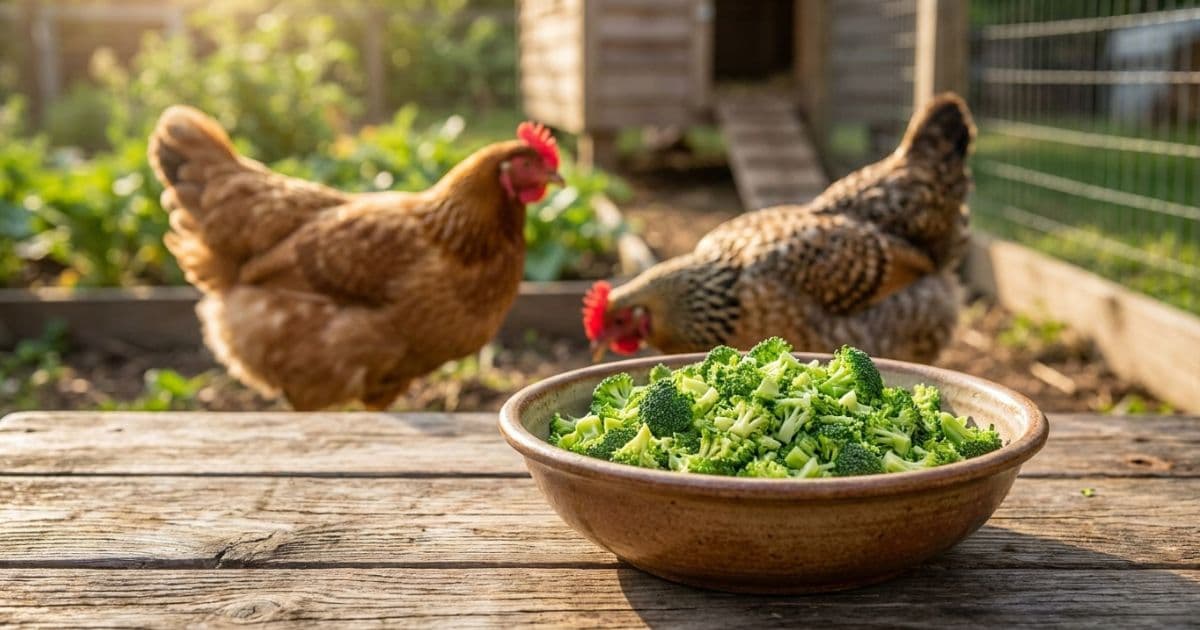
Yes, in moderation. Broccoli is a nutritious treat for backyard chickens. Learn how to feed raw or cooked broccoli, stems, leaves, and florets safely.
5 min read
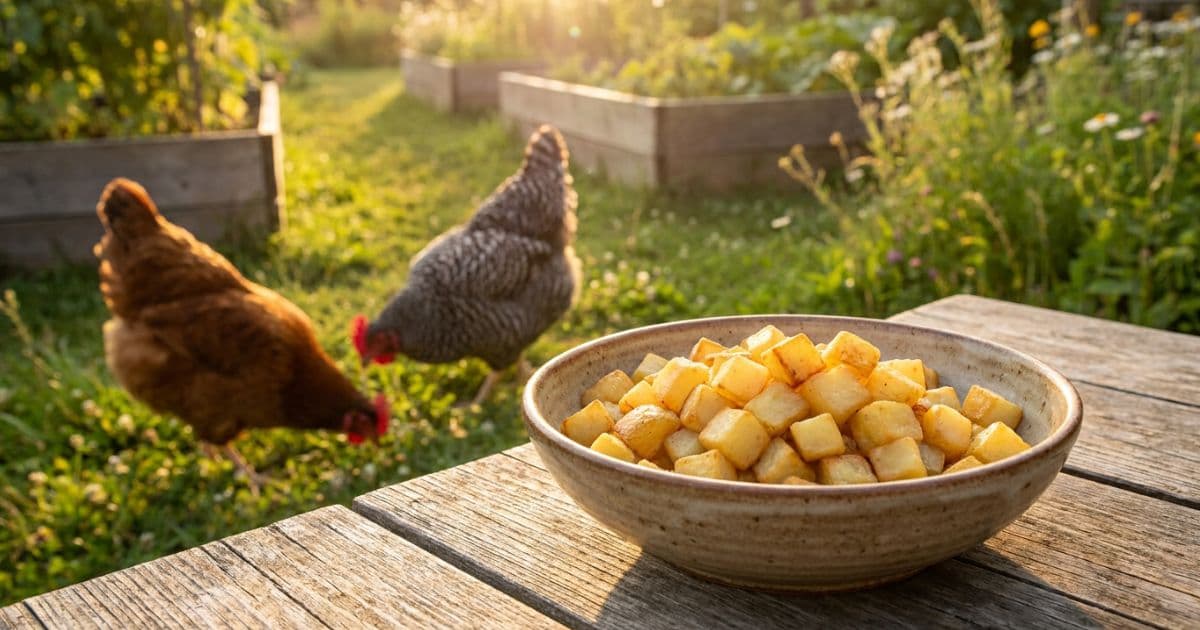
Cooked potatoes only. Raw potatoes and green skins contain solanine, which is highly toxic to chickens. Here is how to feed potatoes safely.
5 min read
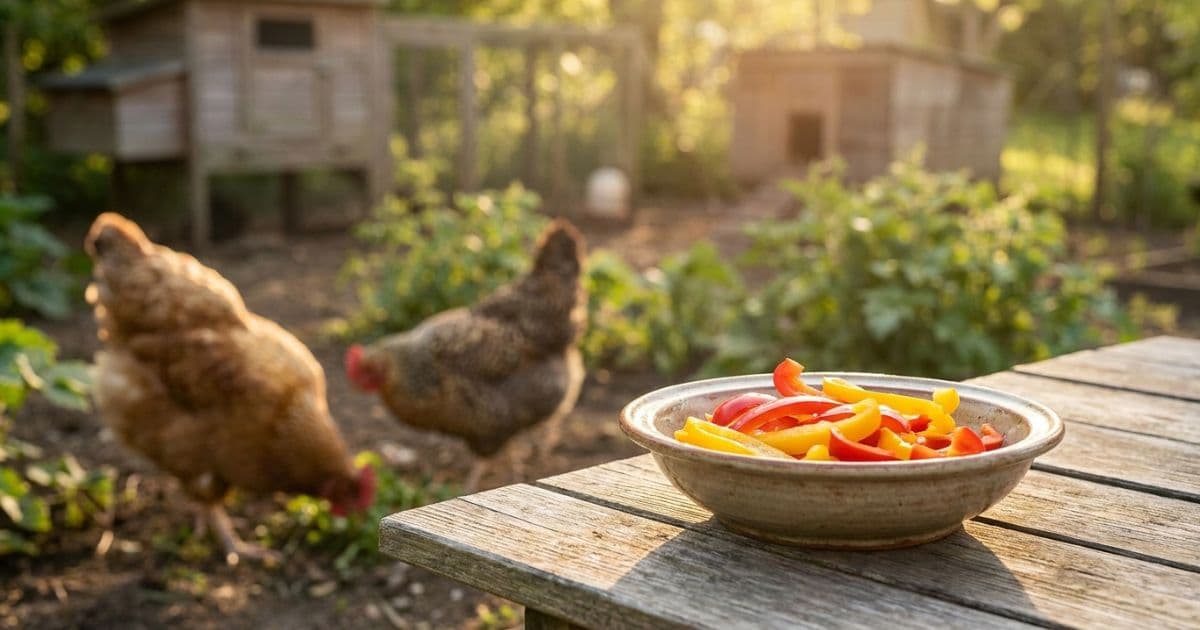
Yes, chickens can eat bell pepper flesh and seeds safely, but they must avoid the toxic leaves, stems, and vines of the nightshade plant.
5 min read
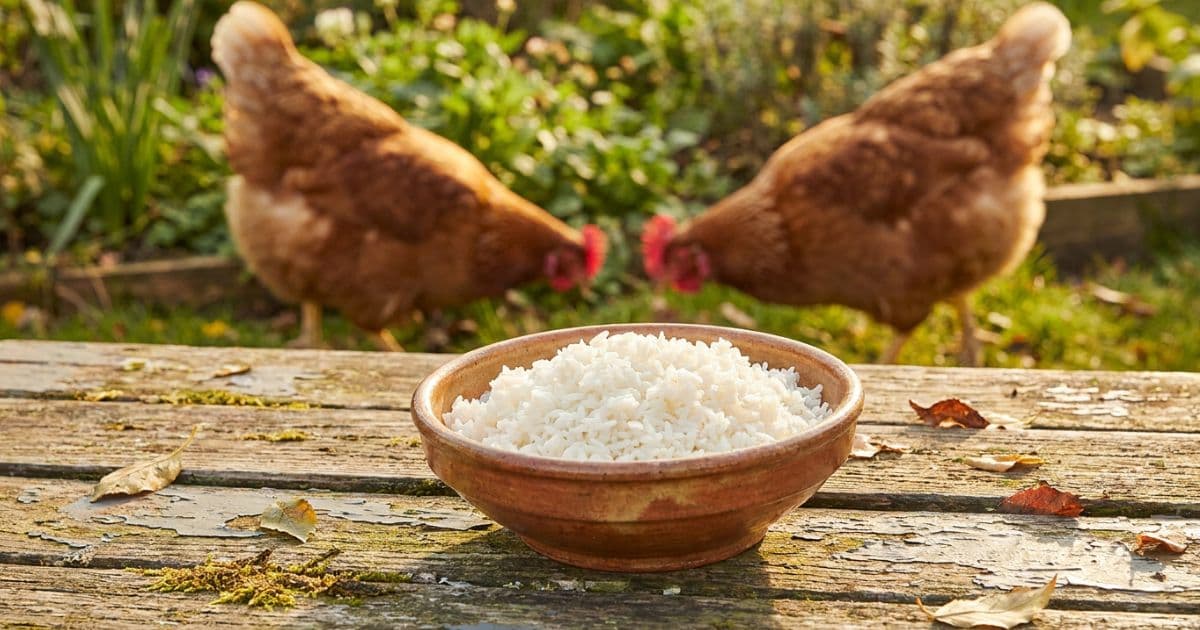
Yes, chickens can eat cooked or uncooked rice safely. Learn why the myth about uncooked rice is false and how to feed rice in moderation.
5 min read
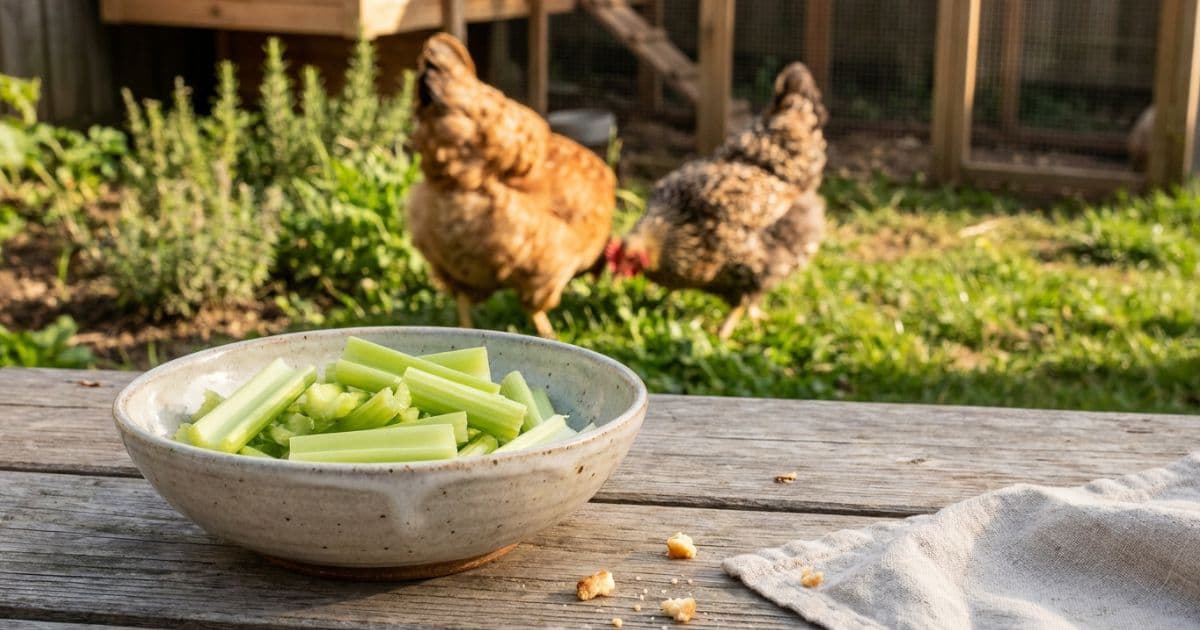
Yes, chickens can eat celery, including the leaves. However, it should be chopped into small pieces to prevent crop impaction from the stringy fibers.
5 min read
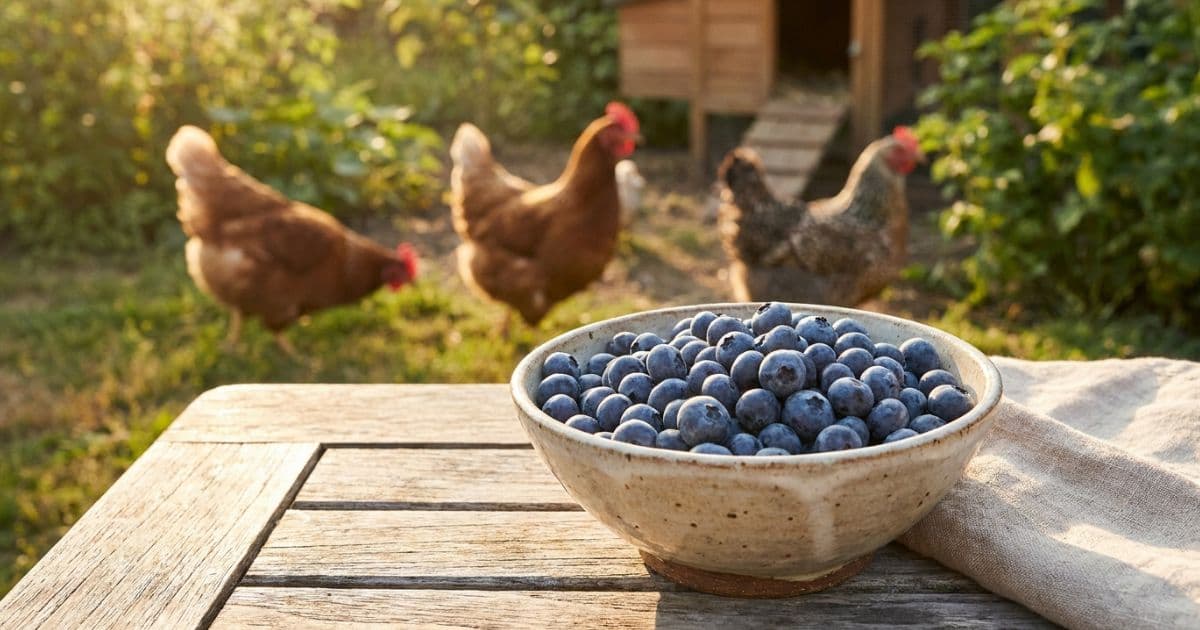
Yes, blueberries are a safe, antioxidant-rich treat that chickens love. Learn how many blueberries to feed and how to keep treats under 10% of their daily diet.
5 min read
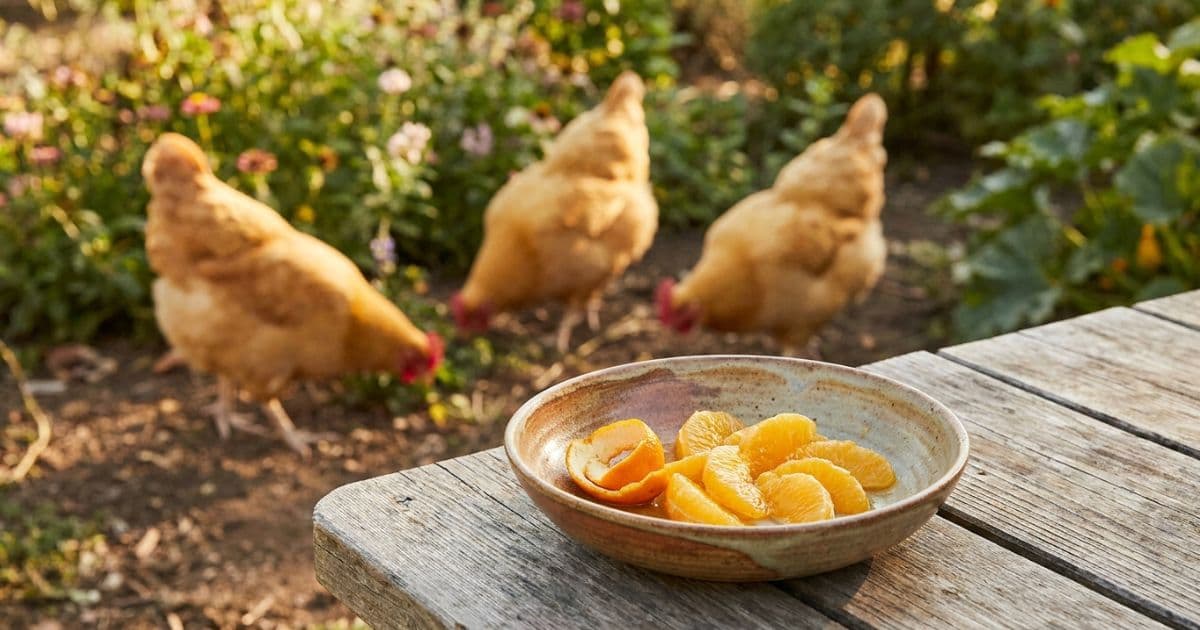
Only in small amounts. Citrus fruits are safe but not a flock favorite, and too much can cause digestive issues. Here is how to serve oranges safely.
5 min read
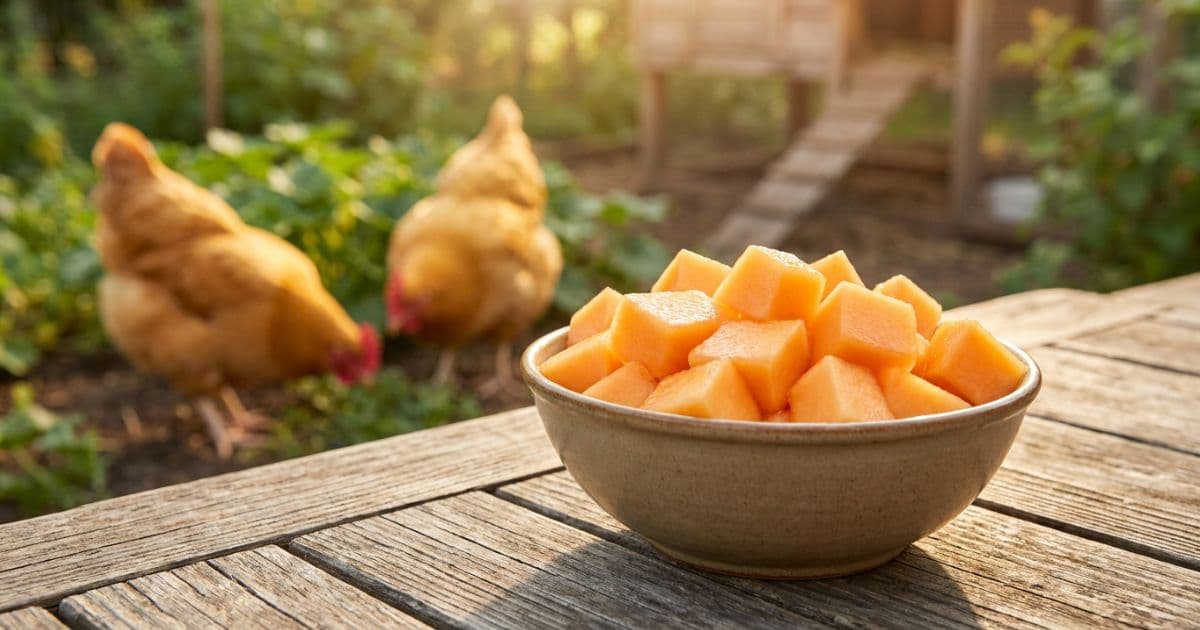
Yes, chickens can eat cantaloupe. Flesh, seeds, and rinds are all safe and make a highly hydrating, cooling summer treat for your flock.
5 min read
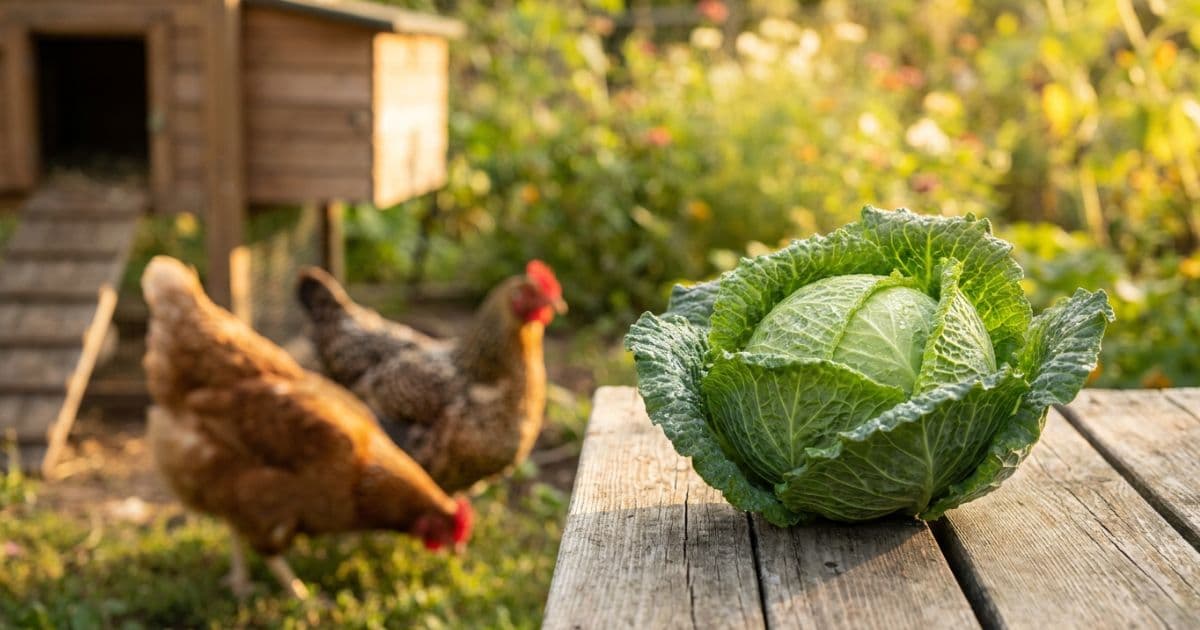
Yes, cabbage is a great, low-calorie treat. Hanging a whole head of cabbage in the run is a popular way to beat flock boredom in winter.
5 min read
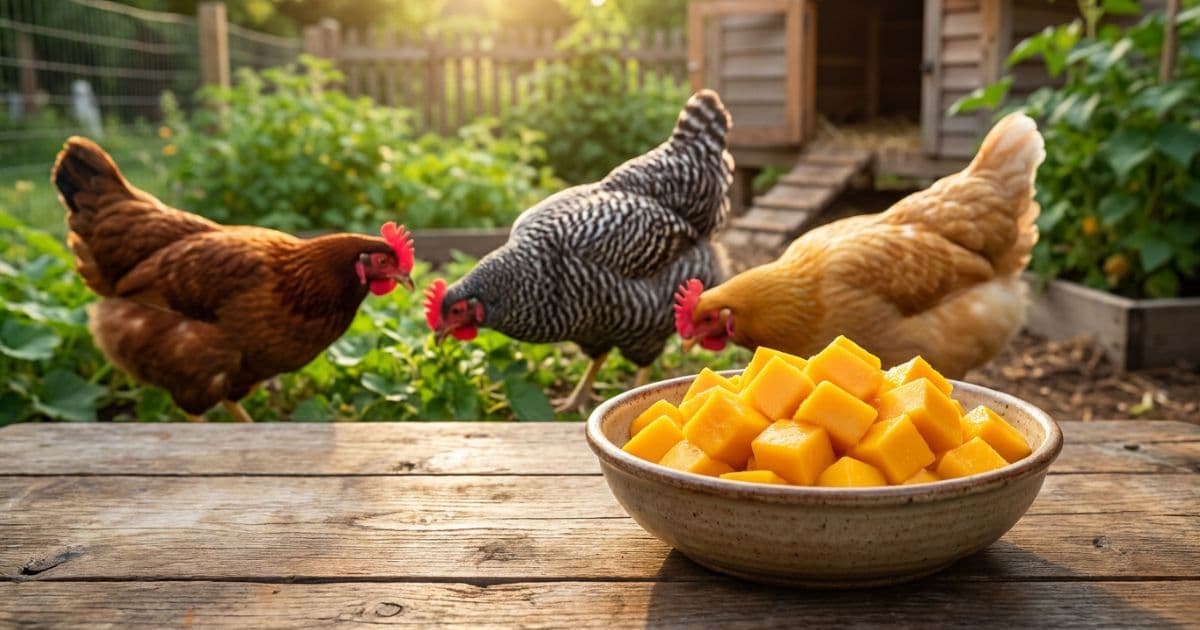
Yes, chickens can eat ripe mango flesh. Skip the large pit, which is a choking hazard, and feed the sugary skin in strict moderation.
5 min read
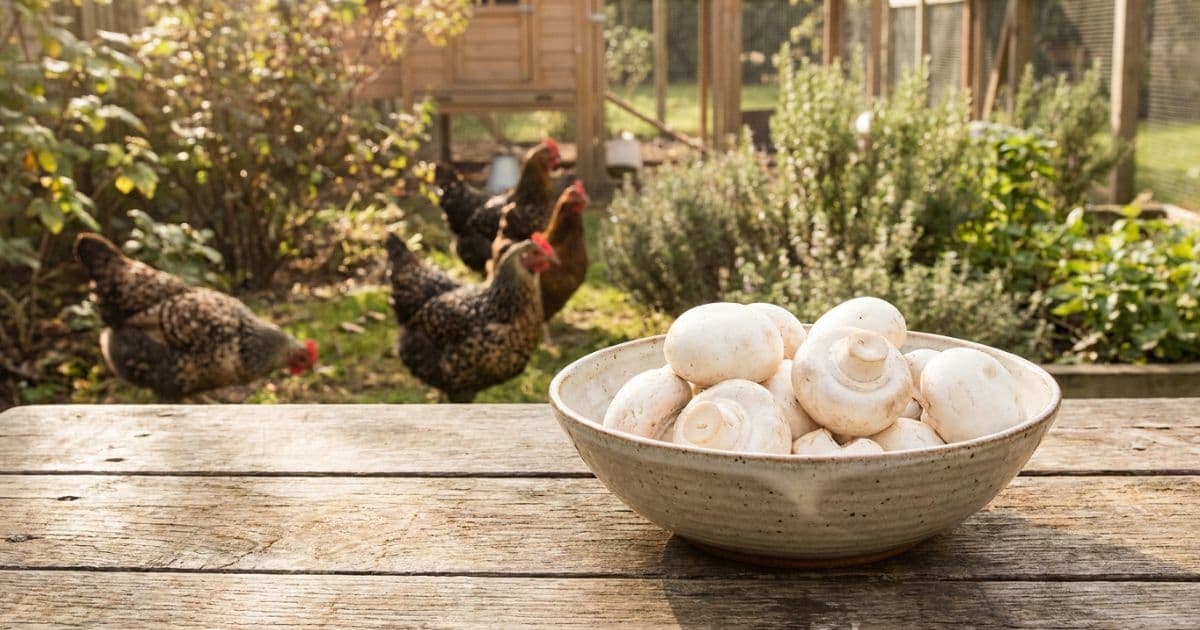
Only plain, cooked, store-bought mushrooms. Never feed wild or foraged mushrooms to your flock, as many species are highly toxic and fatal.
5 min read
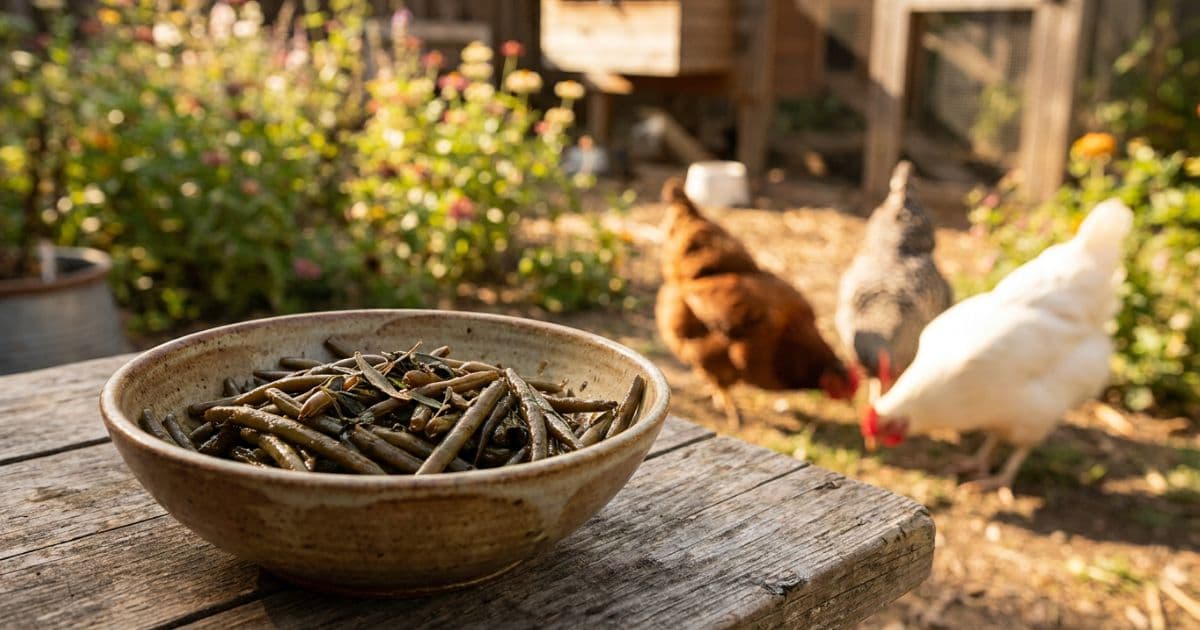
Cooked only. Raw and dried green beans contain lectins, which are toxic to chickens. Learn how cooking makes green beans safe for your flock.
5 min read
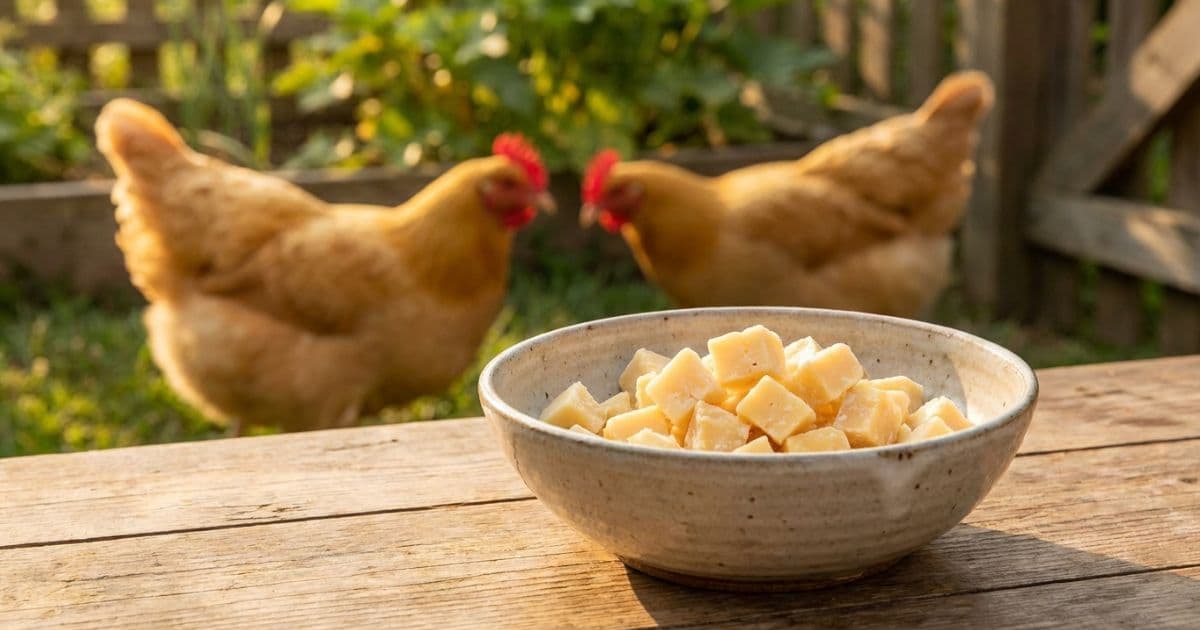
Only in tiny amounts. Chickens cannot digest dairy or lactose well, so cheese should be a rare, high-fat treat rather than a regular staple.
5 min read
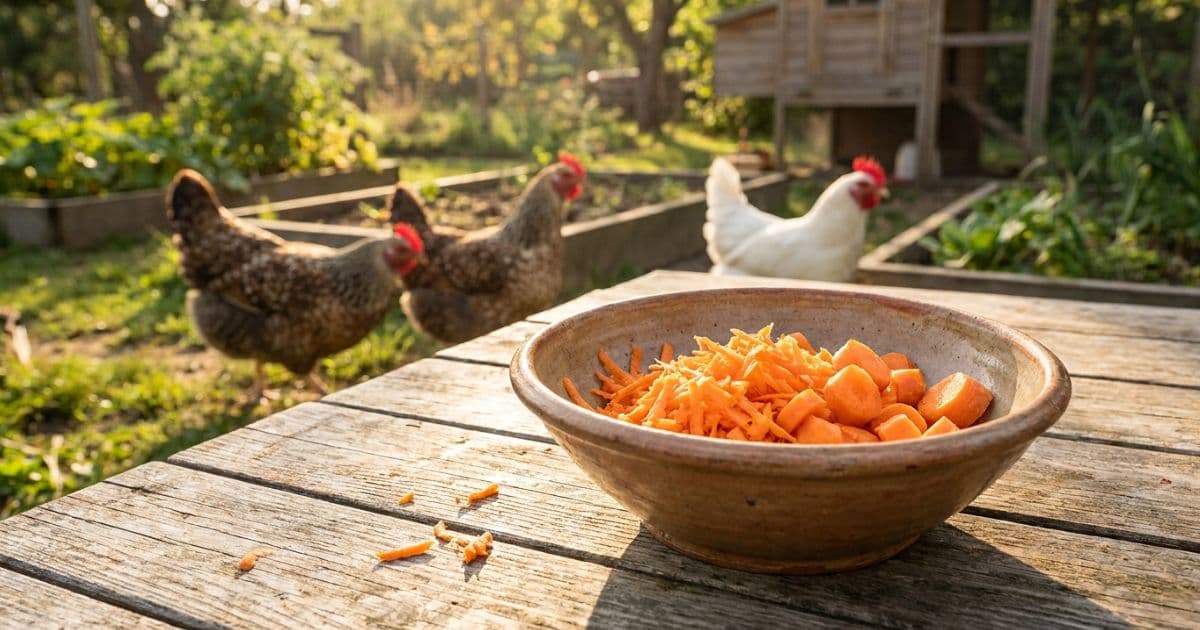
Yes, carrots are a low-sugar, nutrient-dense treat. Serve them cooked or raw and grated, and feel free to include the leafy carrot tops.
5 min read
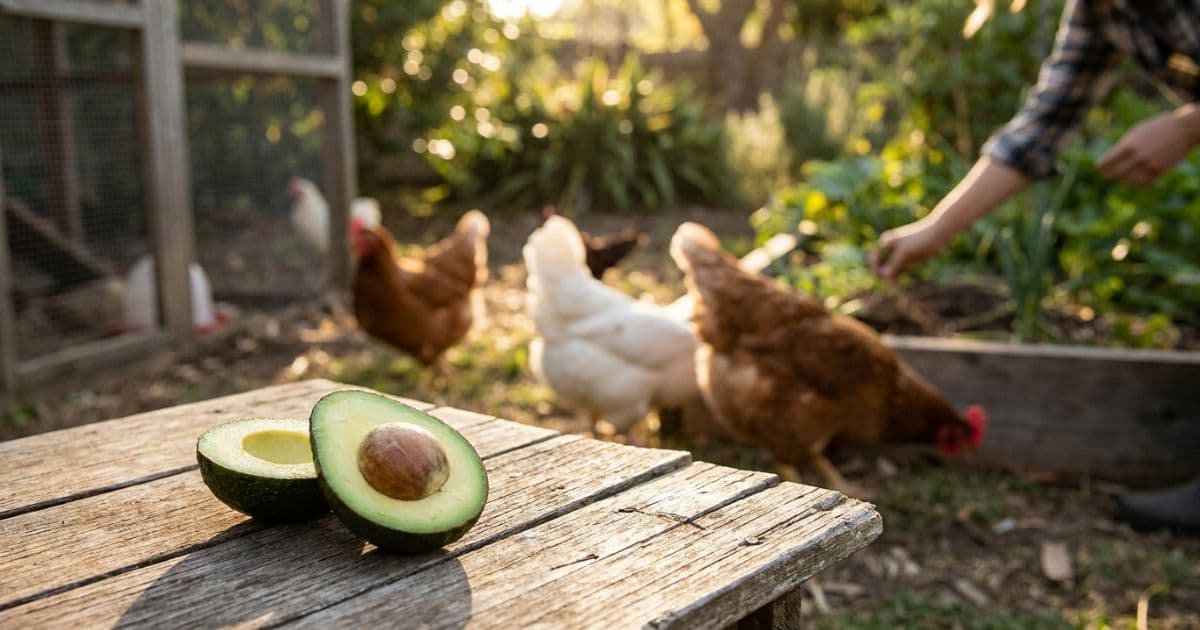
Avoid entirely. Avocado skin, pit, leaves, and bark contain persin, a toxin that can be fatal to chickens. Learn why it is safest to skip avocado.
5 min read
Feed is the biggest single influence on health, growth, and egg quality. The good news is that it’s also the easiest thing to get right.
Treats and scratch should stay under about ten percent of the diet. They’re great for training and bonding, but they dilute the nutrients in your real feed.
The guides below cover daily feeding, life-stage feed transitions, water, treat safety for fruits and kitchen scraps, and how to avoid common feeding mistakes. If you want a quick estimate of how much feed your flock needs each week or month, try our chicken feed calculator.
Start here
A short reading order for chicken feed beginners.
Printable bundle
Want the printable checklists? Get the Chicken Homestead Checklist Bundle with beginner chicken care, coop cleaning, egg collection, feeding, seasonal routines, and flock record sheets.
Keep exploring
Daily routines and seasonal care for a healthy flock.
Explore guides →Pick the right birds for eggs, temperament, and climate.
Explore guides →Plans, predator-proofing, and ideas for a safe coop.
Explore guides →Get more eggs and understand laying cycles.
Explore guides →