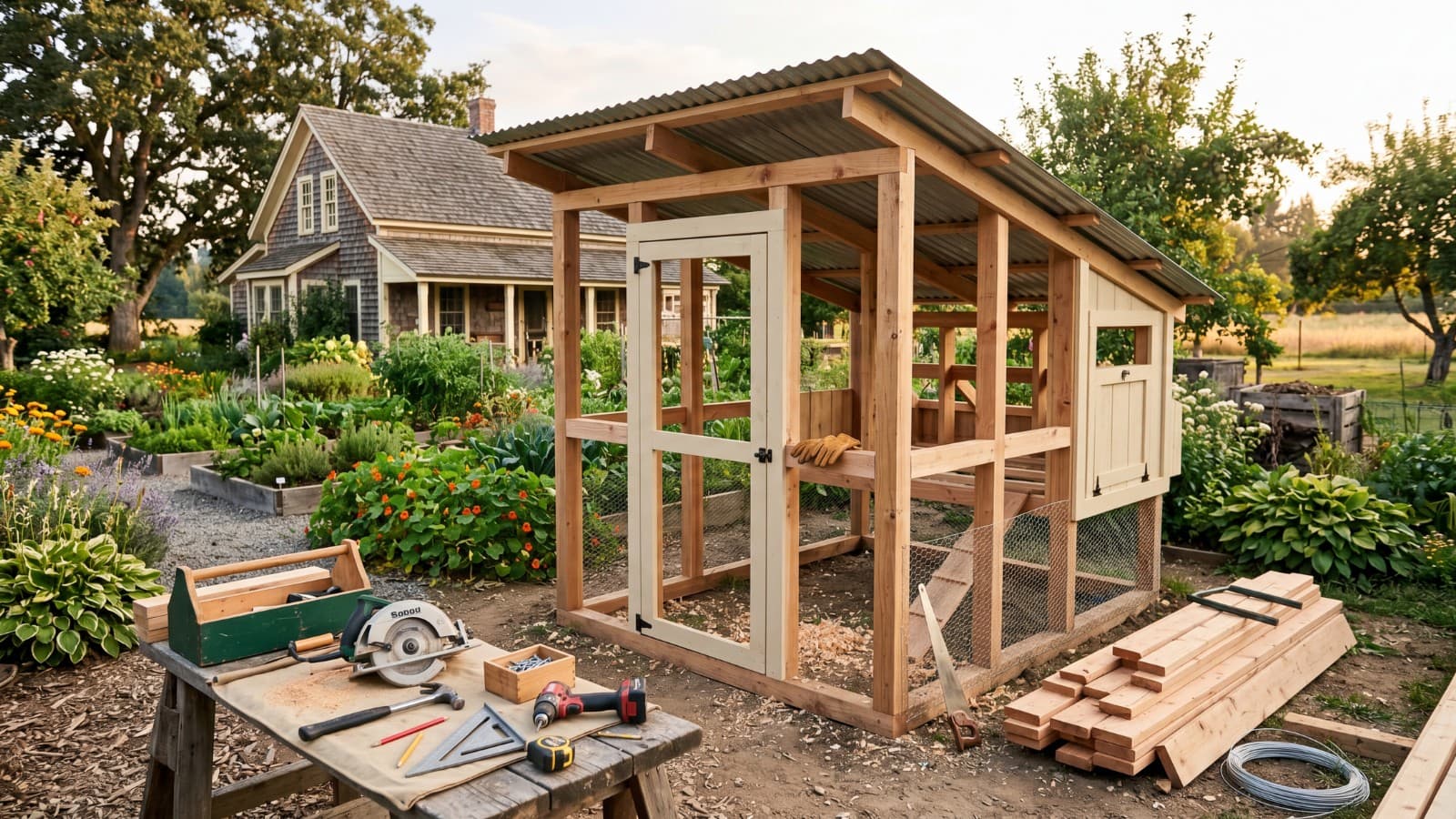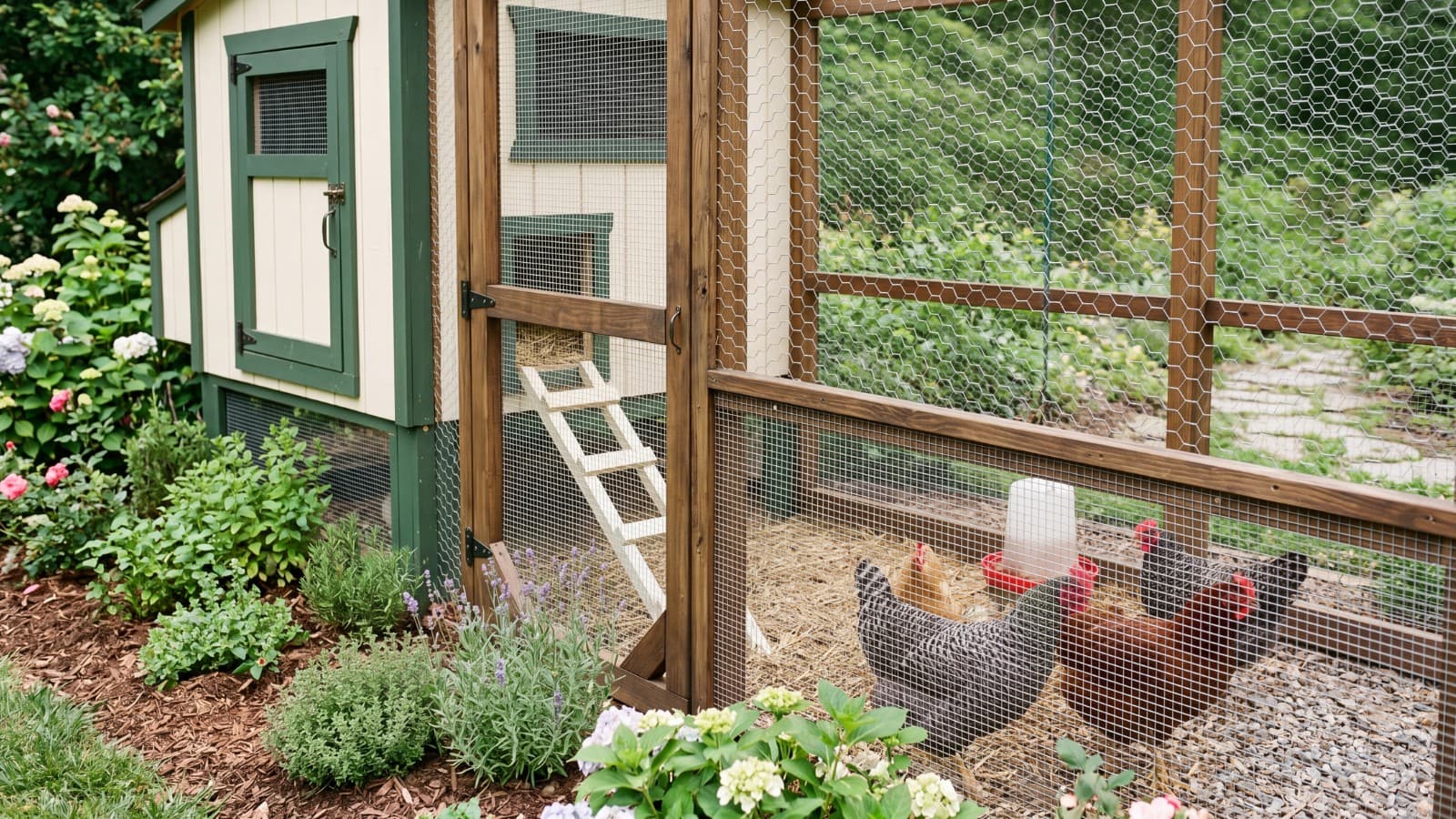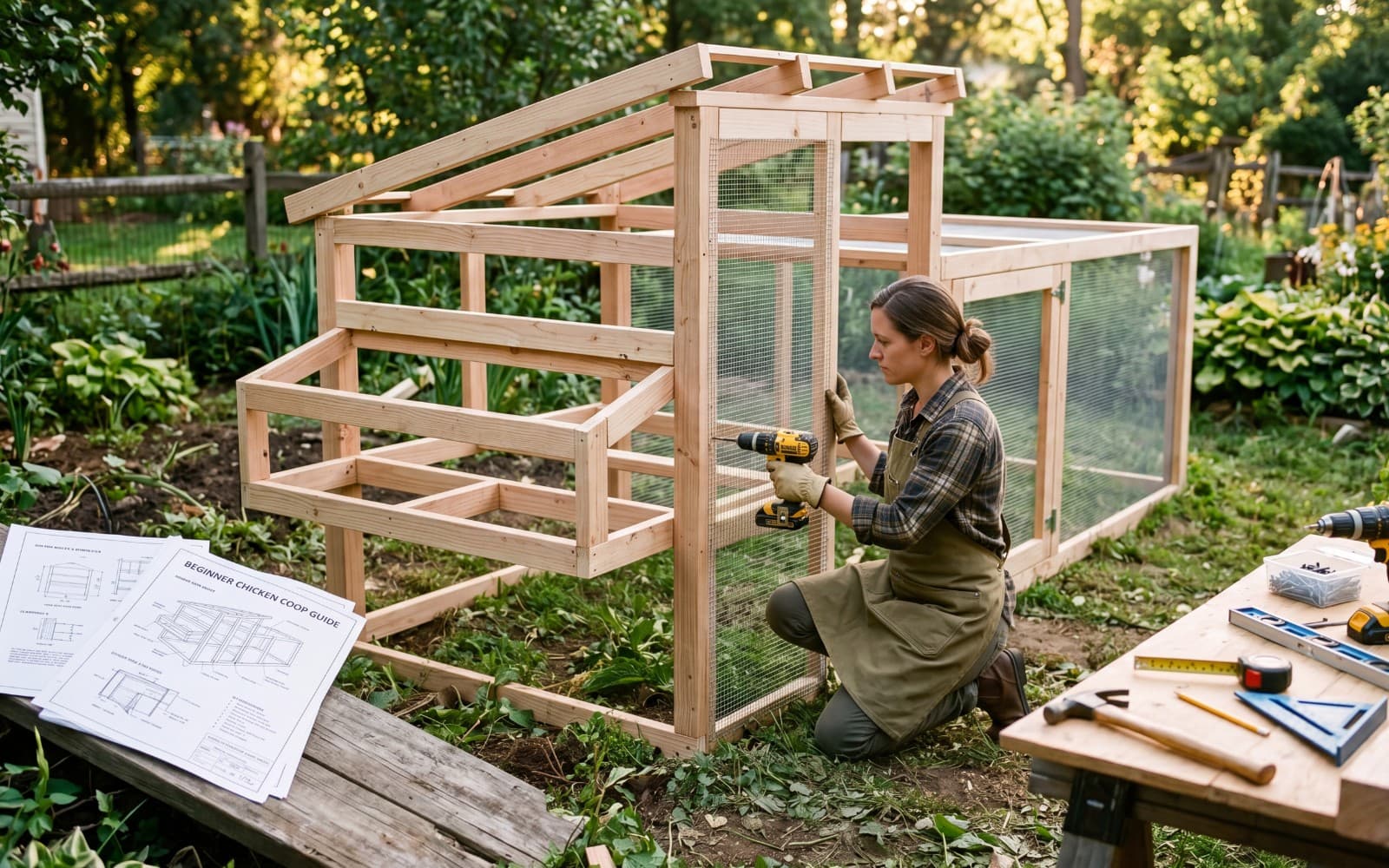
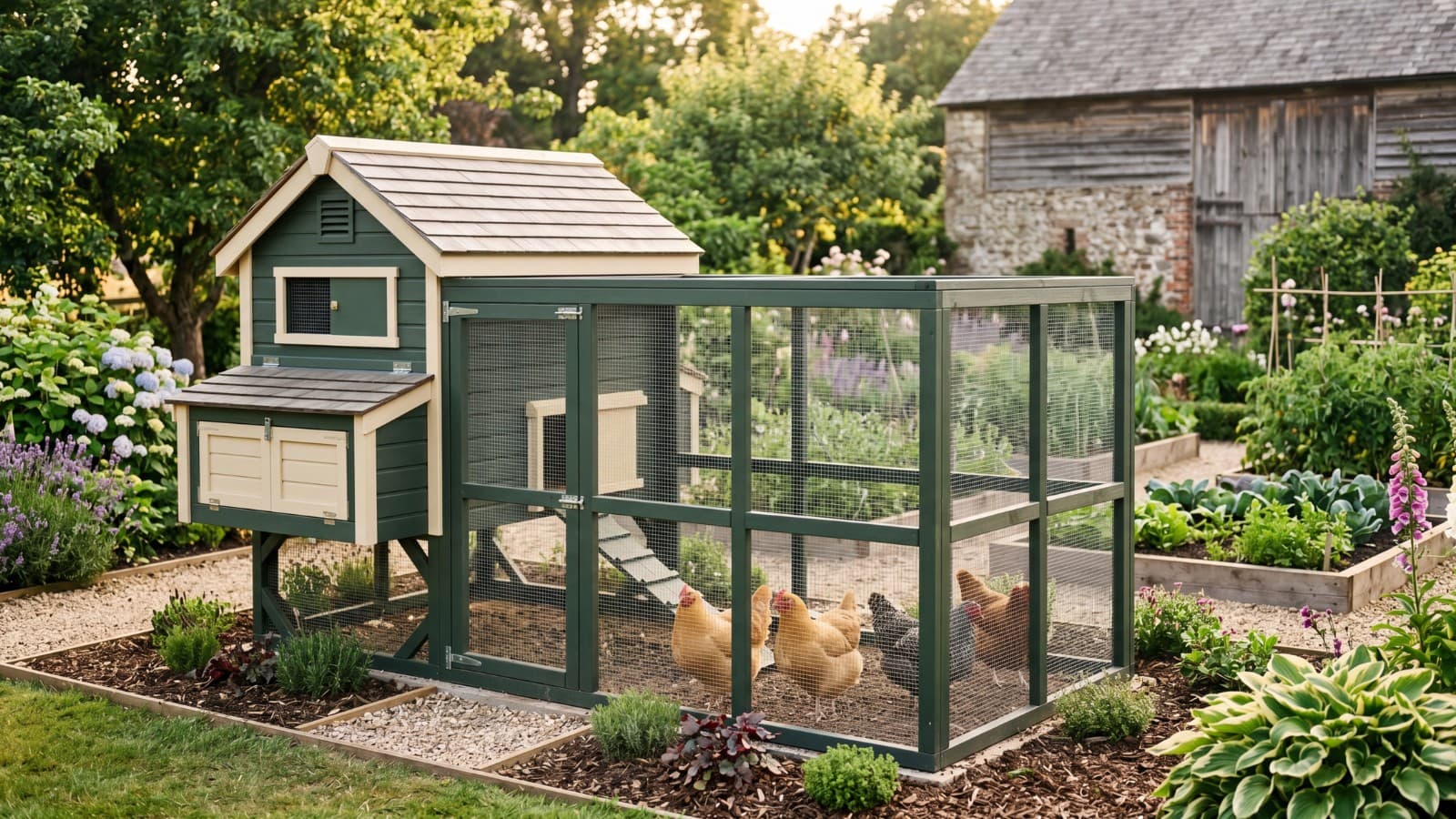
Building a chicken coop is one of the most important projects for any backyard flock keeper. A good coop serves as a secure fortress against predators, a shelter from harsh weather, and a comfortable place for hens to lay their eggs. Rather than trying to design a coop from scratch, using high-quality chicken coop plans ensures that you include all the necessary features for ventilation, space, and access. This guide explores what makes a coop plan successful, how to calculate the correct sizing, flooring options, and how to avoid common design pitfalls.
What makes a good plan
A successful chicken coop plan must balance flock comfort with keeper convenience. The plan should feature clear structural details, a complete materials list, and step-by-step instructions. For the chickens, it must specify secure nesting boxes, draft-free roosting bars, and high ventilation vents. For the keeper, it must include wide access doors for easy cleaning, exterior egg collector doors, and durable materials that withstand years of weather exposure. Using standard framing dimensions ensures the build remains sturdy and stable. Plans should also include details for strong roof overhangs to protect open vents from driving rain.
It should also utilize standard lumber dimensions (such as 8-foot 2x4 studs and 4x8 sheathing panels) to minimize the number of custom cuts you need to make. This efficiency reduces material costs and speeds up assembly time, making the construction process much more straightforward for DIY builders. Good plans also specify the exact type and size of screws and hardware needed, preventing wasted trips to the hardware store and ensuring that structural joints remain solid over time under wind loads.
Sizing the coop
Calculating coop dimensions is critical to avoid overcrowding. As a general rule, plan for 3 to 4 square feet of interior floor space per standard-sized hen. If you have ten chickens, your coop should have at least 30 to 40 square feet of floor space (for example, a 6x6 or 6x8 foot build). Additionally, you must plan for at least 10 square feet of outdoor run space per bird to ensure they have enough room to forage and exercise daily. Sizing nesting boxes is also key, requiring one 12x12 inch box for every three to four hens, placed low to the ground to keep nesting clean.
Overcrowding is a major cause of behavioral issues, such as feather-pecking and egg-eating. When designing your coop layout, ensure you also allow for future flock expansion, as most keepers find themselves adding more birds to their flock over time. Building a slightly larger coop initially is much cheaper than expanding a small one later. Providing sufficient roosting bar space—about 8 to 10 inches per standard bird—is also necessary to ensure all hens can sleep comfortably at night without squabbling over space.
Ventilation done right
Proper ventilation is the single most critical factor for flock health. Chickens release lots of moisture through their breath and droppings. If this moisture cannot escape, it combines with ammonia fumes to damage their lungs and cause frostbite in winter. High-quality plans place open vents near the roofline, well above the level of the roosting bars, allowing stale air to rise and escape without blowing cold air directly onto the birds. Vents must be covered with hardware cloth to keep out pests.
As a rule of thumb, you should provide 1 square foot of vent opening for every 10 square feet of coop floor space. These vents should be covered with 1/2-inch hardware cloth to keep out pests, and should be equipped with hinged wooden shutters that can be closed during severe winter storms while still allowing minimal airflow. Baffled vents are excellent because they allow air exchange while blocking strong direct winds, maintaining a draft-free environment at the roosting level.
Predator-proofing
Your coop plan must be designed like a high-security vault. Standard chicken wire is too weak to keep out determined predators; instead, the plan should specify wrapping all vents, windows, and runs in 1/2-inch hardware cloth. The doors must feature secure latches that raccoons cannot manipulate, and the plan should include a wire apron buried 12 inches deep around the perimeter to prevent digging pests from entering. Lock latches should require two hands to open, such as padlocking carabiners.
Burying the wire apron flat on the ground and covering it with soil or gravel is highly effective at stopping foxes, coyotes, and dogs. Additionally, the coop should have a solid wooden floor rather than a dirt floor, as rodents can easily burrow up through soil to gain entry into the coop at night. All joints and access hatches must be flush with no gaps wider than a half-inch, preventing weasels from squeezing inside to attack the roosting birds.
Where most plans fall short
Many free online coop plans fall short because they prioritize styling over practical cleaning access. If a plan requires you to bend down or crawl inside to clean the floor, you will struggle to maintain coop hygiene. Look for plans that feature full-size walk-in doors or elevated floors with large clean-out hatches. Plans also frequently omit structural details like ramp angles and feeder placement, which you must correct during construction. Make sure ramp angles are kept gentle to prevent joint strain.
They also tend to skimp on ventilation details, sealing the structure up tight like a human home. Make sure the plan you select has been designed specifically by experienced poultry keepers who understand the unique air-exchange needs of chickens. A beautiful coop is useless if it makes your birds sick. Good plans should also detail how to mount roosting bars using removable brackets, allowing you to slide them out for easy scraping during deep cleanings.
Frequently Asked Questions
Quick, practical answers to common questions about feeding this to chickens.
About the Author

Amy Schmelter is a lifelong chicken keeper raising a large flock in Florida and the author of the upcoming book What I Wish I Knew Before Getting Chickens. She started Chicken Homestead to share what actually works.
Disclosure
Some links on Chicken Homestead may be affiliate links. We only recommend products we’d use ourselves. See our affiliate disclosure for details.