
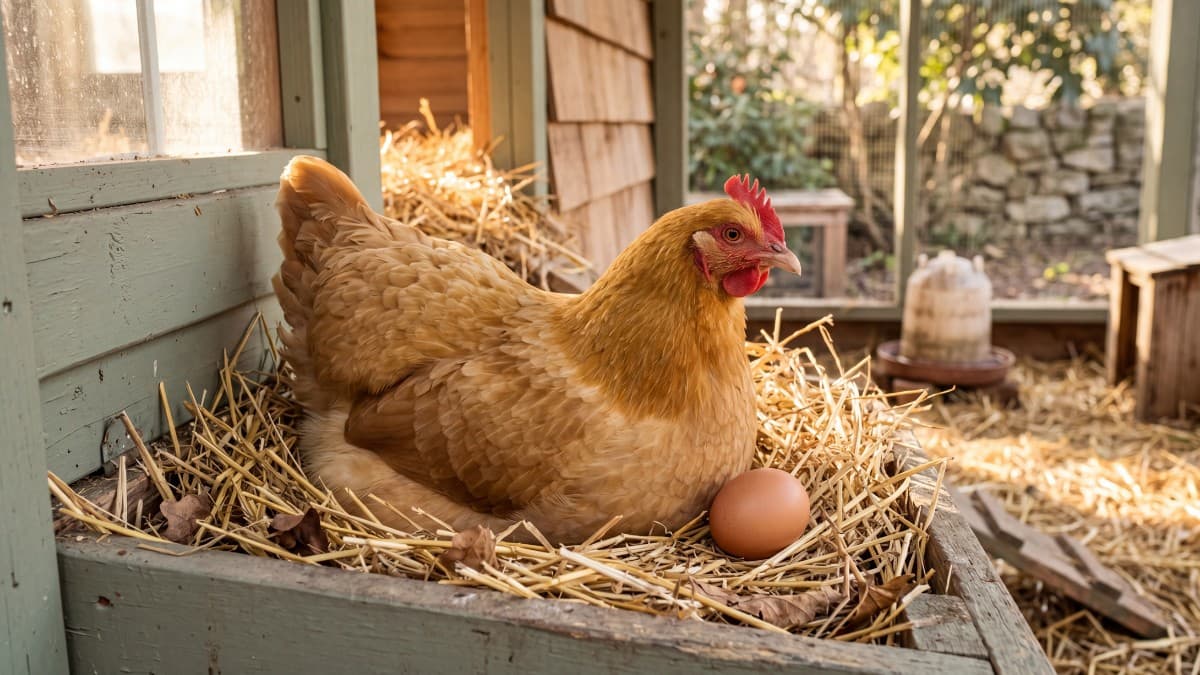
Egg Laying
How Many Eggs Does a Chicken Lay a Day?
Most laying hens lay no more than one egg per day, and many lay four to six per week. Here is what actually drives daily egg production.
6 min read
How hens lay, when they slow down, and the small changes that keep your nest boxes full year-round.
Egg laying is the most rewarding part of keeping chickens, and the most misunderstood. Learn how laying cycles work, what hurts production, and the simple changes that help hens lay consistently.
Guides
Short, practical, and written for backyard keepers.
Most laying hens lay no more than one egg per day, and many lay four to six per week. Here is what actually drives daily egg production.
6 min read
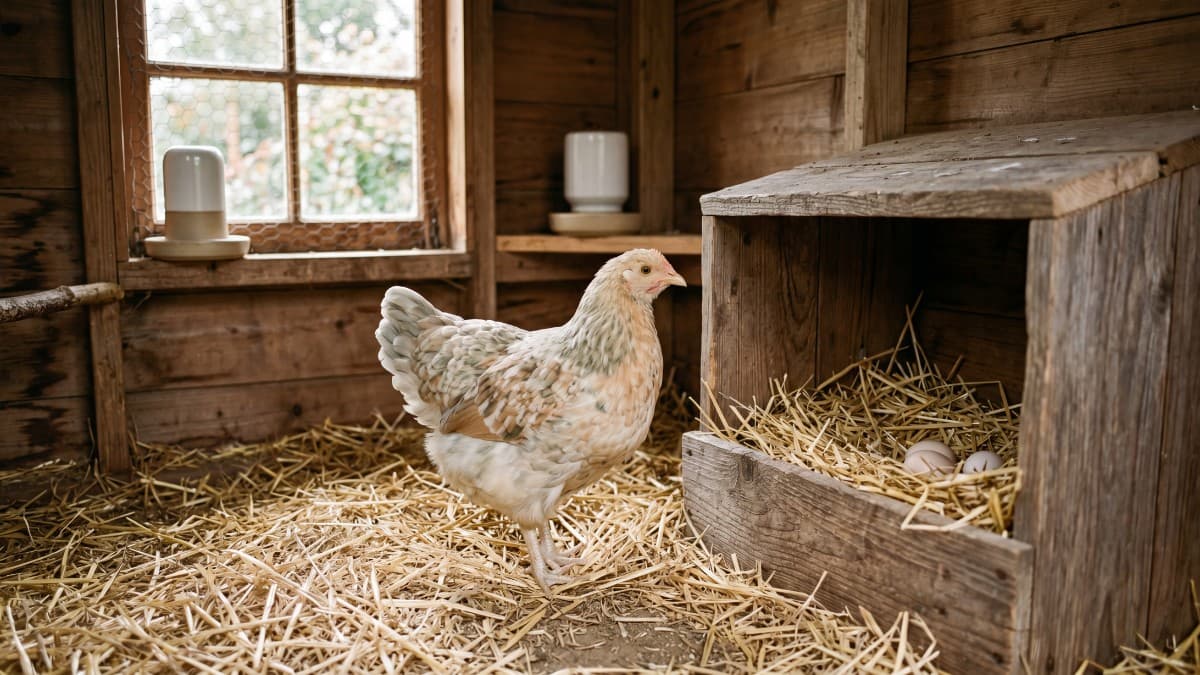
Most hens start laying around 18 to 24 weeks, but breed, season, daylight, and nutrition all shift the timing. Plus the signs a pullet is close.
6 min read
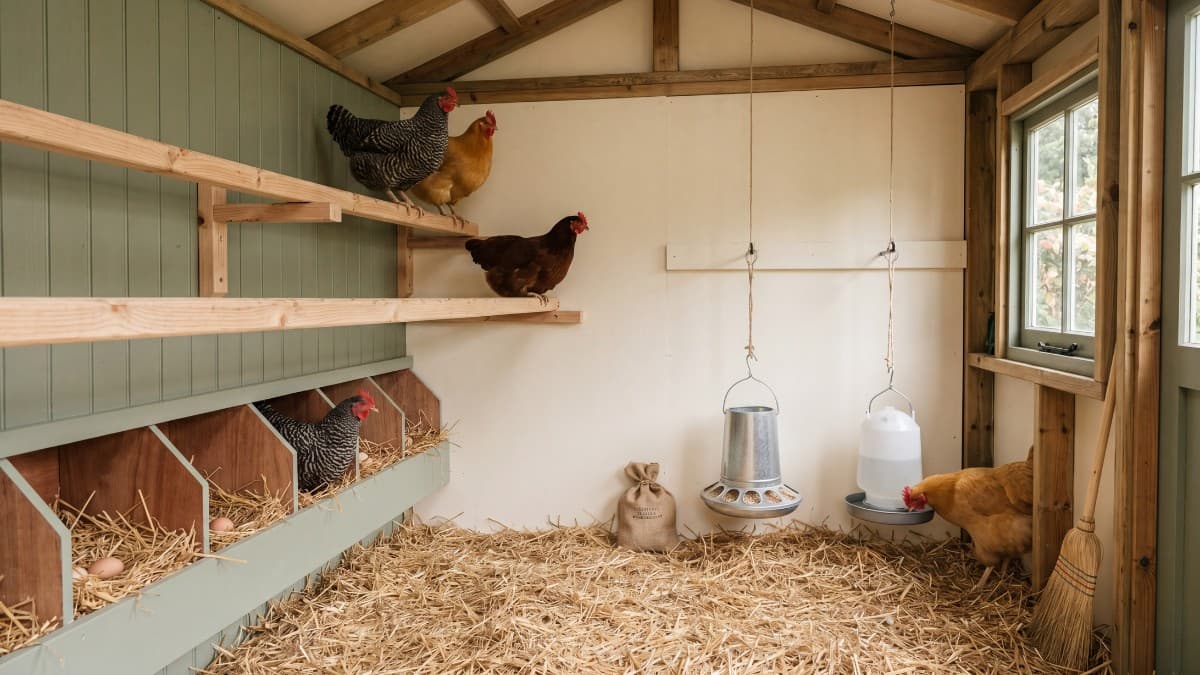
When to wash backyard eggs, how to clean them safely, and how to store washed and unwashed eggs so they keep their freshness.
6 min read
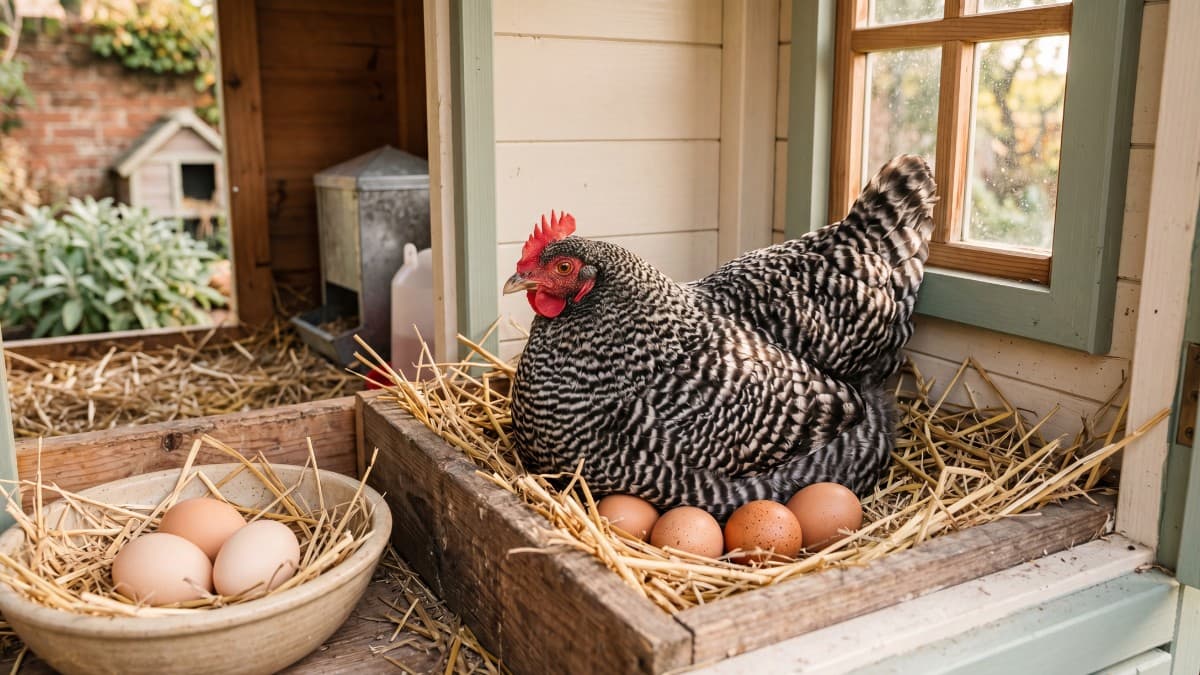
Most hens lay four to six eggs a week at peak, with predictable skips. Here is what shapes the rhythm: breed, age, daylight, molting, and stress.
6 min read
A laying hen needs about 14 hours of daylight to ovulate consistently. Each egg takes roughly 24 to 26 hours to form, which is why hens lay a little later each day, then skip a day, then start again. Calcium, protein, and water are non-negotiable. Stress is the silent production killer.
The guides below cover the questions that come up most often: when pullets start laying, what realistic daily and yearly egg counts look like, how to handle washing and storage, and which breeds are the most productive backyard layers.
Start here
A short reading order for egg laying beginners.
Printable bundle
Want the printable checklists? Get the Chicken Homestead Checklist Bundle with beginner chicken care, coop cleaning, egg collection, feeding, seasonal routines, and flock record sheets.
Keep exploring
Daily routines and seasonal care for a healthy flock.
Explore guides →Pick the right birds for eggs, temperament, and climate.
Explore guides →Plans, predator-proofing, and ideas for a safe coop.
Explore guides →Spot problems early and keep your flock thriving.
Explore guides →