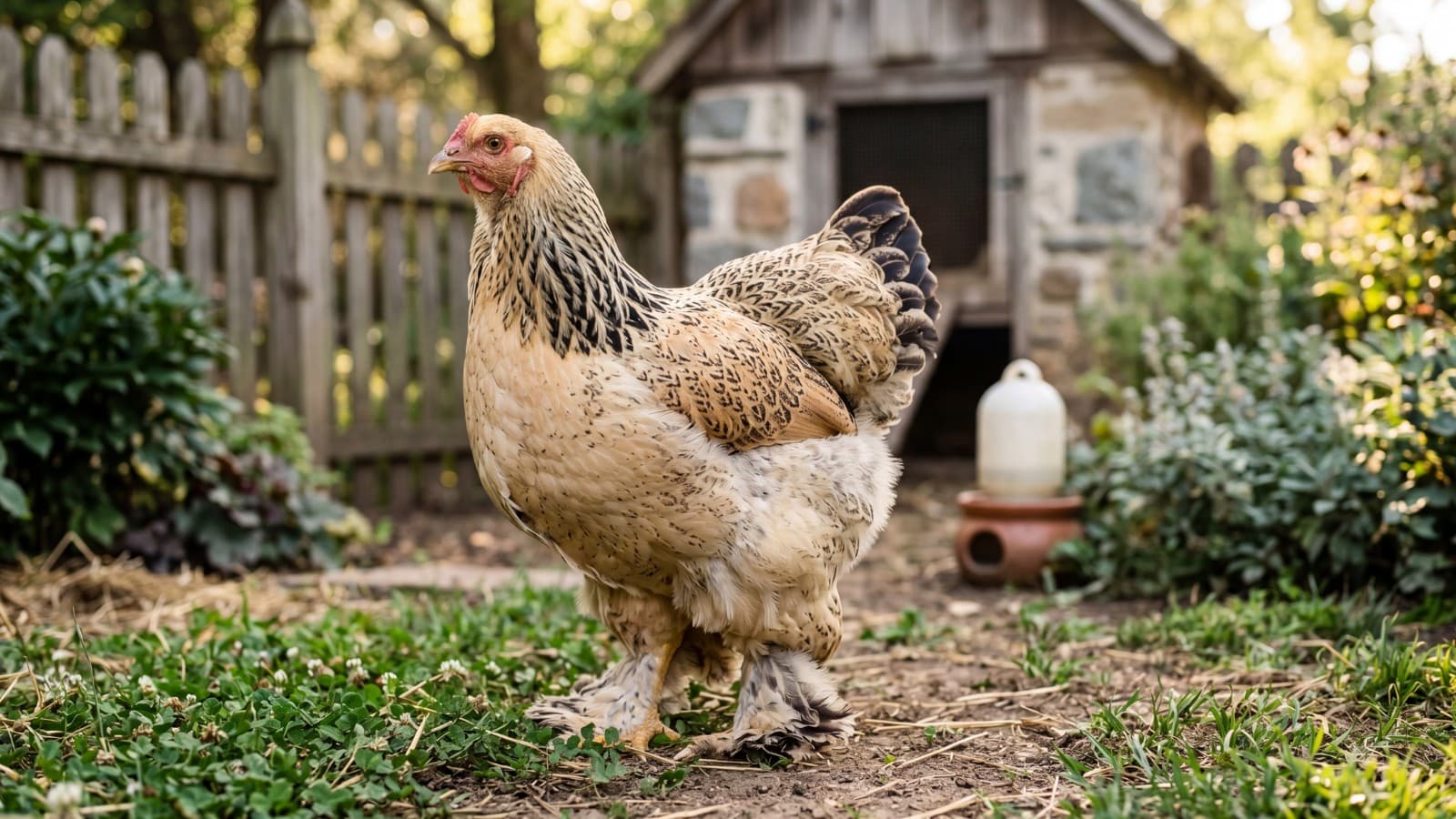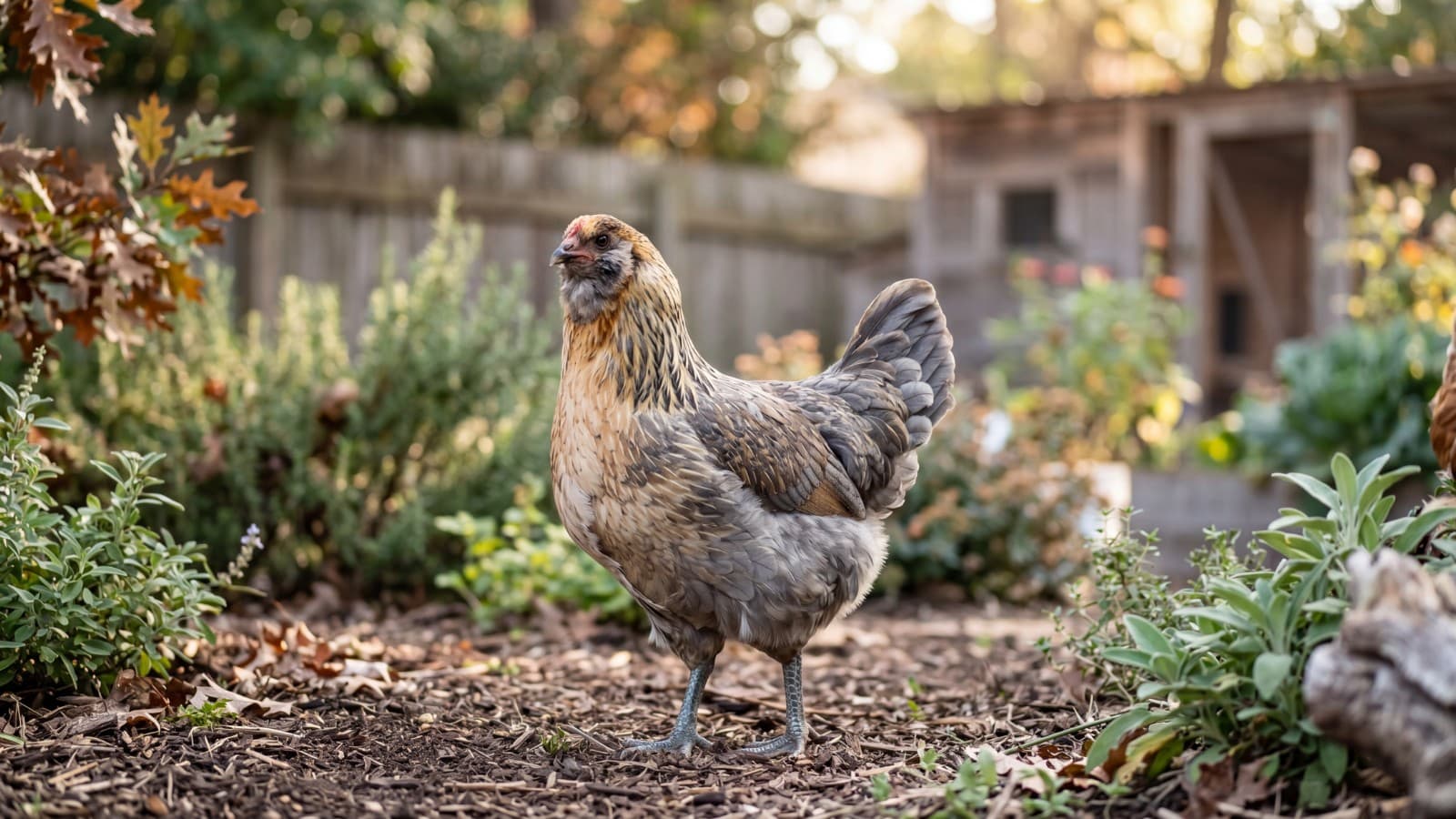
Small chicken breeds, including true bantams and miniature standards, are a fantastic choice for modern backyard keepers. They offer all the joy, personality, and utility of standard-sized chickens but require half the space and feed. Their small scale makes them incredibly easy to handle, making them a favorite for families with children. In this guide, we explore the best small chicken breeds, their unique housing requirements, and what to expect from their egg production.
Having smaller birds also allows you to enjoy a highly diverse flock in a compact yard. Bantams consume far less feed, helping keep your weekly budget low. Let's look at the best small breeds for your backyard setup.
What counts as a small breed
A small chicken breed generally refers to any bird weighing under three pounds, including both true bantams and miniature versions of standard breeds. Because of their light weight, many small breeds are agile flyers and have active, energetic personalities. They are highly efficient, consuming far less feed than standard hens while still providing a steady supply of small eggs.
They require smaller coop dimensions and lower roosts, which makes coop construction cheaper and easier. Their small waste output also makes run maintenance and odor control much simpler to manage in suburban environments.
Bantams vs small standard breeds
It is important to understand the difference between true bantams and miniature standards. True bantams are breeds that have no large equivalent; they naturally exist only in a miniature size (such as Sebrights and Japanese Bantams). Miniature standards are bred down from larger breeds (like bantam Brahmas or bantam Leghorns), preserving all the traits of the parent breed in a smaller frame.
This genetic distinction affects their hardiness and behavior. Miniature standards often inherit the robust, cold-hardy traits of their large parents, while true bantams are sometimes more sensitive to extreme weather and require extra protection.
Silkie
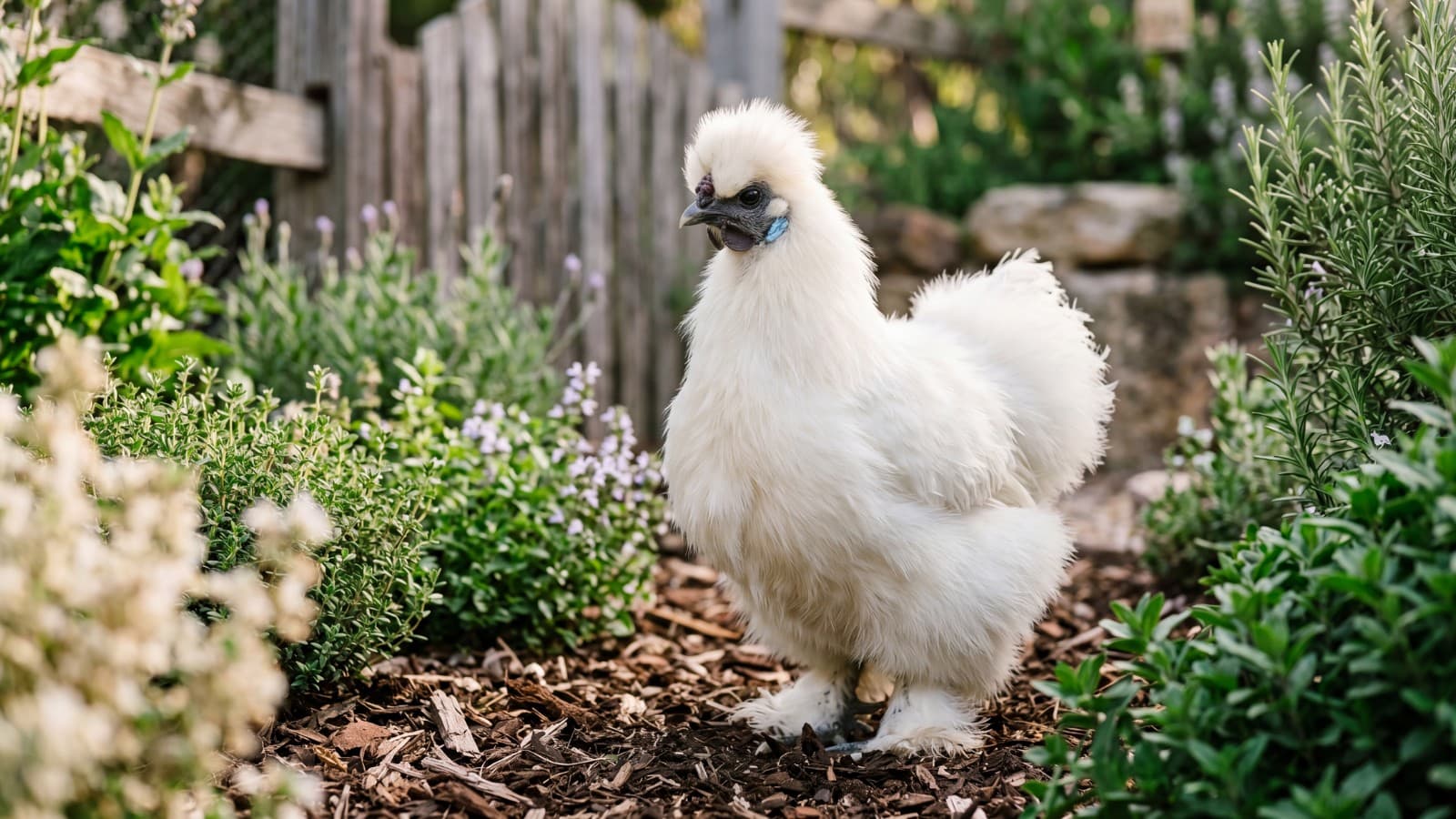
Silkies are the most popular small breed, weighing about two pounds and featuring fluffy, fur-like plumage. They are incredibly docile, quiet, and friendly, making them ideal pets for children. Silkies are poor layers but are world-famous for their broody nature, often sitting on nests to hatch chicks for their keepers.
Their feathers lack the hooks of standard plumage, making them feel like soft down. They have turquoise earlobes, black skin, and five toes. They require a fully covered run because their feathers are not waterproof.
Sebright
Sebrights are a true bantam breed famous for their striking silver or golden feathers, each neatly outlined in black lacing. They are lightweight, active, and highly alert birds with an upright carriage. Sebrights are excellent flyers and have a bold personality, laying a modest number of small white eggs.
They have a rose comb and clean legs. Because they are so light, they can fly over low fences easily. Their striking lacing pattern makes them one of the most popular show breeds in poultry exhibitions.
Dutch Bantam
Dutch Bantams are one of the smallest true bantam breeds, with hens weighing just 18 ounces. They are elegant, active birds with single combs and large white earlobes. Dutch Bantams are friendly, easy to tame, and are surprisingly good layers of small white eggs for their tiny size. They require secure covered runs.
They have a very classic, streamlined chicken shape and are highly active. Their tiny size means they eat very little feed, making them highly efficient. They are gentle and make charming pets for small yards.
Japanese Bantam
Japanese Bantams are an ancient ornamental breed featuring very short legs and a large, fan-like tail that sits higher than their head. They have a very comical waddle and are quiet, docile birds. They are kept primarily for exhibition and make charming garden pets, laying small cream-colored eggs.
Their short legs are a genetic trait that must be managed carefully in breeding. They handle confinement well and prefer flat, clean surfaces. Their unique shape makes them visually striking companions.
Old English Game Bantam
Old English Game Bantams are hardy, active, and feisty little birds with a classic wild chicken look. They are very sturdy, excellent foragers, and can fly well. The hens are protective mothers and decent layers of small tinted eggs. They have a bold, independent temperament and tolerate cold weather well.
They are one of the oldest breeds in existence. Their wild heritage makes them highly alert and excellent at evading predators. They have tight, glossy feathers that provide good insulation in cold winters.
Leghorn (small standard)
Bantam Leghorns are miniature versions of the famous egg-laying breed. They weigh about 24 ounces but inherit the incredible egg-laying efficiency of their standard parents. Bantam Leghorns lay a surprising number of relatively large white eggs for their small body size, making them the most productive small egg breed.
They are active, alert, and can be flighty. Because they lay so heavily, they require consistent access to quality feed and extra calcium. They are ideal for urban keepers who want maximum eggs from a tiny space.
Hamburg
Bantam Hamburgs are striking birds with silver-spangled or gold-spangled feather patterns and rose combs. They are active, energetic, and highly athletic chickens that love to forage. Hamburgs are excellent flyers and prefer open spaces, laying a steady supply of small white eggs throughout the year.
Their spangled plumage features clean, round spots at the tip of each feather. They are highly active and need plenty of run space to exercise. They have a very bold and self-sufficient personality.
Space and coop needs
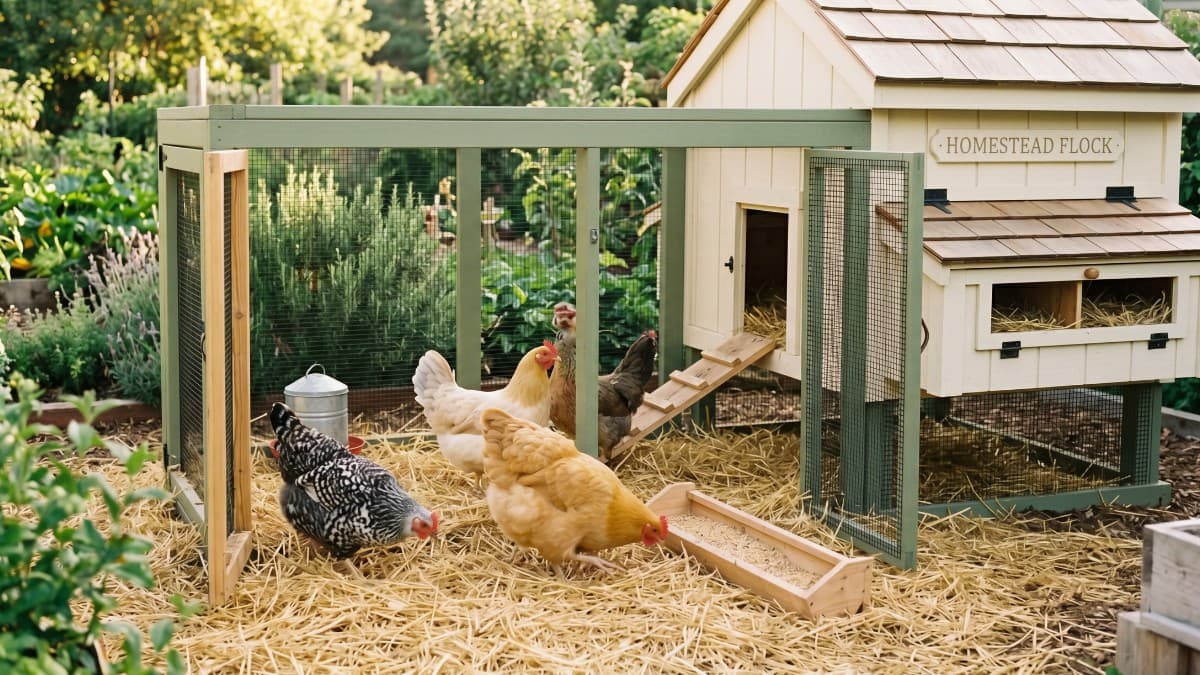
Because of their small size, small breeds require significantly less coop and run space. While standard hens need 4 square feet of coop space and 10 square feet of run space, bantams thrive with just 2 square feet of coop space and 5 square feet of run space. This makes them perfect for small urban gardens and suburban yards.
Keep their perches low (12 inches or lower) or provide ramps so they can access roosts safely without wing strain. Nesting boxes can also be smaller, measuring about 10x10 inches.
Eggs from small breeds
Small breeds lay small, bite-sized eggs that are typically cream, white, or tinted. A bantam egg is about half the size of a standard egg, meaning you will need to use two bantam eggs to replace one standard egg in recipes. Despite their size, they have a high yolk-to-white ratio, making them rich and delicious.
They are highly nutritious and look beautiful in egg cartons. Because bantam hens are smaller, egg-laying takes less physical toll on their bodies, allowing them to lay consistently over more years than standard hybrids.
Are small breeds good for beginners?
Small breeds are best for urban homesteaders with limited yard space, families wanting gentle pets for young children, and collectors of ornamental poultry. Their low feed costs, small space needs, and charming personalities make them highly rewarding to raise.
They are highly compatible with backyard gardening, as they do not dig up flower beds as aggressively as large standard hens. Their quiet clucking makes them good neighbors in close-knit communities.
Frequently Asked Questions
Quick, practical answers to common questions about feeding this to chickens.
About the Author

Amy Schmelter is a lifelong chicken keeper raising a large flock in Florida and the author of the upcoming book What I Wish I Knew Before Getting Chickens. She started Chicken Homestead to share what actually works.
Disclosure
Some links on Chicken Homestead may be affiliate links. We only recommend products we’d use ourselves. See our affiliate disclosure for details.