For many homesteaders, the primary goal of keeping chickens is to establish a steady, reliable supply of fresh backyard eggs. While all hens lay eggs, there is a massive difference in production between specialized laying breeds and ornamental varieties. Choosing the right egg-laying breed can mean the difference between getting 100 eggs a year or over 300. This guide reviews the top egg-producing chicken breeds, compares their yields, and explains how to support their heavy production demands.
Supporting these hard-working layers requires high-quality nutrition and proper coop management. Laying almost daily drains their body reserves of protein and calcium, making feed choice critical. Let's look at the most productive egg-laying breeds available.
What makes a great egg breed
When selecting breeds for maximum egg production, you must evaluate three factors: annual egg count, feed conversion efficiency, and laying longevity. High-producing breeds typically have active, alert temperaments and light body frames, which allow them to convert feed into eggs rather than body fat. You should also consider comb type, as breeds with small rose combs are better suited for winter laying in cold climates than single-comb breeds.
Feed conversion efficiency is key; a lighter hen that eats less feed but still lays large eggs is much cheaper to keep over the year. You should also look at laying longevity, as some heritage breeds will lay consistently for four or five years, while hybrid layers drop off after two years.
Leghorn
White Leghorns are the undisputed queens of egg laying, producing roughly 280 to 320 large white eggs per year. They are light, active, and highly flighty birds that excel at foraging but require high fencing to contain. Leghorns are exceptionally feed-efficient, consuming far less feed than heavy heritage breeds while producing larger volumes of eggs. They are ideal for keepers focused purely on maximum white egg yields.
They have a large, single comb that flops to one side, yellow shanks, and white earlobes. Because they are light-bodied and active, they do not go broody often, keeping their energy focused entirely on laying. Their flighty temperament means they require careful handling.
Rhode Island Red
Rhode Island Reds are the powerhouse of brown egg production, delivering 250 to 300 large brown eggs annually. These sturdy, heritage birds are highly energetic and robust, showing great adaptability to cold and hot climates alike. They are self-sufficient foragers that lay reliably through the winter. They have a dominant personality, making them best suited for flocks of similar active, tough breeds.
Their deep mahogany plumage is highly attractive. They mature quickly, starting to lay around 18 to 20 weeks. Their robustness makes them exceptionally long-lived, and they will continue to lay a solid volume of eggs for several years under good flock care.
Australorp
Black Australorps are legendary layers from Australia, known for their calm behavior and beautiful iridescent black feathers. They can lay 250 to 300 large, light brown eggs per year. Unlike Leghorns, Australorps are incredibly quiet, docile, and friendly, making them a dual-purpose breed that fits perfectly into family yards. They are dependable, steady layers that rarely suffer from stress-induced laying stops.
In the sunlight, their feathers display a brilliant beetle-green sheen. They are highly cold-hardy, adapting well to freezing temperatures, and handle confinement with ease. Their gentle nature makes them a favorite for backyard keepers.
Plymouth Rock
Plymouth Rocks, particularly the Barred Rock variety, are popular backyard dual-purpose birds that lay up to 280 large brown eggs per year. They have a friendly, easygoing nature and are very consistent layers. Barred Rocks are long-lived and maintain solid egg production for more years than typical high-production hybrids, making them a highly sustainable choice for long-term backyard keepers.
They are highly curious, active, and have striking black-and-white striped plumage. They get along well with other peaceful breeds and are robust enough to withstand freezing northern winters without needing supplemental heat in the coop.
Sex Links and ISA Browns
Sex-Link hybrids (such as ISA Browns, Golden Comets, and Black Stars) are modern crossbreeds engineered specifically for extreme egg production. They lay around 300 large, uniform brown eggs in their first year. They are docile, sweet, and quiet birds. However, because their bodies work so hard, their egg production drops off sharply after two years, and they are more prone to reproductive issues as they age.
They are created by crossing specific breeds so that male and female chicks are different colors at hatching. They are highly efficient converters of feed to eggs, but their shorter productive lifespan means you must plan to cycle in new layers regularly.
Easter Egger
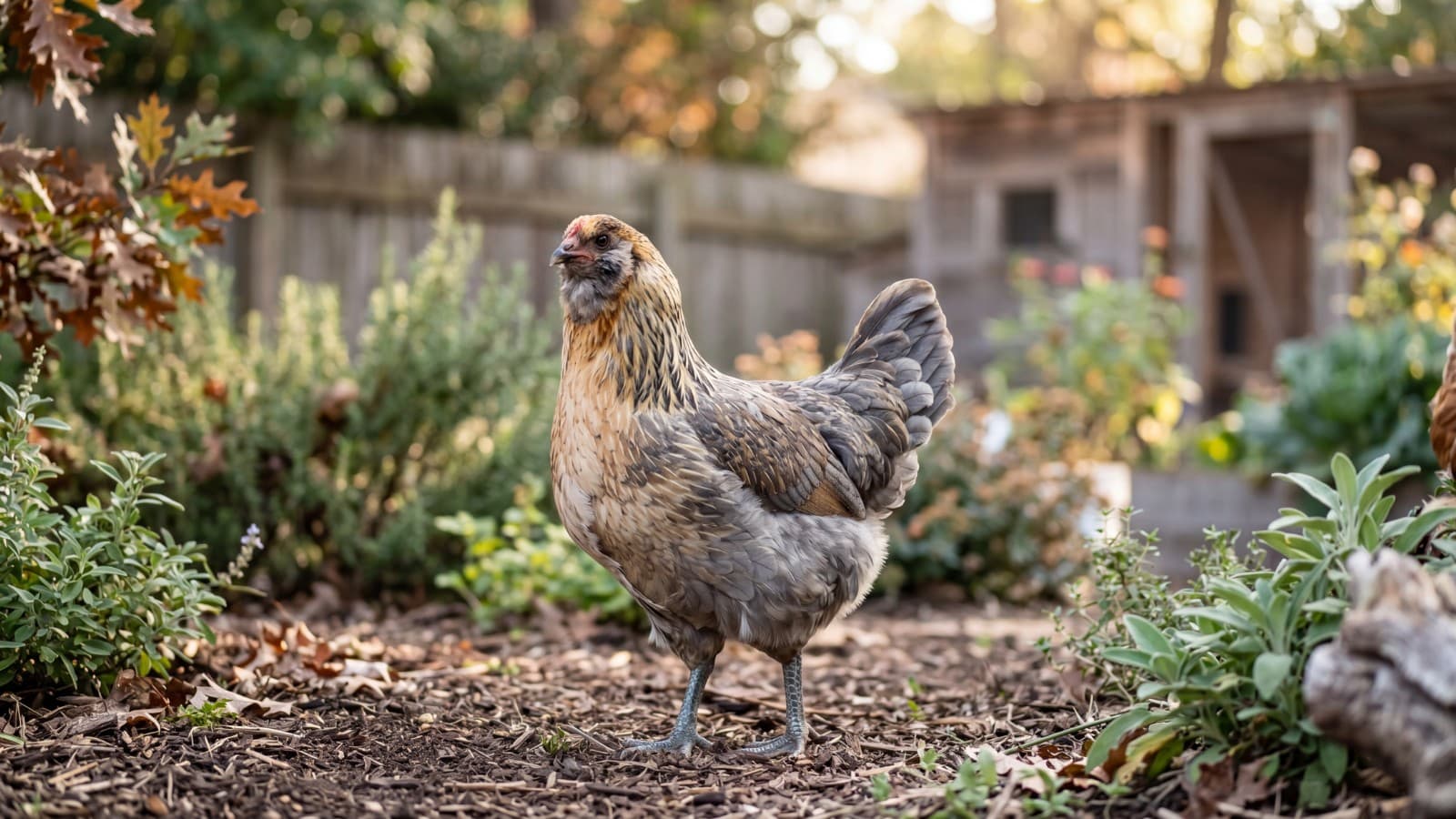
Easter Eggers add color to your egg basket by laying 200 to 240 medium-to-large eggs in shades of blue, green, and occasionally cream. They are friendly, active, and highly hardy hybrids. While they do not lay at the rapid rate of Leghorns or Sex-Links, their reliable output and the novelty of colored eggs make them a highly popular choice for backyard mixed flocks.
They are hybrid birds that carry the blue-egg gene. They are quiet, calm, and adapt well to both confinement and free-ranging. Their colorful eggs make them a major point of interest for families and backyard hobbyists.
Wyandotte
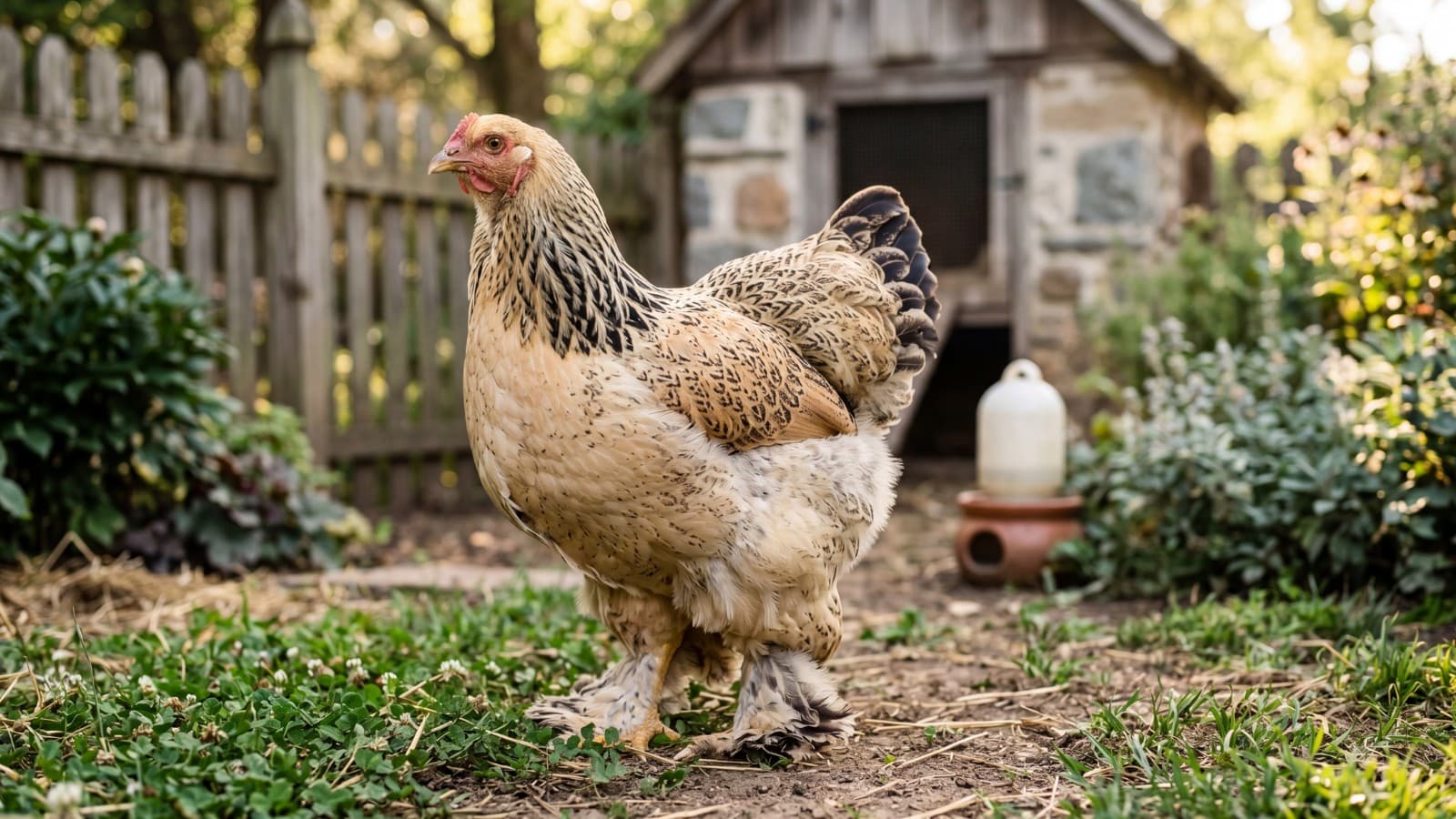
Wyandottes are robust, dual-purpose birds that lay about 200 large brown eggs per year. Thanks to their thick feathering and frostbite-resistant rose combs, they are excellent winter layers that will continue to produce when single-comb breeds stop. They have an independent temperament and are highly reliable, low-maintenance layers that do well in cold climates.
They have a beautiful, round shape and come in several laced color varieties. Their independent nature means they are self-sufficient and spend hours foraging. They occupy a confident spot in the pecking order and require low perches.
Buff Orpington
Buff Orpingtons are gentle, heavy birds that lay a steady 180 to 220 large brown eggs per year. While they lay fewer eggs than Leghorns, they are highly valued for their sweet temperament and winter laying consistency. Orpingtons are prone to broodiness, which will pause their laying, but they are excellent choice for keepers who value friendliness alongside egg production.
They have exceptionally fluffy feathers that insulate them from winter cold. Their friendly behavior makes them easy to manage, and they are highly trusted around children, often sitting in laps to receive treats in the yard.
Quick comparison
- White Leghorn: ~300 white eggs/year. Active, high feed efficiency, flighty.
- Rhode Island Red: ~280 brown eggs/year. Hardy, active, dominant temperament.
- Black Australorp: ~270 brown eggs/year. Docile, quiet, excellent for families.
- ISA Brown / Sex-Link: ~300 brown eggs/year. Very friendly, short productive lifespan.
- Barred Plymouth Rock: ~260 brown eggs/year. Long-lived, steady layer, hardy.
How to pick the right egg breeds
To support high-producing egg layers, you must feed a complete layer ration containing 16% protein and 3.5% to 4.5% calcium. Heavy layers pull calcium directly from their bones to form eggshells, so providing free-choice crushed oyster shell is vital to prevent soft-shelled eggs and bone depletion. Choose a mix of hybrids for immediate high yield and heritage breeds for long-term laying longevity.
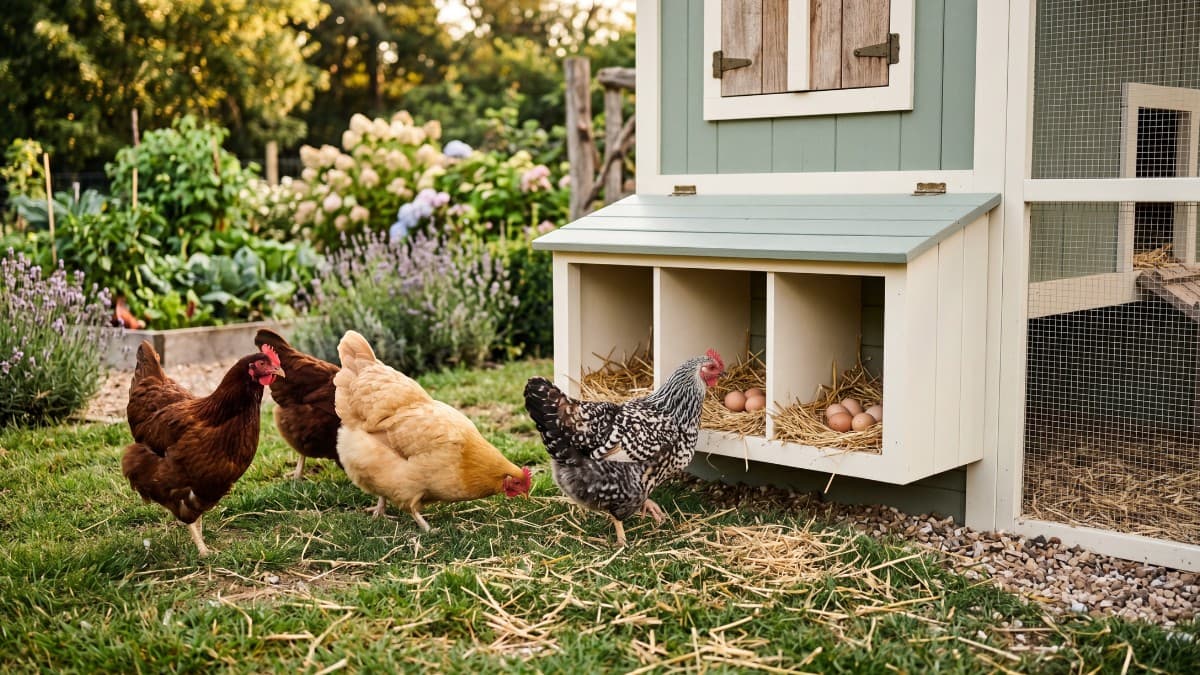
Make sure to provide multiple nesting boxes (one for every 4 hens) in a quiet, dark corner of the coop. Keep their water clean and fresh, as laying hens require significant water daily to produce eggs consistently without stress.
Frequently Asked Questions
Quick, practical answers to common questions about feeding this to chickens.
About the Author

Amy Schmelter is a lifelong chicken keeper raising a large flock in Florida and the author of the upcoming book What I Wish I Knew Before Getting Chickens. She started Chicken Homestead to share what actually works.
Disclosure
Some links on Chicken Homestead may be affiliate links. We only recommend products we’d use ourselves. See our affiliate disclosure for details.