The Leghorn is one of the most prolific and influential heritage chicken breeds in the world. Originating in Tuscany, Italy, and imported to North America in the mid-19th century, Leghorns were bred for maximum egg production and feed efficiency. Today, they are the backbone of the commercial white egg industry, but they are also highly popular in backyard flocks. They are celebrated for their sleek build, active foraging habits, and their ability to lay massive quantities of large, pristine white eggs.
While they are incredibly productive, Leghorns are not typical 'pet' chickens. They are highly energetic, alert, and independent birds that prefer foraging to human handling. They have high heat tolerance and excellent predator awareness, but their large single combs require protection during freezing winters. This profile covers their physical characteristics, egg laying, temperament, and care requirements to help you decide if Leghorns are the right fit for your flock.
Leghorn at a glance
- Class: Mediterranean (APA heritage)
- Hen weight: 4.5 to 5 pounds
- Rooster weight: 6 to 6.5 pounds
- Egg color: White
- Eggs per year: 280 to 320
- Egg size: Large
- Winter laying: Excellent
- Cold hardy: Average (comb frostbite risk)
- Heat tolerance: Excellent
- Broodiness: Rare
- Lifespan: 5 to 7 years
Appearance and size
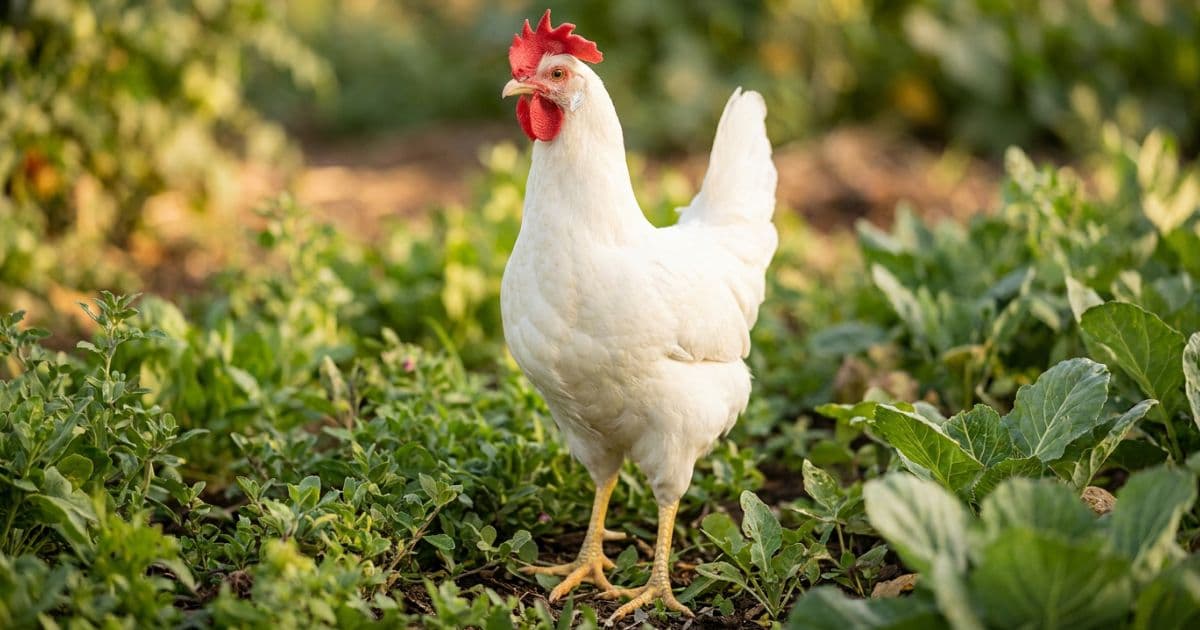
Leghorns have a sleek, lightweight, and athletic build that reflects their high-efficiency laying drive. Their plumage is tight and smooth, which protects them from wind and allows heat to escape easily in summer. While the white Leghorn is the most famous variety, they are recognized in several other colors, including brown, buff, silver, black, and red. They have clean, unfeathered yellow shanks and feet, and distinctive white earlobes, which is a classic indicator of a white-egg layer.
Their most prominent feature is their large, single red comb. In hens, this comb often flops over to one side, while in roosters, it stands tall and upright. They also have large, rounded red wattles. While this large comb helps them dissipate heat in summer, it makes them highly susceptible to frostbite in freezing winter climates. Rose-comb Leghorn varieties also exist and offer better frostbite resistance. Standard Leghorn hens weigh around 4.5 to 5 pounds, while roosters grow to 6 to 6.5 pounds, making them significantly lighter than heavy dual-purpose breeds.
Temperament
Leghorn chickens have a highly active and independent temperament. They are busy, energetic birds that spend their days foraging, scratching, and searching for insects. They have excellent situational awareness and are highly alert, making them quick to run or fly if they sense a threat. This makes them much more successful at avoiding predators than heavier, more docile breeds. However, their active nature also means they are flighty and skittish.
They generally avoid human handling and do not make good lap pets. They are easily startled and can fly over high fences if not contained in a covered run. In a mixed flock, they are confident and active, often sitting in the middle of the pecking order. They are also relatively loud layers, often cackling loudly before and after laying. Their high energy levels mean they require plenty of space and enrichment to prevent feather pecking or stress. To see how their behavior compares to other breeds, see our guide on friendliest chicken breeds.
Egg laying
If white eggs and high volume are your goals, the Leghorn is the ultimate choice. They produce between 280 and 320 large white eggs per year, which equates to 5 to 6 eggs per week per hen. They begin laying earlier than most heritage breeds, often starting between 18 and 20 weeks of age. Unlike many heritage breeds, their intense laying drive continues through the winter months, provided they receive adequate nutrition.
Because they lay so heavily, they require a high-quality layer feed containing 16% to 18% protein, and always offer free-choice oyster shell in a separate cup. The high demand for calcium to build eggshells can quickly deplete a hen's bodily reserves, leading to soft-shelled eggs or bone weakness if not supplemented. They rarely go broody, keeping their focus entirely on daily egg production. For a comprehensive look at how they stack up against other top layers, read our guide on best chicken breeds for eggs.
Climate hardiness
Leghorns have excellent heat tolerance. Their lightweight build, tight feathering, and large combs help them dissipate body heat efficiently, making them a top choice for hot, humid climates. However, they still require access to shaded areas and fresh, cool water throughout the day during summer heatwaves.
In cold climates, Leghorns require careful management. While their bodies are hardy, their large single combs and wattles are highly susceptible to frostbite. Keepers in cold climates must ensure the coop has excellent ventilation to keep humidity low, which is the key to preventing frostbite. Applying a protective barrier like petroleum jelly to their combs can also help. Alternatively, rose-combed Leghorn varieties offer better frostbite resistance.
Coop and care needs
- High roost bars. Leghorns are excellent flyers and prefer to roost high up. Provide roost bars at a standard height of 3 to 4 feet. See what should be inside a chicken coop.
- Standard nest boxes. Standard 12x12 inch nest boxes work perfectly. Provide one nest box for every 3 to 4 hens in the flock.
- Fencing. Because they are light and can fly exceptionally well, ensure your run fence is at least 6 feet tall, or use a covered run to keep them contained. Read our chicken coops guides.
- Space requirements. Allocate at least 4 square feet inside the coop and 10 to 12 square feet of run space per bird. Active birds need room to move comfortably.
Pros and cons
Pros: Exceptional egg production (280-320 per year), highly efficient feed conversion rate, excellent heat tolerance, active and alert with good predator awareness.
Cons: Flighty and skittish temperament (not good lap pets), single comb is highly susceptible to frostbite in winter, can fly over short fences, relatively loud.
Who Leghorns are best for
- Keepers who want a high-volume supply of large white eggs.
- Hot, humid climates where heavy breeds struggle with heat stress.
- Spacious backyard setups or free-range environments where alert birds are needed.
- Experienced keepers who do not require highly interactive, cuddly pet chickens. See best chickens for beginners.
Frequently Asked Questions
Quick, practical answers to common questions about feeding this to chickens.
About the Author

Amy Schmelter is a lifelong chicken keeper raising a large flock in Florida and the author of the upcoming book What I Wish I Knew Before Getting Chickens. She started Chicken Homestead to share what actually works.
Disclosure
Some links on Chicken Homestead may be affiliate links. We only recommend products we’d use ourselves. See our affiliate disclosure for details.