The Orpington is one of the most popular and beloved heritage chicken breeds in the world, and the Lavender Orpington is one of its most striking varieties. Developed in the United Kingdom in the late 19th century by William Cook, Orpingtons were bred as dual-purpose utility birds, prized for both their meat quality and their steady egg production. Today, they are a favorite among backyard chicken keepers, celebrated not only for their utility but also for their stunning, fluffy feathering and their remarkably sweet, dog-like personalities. The Lavender variety, with its soft grey-blue color, is highly sought after.
Lavender Orpingtons are robust, adaptable, and long-lived, often outlasting modern hybrid layers by several years. Their calm demeanor and beautiful appearance make them an excellent addition to any flock. This profile covers their physical characteristics, egg laying, temperament, and care requirements to help you set them up for success in your backyard.
Lavender Orpington at a glance
- Class: English (APA heritage)
- Hen weight: 7 to 8 pounds
- Rooster weight: 9 to 10 pounds
- Egg color: Light brown
- Eggs per year: 180 to 220
- Egg size: Medium to large
- Winter laying: Average
- Cold hardy: Excellent
- Heat tolerance: Below average
- Broodiness: High
- Lifespan: 8 to 10 years
Appearance and size
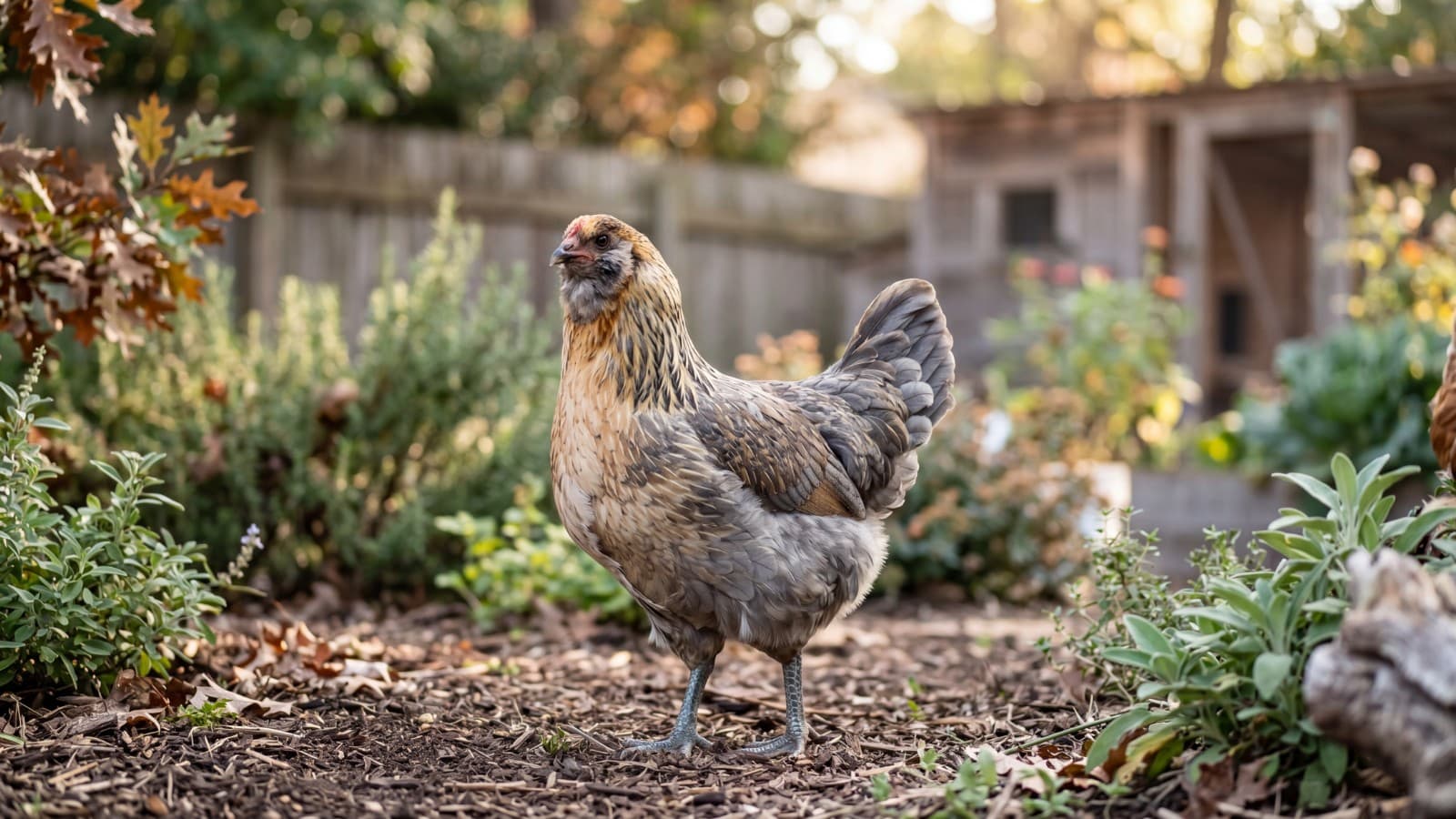
The appearance of the Lavender Orpington is defined by its soft, fluffy, and rounded silhouette. They have a heavy, broad body shape with a deep, chest and a very full cushion of feathers over their backs and tails, giving them a distinct spherical appearance. Their plumage is a soft, lavender-grey color throughout, which is caused by a diluting gene acting on black pigment. This genetic trait breeds true, meaning crossing two Lavender Orpingtons will result in 100% lavender offspring.
They have clean, unfeathered slate-blue legs and feet, and white skin. Their comb is a single, medium-sized comb, which is bright red along with their wattles and earlobes. They have clean legs, which keeps them free of mud-caking issues. Standard Lavender Orpington hens are quite substantial, weighing around 7 to 8 pounds, while roosters grow to 9 to 10 pounds. This heavy build helps them retain body heat in cold weather, though it means they require a sturdy roost bar close to the ground.
Temperament
Lavender Orpingtons are famous for their docile and curious personalities. They are active, busy birds that love to forage and scratch through compost piles, but they are also exceptionally gentle and love human company. They will often follow their keepers around the garden like feathered shadows, muttering quietly to themselves and inspecting whatever you are doing. They are very easy to catch, hold, and carry, making them one of the best choices for families with children or keepers wanting true pets.
In a mixed flock, their gentle nature makes them peaceful companions, and they rarely participate in pecking order drama. However, their docility also means they are vulnerable to bullying if housed with assertive, dominant breeds like Rhode Island Reds. To ensure their well-being, it is best to keep them with other calm, friendly breeds. Their quiet chatter and friendly nature make them highly suitable for suburban setups. To compare their temperament with other friendly choices, see our guide on friendliest chicken breeds.
Egg laying
As layers, Lavender Orpington hens are highly reliable. They produce between 180 and 220 medium to large eggs per year, which translates to 3 to 4 eggs per week. The egg color ranges from a delicate cream to a light, warm brown. They are excellent cold-weather layers, often continuing to lay through the early winter months when other breeds go on strike. They generally start laying around 20 to 24 weeks of age, maturing slightly faster than other heavy heritage breeds.
Because they are a dual-purpose heritage breed, they have a natural laying cycle that includes going broody. Orpington hens make wonderful, patient mothers and will raise chicks attentively. However, during these broody phases, their egg production will pause, which should be expected by keepers. For a detailed breakdown of how their egg production compares with other top layers, read our guide on best chicken breeds for eggs.
Climate hardiness
The Lavender Orpington is exceptionally cold-hardy. Their heavy body mass and dense feathering provide excellent insulation against freezing winter temperatures. They are robust birds that handle cold, wet climates very well, though keepers must still ensure that the coop remains dry and draft-free to prevent respiratory issues or frostbite. Their clean legs are also an advantage in wet climates, as they do not collect mud or ice.
In hot weather, their heavy feathers can trap heat, so they require extra care during summer heatwaves. Ensure that they have access to deep shade all day long, multiple water sources filled with cool, clean water, and a shaded dust bath area where they can cool their bodies. Providing frozen treats can also help them manage high temperatures.
Coop and care needs
- Lower roost bars. Because they are heavy birds, set roost bars lower (around 18 to 24 inches) to prevent foot or leg injuries when they jump down. See what should be inside a chicken coop.
- Standard nest boxes. Standard 12x12 inch nest boxes work perfectly. Provide one nest box for every 3 to 4 hens in the flock.
- Space requirements. Allocate at least 4 to 5 square feet inside the coop and 10 to 12 square feet of run space per bird. They are large birds and need room to move comfortably.
- Dry footing. Ensure the run is well-drained, as their clean legs are easy to maintain but muddy conditions can lead to foot sores. For coop layout and design tips, read our chicken coops guides.
Pros and cons
Pros: Exceptionally friendly and affectionate temperament, beautiful fluffy lavender plumage, very cold-hardy and robust, reliable egg production.
Cons: Docile nature makes them vulnerable to bullying by aggressive breeds, heavy body means they require low roosts, prone to broodiness which pauses egg production.
Who Lavender Orpingtons are best for
- Families with young children who want highly interactive and gentle pets.
- Beginner keepers looking for a hardy, friendly, and low-stress dual-purpose breed. See best chickens for beginners.
- Cold climates where winter-hardy layers are required.
- Keepers who want a natural mother to hatch and raise new flock members.
Frequently Asked Questions
Quick, practical answers to common questions about feeding this to chickens.
About the Author

Amy Schmelter is a lifelong chicken keeper raising a large flock in Florida and the author of the upcoming book What I Wish I Knew Before Getting Chickens. She started Chicken Homestead to share what actually works.
Disclosure
Some links on Chicken Homestead may be affiliate links. We only recommend products we’d use ourselves. See our affiliate disclosure for details.