The Golden Comet (also known as the Red Star or Golden Buff) is one of the most successful production hybrid chickens in the backyard poultry world. Developed specifically for high-efficiency egg laying, they are a sex-linked crossbreed, typically created by breeding a New Hampshire Red rooster with a White Plymouth Rock hen. This cross yields outstanding hybrid vigor, resulting in rapid growth, early maturity, and incredible egg-laying capacity. They are widely recognized for their light, golden-buff plumage and their exceptionally friendly, outgoing personalities.
Unlike heritage breeds that prioritize slow growth and seasonal laying, Golden Comets are engineered for high-intensity production. Despite this focus, they are remarkably sweet-natured and lack the flighty or skittish behavior of other commercial layers. They are a favorite among backyard keepers who want a small, easy-to-manage flock that produces a steady supply of eggs. This profile covers their physical characteristics, egg laying, temperament, and care needs to help you manage this high-performing hybrid.
Golden Comet at a glance
- Class: Hybrid (production sex-link)
- Hen weight: 4.5 to 5.5 pounds
- Rooster weight: 6 to 7 pounds
- Egg color: Rich brown
- Eggs per year: 280 to 320
- Egg size: Large to extra-large
- Winter laying: Excellent
- Cold hardy: Very good
- Heat tolerance: Good
- Broodiness: Rare
- Lifespan: 3 to 5 years
Appearance and size
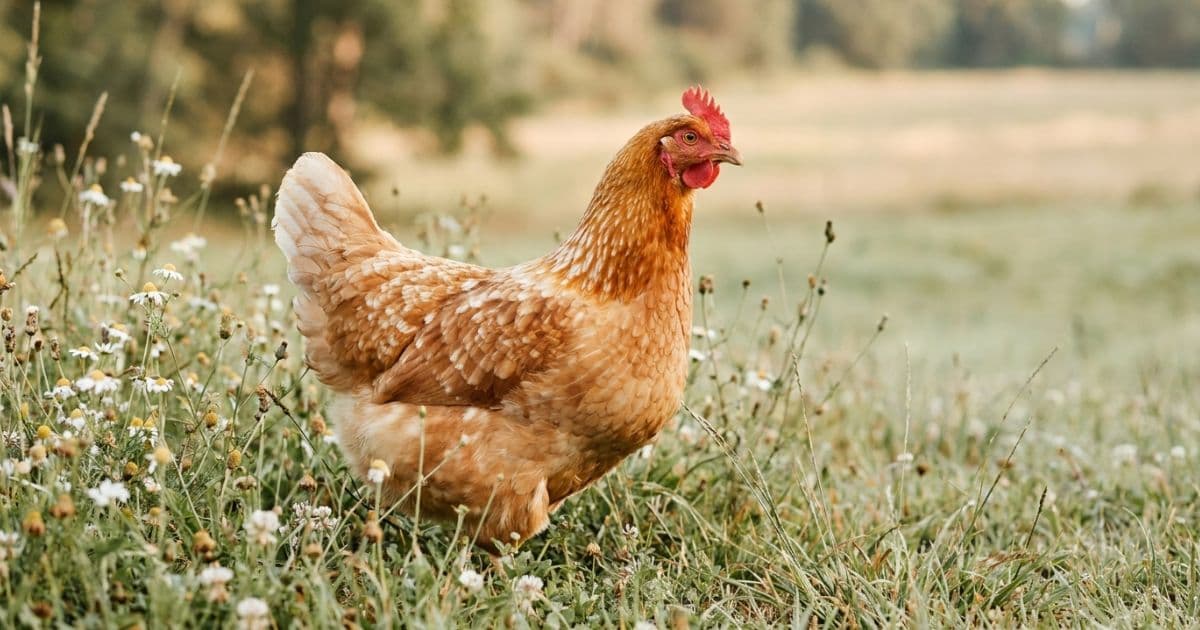
Golden Comets have a lightweight, sleek body shape that reflects their high-efficiency laying drive. Their plumage is a beautiful, light golden-red or buff color, which is significantly lighter and more golden than the deep mahogany-red of a Rhode Island Red. Hens are mostly golden-red with white feathers mixed into their tails and wingtips, giving them a frosted or laced look. Roosters are mostly white with golden-red hackle and saddle feathers. This color difference is visible immediately at hatch, allowing hatcheries to sort chicks by sex with 100% accuracy.
They have clean, unfeathered yellow legs and skin, and a medium-sized single red comb. Their comb and wattles are bright red, and while they handle cold weather well, their single combs can be vulnerable to frostbite in extreme sub-zero conditions if humidity levels in the coop are high. Hens are relatively compact, weighing between 4.5 and 5.5 pounds, while roosters grow to about 6 to 7 pounds. This lighter build helps them consume less feed per egg laid, making them highly economical to keep.
Temperament
Golden Comet chickens are celebrated for their highly engaging and personable temperament. They are extremely curious, alert, and active birds that love to forage and explore. When you walk into the run, they are usually the first to jump up onto a perch or follow you closely, hoping for scratch or treats. They are very docile and handle easily, often allowing themselves to be held and carried, making them excellent pets for children.
In a mixed flock, Golden Comets are confident and active. They rarely initiate bullying, but they are bold enough to hold their own. They are excellent foragers and will spend all day scratching for bugs and weeds, but they also tolerate confinement well if their run is spacious and enriched. They are relatively quiet layers, which makes them highly suitable for suburban neighborhoods. Their combination of high productivity, active foraging, and sweet nature is hard to beat. To see how their friendly behavior compares to other popular options, see our guide on friendliest chicken breeds.
Egg laying
The egg-laying capacity of the Golden Comet is outstanding. They are bred specifically to be egg-producing machines, laying between 280 and 320 large to extra-large rich brown eggs per year, which equates to 5 to 6 eggs per week per hen. They begin laying earlier than most heritage breeds, often starting between 16 and 18 weeks of age. Unlike heritage breeds that stop laying in winter, Golden Comets continue laying through the cold winter months, provided they receive adequate nutrition.
To support this intense level of egg production, you must feed them a premium layer feed containing 16% to 18% protein, and always offer free-choice oyster shell in a separate cup. The high demand for calcium to build eggshells can quickly deplete a hen's bodily reserves, leading to soft-shelled eggs or bone weakness if not supplemented. Because they are production-focused, they rarely go broody, meaning they will not waste weeks sitting on empty nests. For a comprehensive look at how they stack up against other top layers, read our guide on best chicken breeds for eggs.
Climate hardiness
Golden Comets are highly adaptable and handle both hot and cold climates very well. Their dense plumage provides good insulation against winter cold, and they are generally considered very cold-hardy. However, because they have a single comb, keepers in northern climates must take standard precautions to prevent frostbite during extreme cold snaps. Keeping the coop dry and well-ventilated is the most critical step, as moisture in the air is the primary cause of frostbite on combs.
In hot weather, Golden Comets perform well compared to heavier, fluffier breeds. They will seek out shade, dust bathe to cool down, and drink plenty of fresh water. Make sure to provide multiple water sources in shaded areas during summer heatwaves, and consider adding electrolytes to their water to prevent heat stress. Their clean legs are also an asset in wet, muddy climates, as they do not trap moisture or dirt like feathered legs do, reducing the risk of leg mites or bacterial infections.
Coop and care needs
- Standard roost bars. Provide 8 to 10 inches of roost space per bird. Set roosts at a standard height of 2 to 3 feet, as they are capable flyers and can easily reach them. See what should be inside a chicken coop.
- Standard nest boxes. Standard 12x12 inch nest boxes work perfectly. Provide one nest box for every 3 to 4 hens in the flock.
- Space requirements. Allocate at least 4 square feet of coop space and 10 square feet of run space per bird. Since they are active foragers, they appreciate as much extra run space as you can provide. Read our chicken coops guides.
- High-calcium feed access. Ensure they have constant access to layer feed and free-choice oyster shell to support their high egg laying rate. See our chicken feed guides.
Pros and cons
Pros: Exceptional egg production (280-320 per year), extremely friendly and docile temperament, fast to mature and start laying, highly adaptable to hot and cold climates, sex-linked at hatch (accurate sexing).
Cons: Shorter productive lifespan due to high laying intensity (often slowing down significantly after 3 years), prone to reproductive tract issues later in life, single combs require frostbite protection in extreme cold.
Who Golden Comets are best for
- Beginner keepers who want a highly productive, low-maintenance breed. See best chickens for beginners.
- Families with children who want friendly, interactive, and easily handled pets.
- Suburban yards where noise must be kept to a minimum and space is limited.
- Keepers who want a steady supply of eggs throughout the winter months.
Frequently Asked Questions
Quick, practical answers to common questions about feeding this to chickens.
About the Author

Amy Schmelter is a lifelong chicken keeper raising a large flock in Florida and the author of the upcoming book What I Wish I Knew Before Getting Chickens. She started Chicken Homestead to share what actually works.
Disclosure
Some links on Chicken Homestead may be affiliate links. We only recommend products we’d use ourselves. See our affiliate disclosure for details.