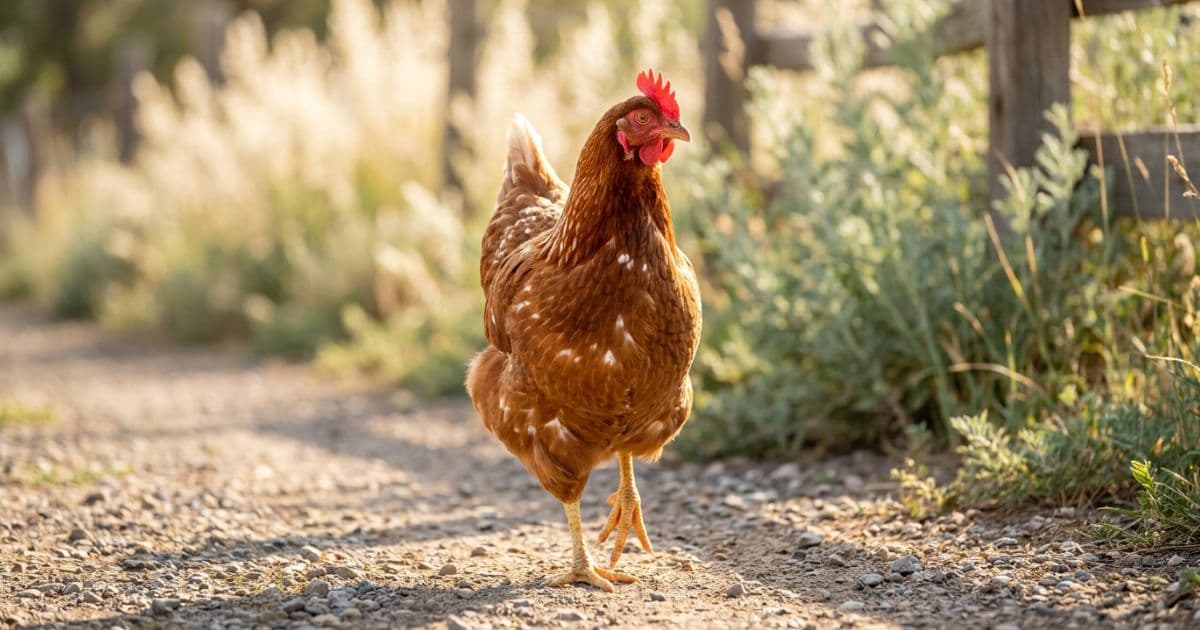
The Cinnamon Queen is a modern production hybrid developed to meet the demand for highly productive, docile backyard layers. They are a sex-linked crossbreed, typically created by breeding a Rhode Island Red rooster with a Rhode Island White hen. This specific cross creates a bird with exceptional hybrid vigor, meaning they grow rapidly, start laying early, and possess robust health during their peak years. They are named for their beautiful, warm cinnamon-brown plumage and have quickly become a staple in backyard runs across North America.
While they are production-focused, Cinnamon Queens are not high-strung like other commercial layers. They are exceptionally sweet and personal, often bonding closely with their keepers. However, because their bodies are engineered for high-intensity laying, they require specific management to support their high metabolic needs. This profile covers their physical traits, laying performance, temperament, and health considerations to help you raise them successfully.
Cinnamon Queen at a glance
- Class: Hybrid (production sex-link)
- Hen weight: 5 to 6 pounds
- Rooster weight: 6.5 to 7.5 pounds
- Egg color: Rich brown
- Eggs per year: 250 to 300+
- Egg size: Large to extra-large
- Winter laying: Excellent
- Cold hardy: Very good
- Heat tolerance: Good
- Broodiness: Rare
- Lifespan: 3 to 5 years
Appearance and size
Cinnamon Queens have a classic, balanced dual-purpose shape with clean legs and a single red comb. Their plumage is a warm, light reddish-brown, resembling the color of cinnamon. Hens are mostly solid cinnamon-brown, but they often have white underfeathers and white streaks in their tail feathers, giving them a soft, textured appearance. Roosters, on the other hand, are mostly white with patches of reddish-brown on their shoulders and back. This sex-linked color distinction allows hatcheries to sort chicks by sex immediately at hatch with 100% accuracy, meaning keepers can buy pullets with confidence.
Their feathers are smooth and close-fitting, providing excellent insulation in winter. They have clean, unfeathered yellow legs and yellow skin, which helps them stay clean in muddy runs. Their combs and wattles are bright red, and while they are cold hardy, their medium-sized single combs should be monitored for frostbite in extreme freezing conditions. Adult hens typically weigh between 5 and 6 pounds, while roosters grow to about 6.5 to 7.5 pounds, making them light enough to remain active but heavy enough to stay grounded.
Temperament
Cinnamon Queens are famous for their gentle and loving personalities. They are curious, outgoing, and active birds that show a genuine interest in humans. They will follow you around the yard, chatter softly, and jump up to see if you have scratch or kitchen scraps. They are exceptionally easy to handle, often allowing themselves to be scooped up and held like a football, which makes them a top choice for families with young children.
In the flock, Cinnamon Queens are peaceable and adapt well to almost any pecking order. They are rarely bullies, but because they are confident and active, they are not easily picked on either. They are excellent foragers and enjoy scratching through lawns and gardens, but they tolerate confinement in a run exceptionally well if provided with adequate space and enrichment. Their low noise levels and sweet temperament make them highly suitable for suburban setups. If you want to compare their friendly behavior with other popular breeds, see our guide on friendliest chicken breeds.
Egg laying
The egg-laying performance of the Cinnamon Queen is outstanding. They are bred specifically to produce large volumes of eggs, laying between 250 and 300+ large to extra-large rich brown eggs per year. This equates to 5 to 6 eggs per week per hen, making them one of the most productive brown-egg layers available. Pullets mature very quickly, often starting to lay between 16 and 18 weeks of age, which is several weeks earlier than heritage breeds.
Because they lay so heavily, they will continue to lay through the winter months when other heritage hens go on strike. However, this high production requires careful management. Keepers must feed them a high-quality 16% to 18% protein layer feed, and always offer free-choice oyster shell to prevent calcium depletion. Their bodies prioritize eggshell formation over skeletal strength, so without calcium supplementation, they can suffer from weak bones or lay thin-shelled eggs. They rarely go broody, keeping their focus entirely on daily egg production. For more details on egg laying, see best chicken breeds for eggs.
Climate hardiness
Cinnamon Queens are highly adaptable and handle both hot and cold climates very well. Their dense plumage keeps them warm in the winter, and their clean legs are easy to maintain in wet, muddy conditions. In cold climates, the main concern is frostbite on their single combs, which can be prevented by ensuring the coop has excellent ventilation to keep humidity levels low.
In the summer, they handle heat well, but they require shade and plenty of fresh, cool water. Because they are highly active layers, they are more vulnerable to heat stress than non-laying birds. Providing frozen water bottles in the run or misting the ground can help keep them cool during extreme summer heatwaves.
Coop and care needs
- Standard roost bars. Provide 8 to 10 inches of roost space per bird. Set roosts at a standard height of 2 to 3 feet, as they can fly well enough to reach them easily. See what should be inside a chicken coop.
- Standard nest boxes. Standard 12x12 inch nest boxes work perfectly. Provide one nest box for every 3 to 4 hens in the flock.
- Coop and run space. Allocate at least 4 square feet inside the coop and 10 square feet of run space per bird. They are active and appreciate space to forage. For coop ideas, read our chicken coops guides.
- High-calcium feed. Keep layer feed and free-choice oyster shell accessible at all times to prevent calcium depletion.
Pros and cons
Pros: Exceptional egg production (250-300+ per year), extremely sweet and family-friendly temperament, starts laying very early (16-18 weeks), highly adaptable to hot and cold climates, sex-linked at hatch.
Cons: Shorter lifespan (3-5 years) due to high laying drive, highly prone to reproductive tract issues later in life, single comb requires frostbite protection in extreme winter.
Who Cinnamon Queens are best for
- Beginners who want a highly productive, low-maintenance breed. See best chickens for beginners.
- Families with kids who want friendly, interactive, and easily handled pets.
- Keepers looking for a steady supply of eggs throughout the winter months.
- Small backyards where noise must be kept to a minimum and space is limited.
Frequently Asked Questions
Quick, practical answers to common questions about feeding this to chickens.
About the Author

Amy Schmelter is a lifelong chicken keeper raising a large flock in Florida and the author of the upcoming book What I Wish I Knew Before Getting Chickens. She started Chicken Homestead to share what actually works.
Disclosure
Some links on Chicken Homestead may be affiliate links. We only recommend products we’d use ourselves. See our affiliate disclosure for details.