The Bielefelder is a modern German heritage chicken breed that has earned a reputation as a 'super-chicken' among backyard keepers. Developed in the Bielefeld region of Germany in the 1970s by breeder Gerd Roth, the goal was to create a large, fast-growing, highly productive bird with a gentle temperament and the unique genetic trait of auto-sexing. Today, they are prized by homesteaders and backyard keepers who want a robust, friendly, dual-purpose breed that produces large quantities of large brown eggs.
Bielefelders are massive, handsome birds with a striking plumage pattern and a remarkably sweet, easygoing personality. Because they are heavy, they are flightless and require low roost bars to prevent leg injuries. This profile covers their physical characteristics, egg laying, temperament, and care requirements to help you decide if they are the right fit for your coop.
Bielefelder at a glance
- Class: Continental (APA heritage auto-sexing)
- Hen weight: 7.5 to 8.5 pounds
- Rooster weight: 10 to 12 pounds
- Egg color: Light brown
- Eggs per year: 200 to 230
- Egg size: Large to extra-large
- Winter laying: Very good
- Cold hardy: Excellent
- Heat tolerance: Good
- Broodiness: Low to moderate
- Lifespan: 8 to 10 years
Appearance and size
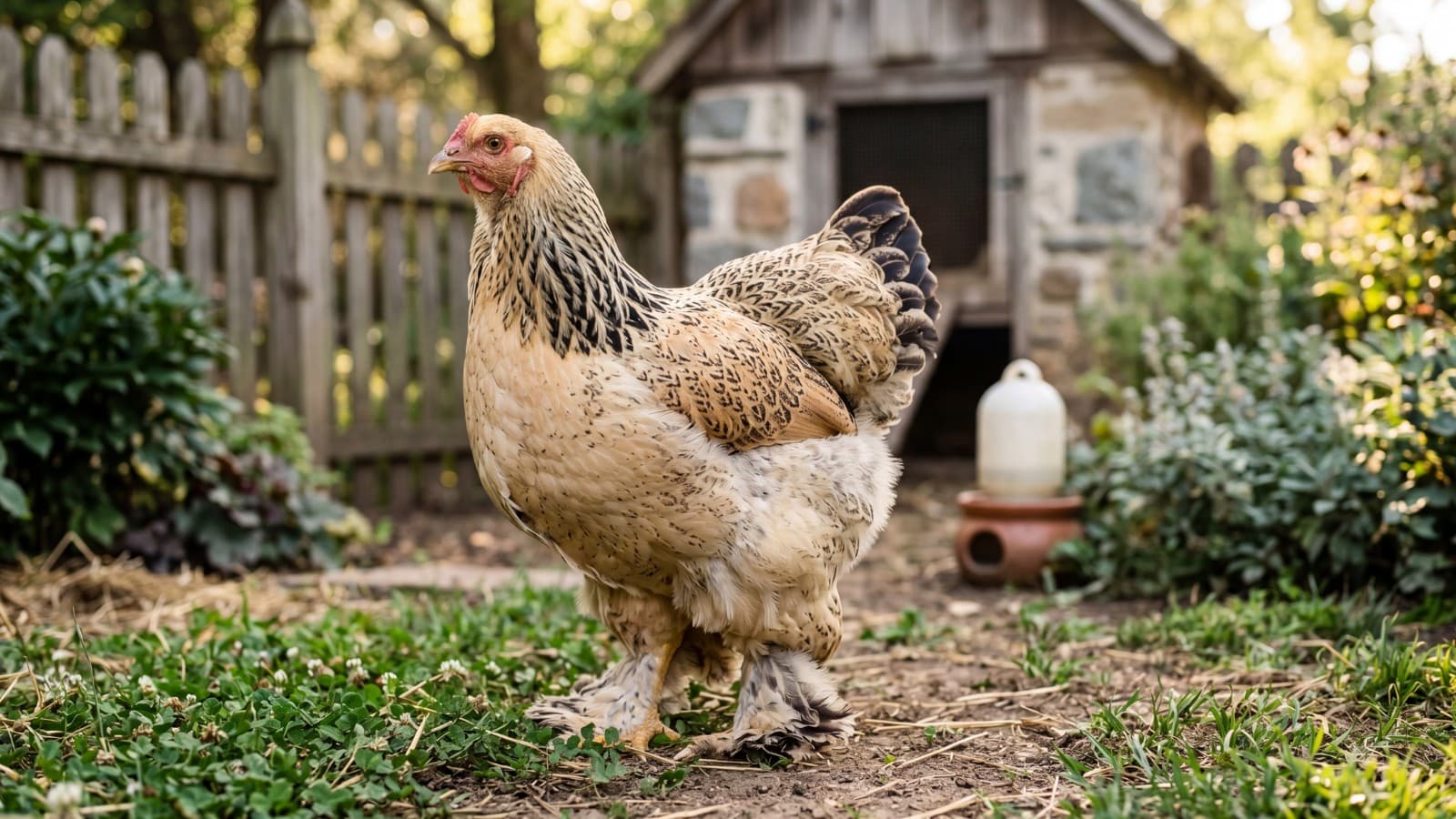
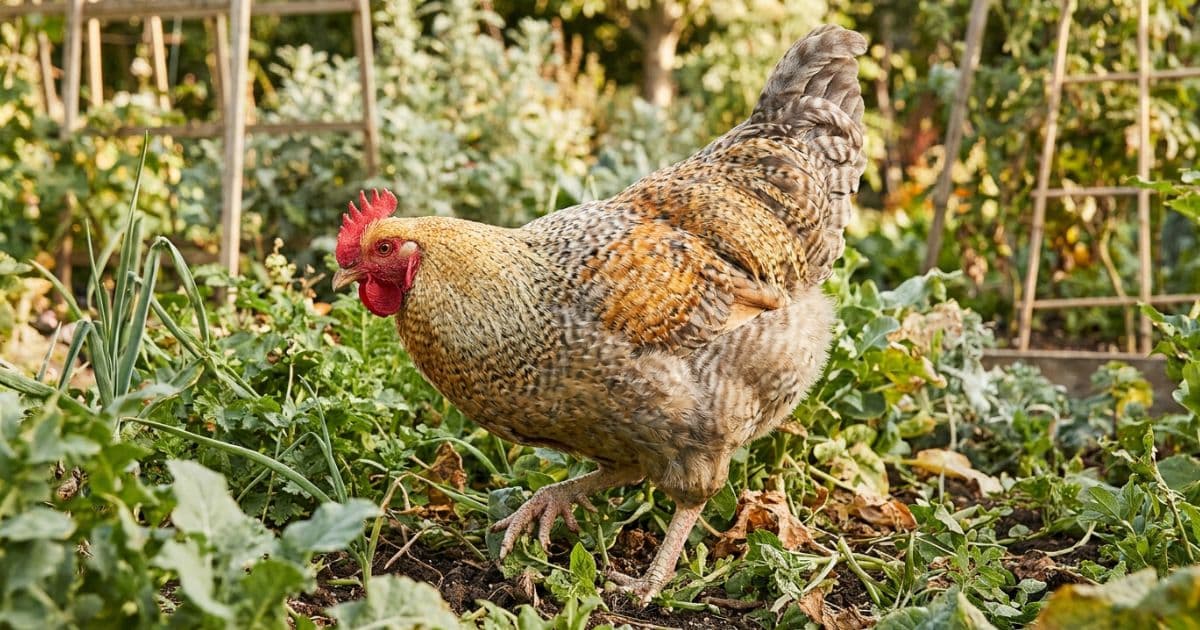
Bielefelders are large, heavy birds with a broad, deep body shape and a classic dual-purpose outline. Their plumage is a complex and beautiful pattern known as 'crele,' which is a combination of cuckoo barring overlaid with warm gold, reddish-brown, and grey tones. Hens are mostly gold and brown with soft barring, while roosters are flashier, displaying bright orange and yellow hackles and saddle feathers over a barred body. This cuckoo-barring genetic structure enables auto-sexing at hatch.
They have clean, unfeathered yellow legs and yellow skin, and a medium-sized single red comb. Their comb, wattles, and earlobes are bright red, and their large body size helps them withstand freezing winter temperatures easily. Standard Bielefelder hens are quite substantial, weighing around 7.5 to 8.5 pounds, while roosters grow to 10 to 12 pounds, making them one of the heaviest heritage breeds. Their clean legs are easy to maintain in wet weather, as they do not collect mud or ice.
Temperament
Bielefelder chickens have a highly docile and gentle temperament. They are slow-moving, calm, and peaceful birds that show a genuine interest in humans and handle easily. They are very easy to catch, hold, and carry, making them excellent pets for children and beginners. They will happily follow you around the yard, waiting for treats or quiet interaction.
In a mixed flock, they are peaceful and sit comfortably in the middle or bottom of the pecking order. Because they are so gentle, they can sometimes be bullied by aggressive breeds, so their flock mates should be chosen carefully. They are excellent foragers and will spend their days scratching for bugs and weeds, but they also tolerate confinement well. Their low noise levels and sweet nature make them highly suitable for suburban setups. To see how their temperament compares to other friendly choices, see our guide on friendliest chicken breeds.
Egg laying
As layers, Bielefelder hens are highly reliable. They produce between 200 and 230 large to extra-large light brown eggs per year, which translates to 4 eggs per week. They begin laying around 20 to 22 weeks of age, maturing faster than many other heavy heritage breeds. They are excellent winter layers, often continuing to lay through the cold winter months when other breeds stop.
Because they are a dual-purpose heritage breed, they have a natural laying cycle that includes a low to moderate tendency to go broody. Bielefelder hens make wonderful, patient mothers and will raise chicks attentively, but they are easily broken of broodiness if necessary. During these broody phases, their egg production will pause, which should be expected. To learn more about how their egg output compares with other laying breeds, read our guide on best chicken breeds for eggs.
Climate hardiness
The Bielefelder is exceptionally cold-hardy. Their heavy body mass and dense feathering provide outstanding insulation against freezing winter temperatures. They are robust birds that handle cold, wet climates very well, though keepers must still ensure that the coop remains dry and draft-free to prevent respiratory issues. Their clean yellow legs are also an asset in wet, muddy conditions.
In hot weather, they handle the heat well, provided they have access to shade and clean, cool water. Because they are heavy birds, they can overheat in extreme summer heatwaves, so shaded areas are crucial. Providing fresh water is essential during summer heatwaves to help them regulate their body temperature and prevent heat stroke.
Coop and care needs
- Lower roost bars. Because they are heavy birds, set roost bars lower (around 18 to 24 inches) to prevent foot or leg injuries when they jump down. See what should be inside a chicken coop.
- Standard nest boxes. Standard 12x12 inch nest boxes work perfectly. Provide one nest box for every 3 to 4 hens in the flock.
- Space requirements. Allocate at least 4 to 5 square feet inside the coop and 10 to 12 square feet of run space per bird. They are large birds and need room to move comfortably.
- Dry footing. Ensure the run is well-drained, as muddy conditions can lead to foot sores or leg mites. For coop layout and design tips, read our chicken coops guides.
Pros and cons
Pros: Chicks are auto-sexing at hatch (100% accurate sexing), exceptionally calm and friendly temperament, highly cold-hardy and robust, reliable egg production and winter laying.
Cons: Gentle nature makes them vulnerable to bullying by aggressive breeds, heavy body means they require low roosts, single comb is susceptible to frostbite in winter.
Who Bielefelders are best for
- Families with young children looking for a calm, friendly, and docile pet chicken.
- Beginner keepers wanting a hardy, low-stress heritage breed. See best chickens for beginners.
- Cold climates where winter-hardy layers are required.
- Keepers looking for a steady supply of large brown eggs throughout the year.
Frequently Asked Questions
Quick, practical answers to common questions about feeding this to chickens.
About the Author

Amy Schmelter is a lifelong chicken keeper raising a large flock in Florida and the author of the upcoming book What I Wish I Knew Before Getting Chickens. She started Chicken Homestead to share what actually works.
Disclosure
Some links on Chicken Homestead may be affiliate links. We only recommend products we’d use ourselves. See our affiliate disclosure for details.