Bantam chickens are the miniatures of the poultry world, offering all the personality, charm, and utility of standard chickens in a compact package. Weighing just a fraction of standard breeds, these pint-sized birds are highly popular among urban flock keepers, families with limited space, and ornamental poultry enthusiasts. Whether you are interested in 'true' bantams or miniature versions of larger breeds, bantams are practical, feed-efficient, and incredibly fun to raise. This guide covers their sizes, breeds, space needs, and how to care for them.
Their rising popularity has made them a staple in urban homesteading setups. Because they generate less waste and consume less food, they are highly compatible with small backyard gardens. Their unique physical characteristics and active personalities bring immense entertainment to keepers.
What bantam chickens are
Bantam chickens are simply small-stature chickens. The word 'bantam' originates from the seaport town of Bantam in Indonesia, where European sailors purchased small native chickens for their voyages. Today, bantams are kept for their ornamental beauty, quiet nature, and suitability for small yards. They possess the same basic needs as standard chickens but require smaller housing, lighter feed amounts, and extra protection from predators.
They are fully recognized by poultry organizations and have their own dedicated exhibition classes. Despite their small size, they have the exact same behaviors as standard chickens, including scratching, dust bathing, and establishing a pecking order. They are simply scaled-down versions of larger poultry.
True bantams vs miniature bantams
Bantam chickens are divided into two main categories: true bantams and developed miniatures. True bantams are breeds that have no large standard counterpart, meaning they naturally exist only in a small size (such as Sebrights, Japanese Bantams, and Pekins). Developed miniatures are downsized versions of standard breeds, created by breeding standard chickens (like Brahmas, Wyandottes, or Orpingtons) down to a bantam size while preserving their breed traits.
Understanding this distinction is helpful when planning your flock. True bantams often have unique proportions, such as shorter legs or larger tails relative to their bodies. Developed miniatures, on the other hand, look exactly like their large counterparts but weigh about one-quarter as much.
Size and weight
Bantams generally weigh between 16 and 30 ounces (1 to 2 pounds), making them about one-quarter the size of standard chickens. Their compact size makes them easy to hold and manage, which is why they are highly recommended for young children. Their small bodies also mean they consume about half the feed of a standard laying hen, making them very cost-effective to keep.
Their small physical footprint allows you to keep more birds in a smaller area. For example, where you can house 4 standard chickens, you can easily house 8 to 10 bantams. This makes them highly popular for urban settings where yard space is at a premium.
Egg size and laying
Bantams lay small eggs that are typically cream, white, or light brown. A bantam egg is about half the size of a standard egg, so you will need to adjust baking recipes accordingly. Depending on the breed, they will lay 100 to 160 eggs per year. Many bantam hens are highly prone to broodiness, meaning they will gladly sit on nests to hatch chicks, making them wonderful mothers.
Bantam eggs are highly sought after for their rich flavor and high yolk-to-white ratio. They are perfect for hard-boiling or frying. While you need more of them to fill a frying pan, their consistent quality and shell strength are comparable to standard eggs.
Temperament
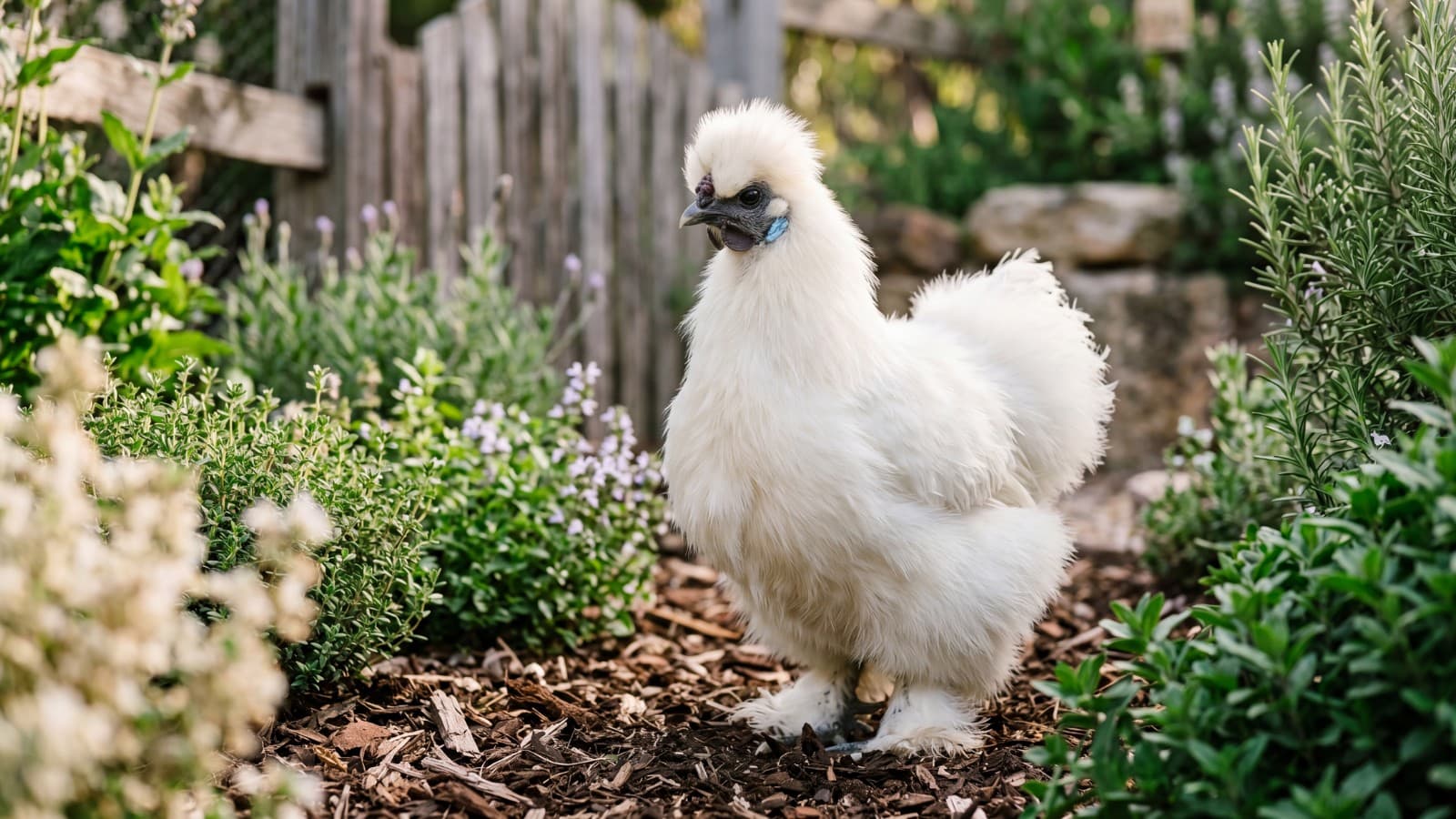
Bantams are known for their bright, active, and often highly entertaining personalities. Some breeds, like Cochins and Silkies, are incredibly docile, calm, and enjoy human handling. Other light breeds, like Sebrights or Seramas, can be energetic and bold. Their small size means they are rarely intimidating, making them excellent pets for children and beginners.
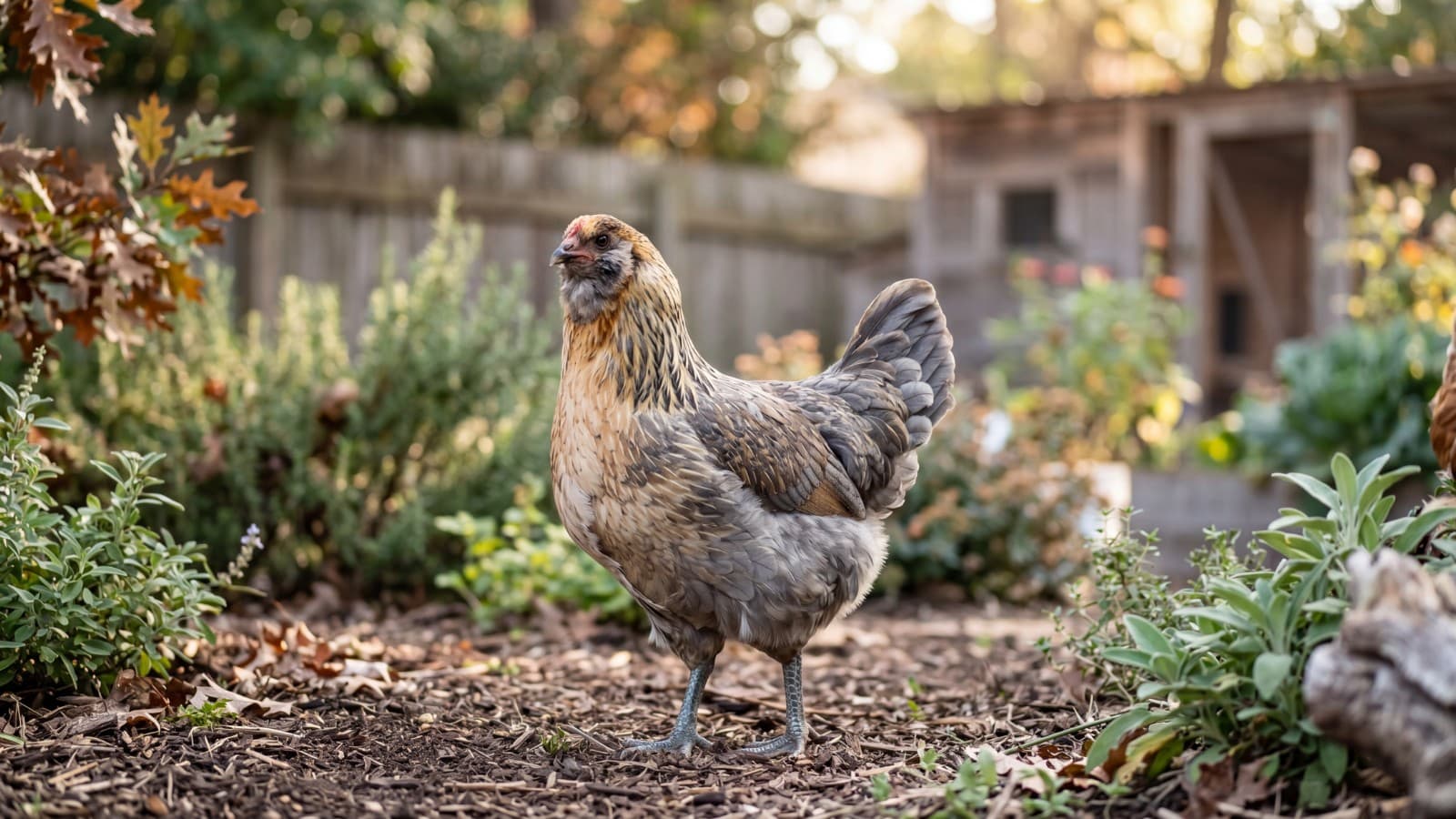
They display a lot of character and are often described as having 'big chicken personalities' in small bodies. They are highly active foragers that will spend hours busy pecking in the garden. Because they are smaller, they are less destructive to landscaping than heavy standard hens.
Space and coop needs
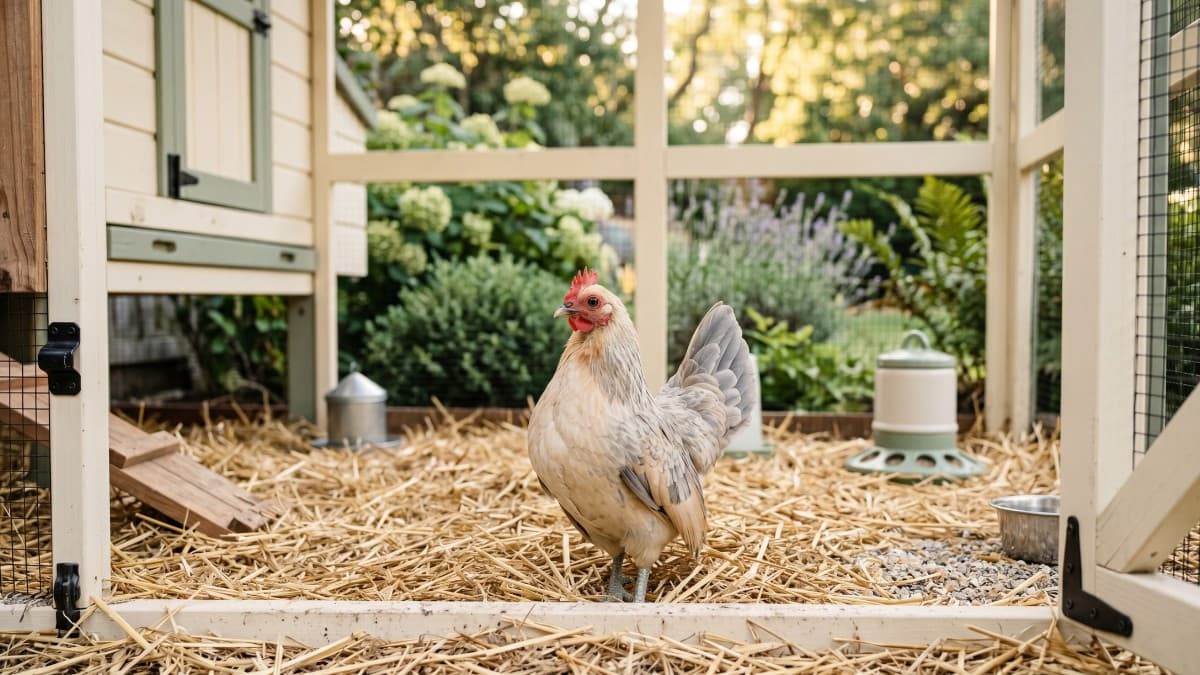
Because of their small size, bantams require significantly less space than standard chickens. While standard birds need 4 square feet of coop space and 10 square feet of run space each, bantams thrive with just 2 square feet of coop space and 5 square feet of run space. This makes them the ideal choice for small suburban yards or urban gardens where space is at a premium.
Their perches and nesting boxes can be mounted lower to the ground, which is safer for their joints. When designing their run, ensure you incorporate vertical perches and climbing areas, which helps them utilize the space efficiently and gives them places to exercise.
Care notes
Caring for bantams is similar to standard chickens, but they require a few minor adjustments. Because they are small and lightweight, they are much better flyers, so a covered run is necessary to prevent escapes. They also have a faster metabolism and can be more sensitive to damp and extreme cold. Keep their coop dry, draft-free, and well-insulated to help them maintain their body heat during winter.
Additionally, their small size makes them much more vulnerable to predators, including local hawks, cats, and raccoons. Ensure your run is fully enclosed with hardware cloth rather than chicken wire, and check daily for any gaps or holes where pests could enter.
Popular bantam breeds
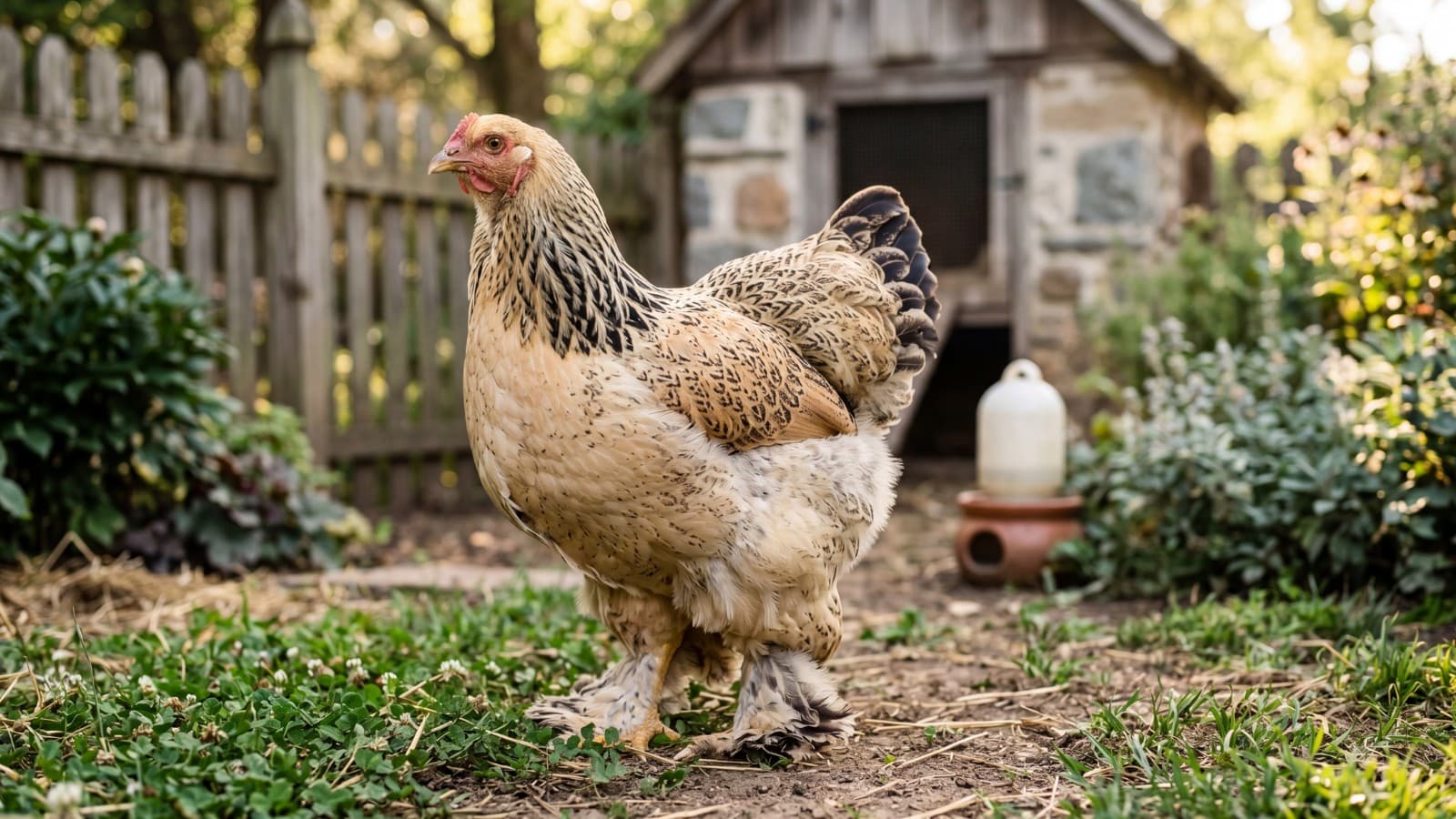
Popular bantam breeds include the Silkie, Cochin Bantam, Sebright, Japanese Bantam, and Belgian d'Uccle. Sebrights are famous for their silver or golden feathers outlined in black, while Belgian d'Uccles are known for their feathered feet and fluffy beards. Bantam versions of standard breeds like the Bantam Brahma and Bantam Plymouth Rock are also widely available.
Each breed has unique feather configurations, comb styles, and leg structures. Silkies have fur-like plumage, while Cochins are fully rounded and feathered to the toes. Exploring the wide variety of bantam breeds is a popular hobby among backyard poultry collectors.
Pros and cons
Pros: Require very little coop and run space; consume much less feed than standard hens; gentle and easy for kids to handle; active, entertaining personalities.
Cons: Eggs are small and require more eggs for cooking; excellent flyers that need covered runs; highly vulnerable to predators like hawks and cats; can be sensitive to cold wet weather.
Are bantams good for beginners?
Bantams are perfect for urban homesteaders, families with small children, and anyone with a small yard who still wants the joy of raising chickens. Their low feed consumption and small space requirements make them highly practical for backyard setups.
Frequently Asked Questions
Quick, practical answers to common questions about feeding this to chickens.
About the Author

Amy Schmelter is a lifelong chicken keeper raising a large flock in Florida and the author of the upcoming book What I Wish I Knew Before Getting Chickens. She started Chicken Homestead to share what actually works.
Disclosure
Some links on Chicken Homestead may be affiliate links. We only recommend products we’d use ourselves. See our affiliate disclosure for details.