The Ameraucana is one of the most popular and misunderstood purebred chicken breeds in the backyard poultry world. Developed in the United States in the 1970s, it was derived from Araucana chickens imported from South America. The goal was to create a robust breed that retained the unique blue-egg gene while breeding true for physical characteristics and eliminating the lethal hatching genes associated with the ear-tufts of Araucanas. Today, Ameraucanas are recognized by the American Poultry Association (APA) and are celebrated for their charming beards, muffs, slate-blue legs, and beautiful blue eggs.
It is common for commercial hatcheries to label hybrid crossbreeds as 'Ameraucanas' or 'Araucanas' when they are actually Easter Eggers. While Easter Eggers are wonderful birds, true Ameraucanas offer the predictability of a purebred breed, ensuring that every hen will lay a true pastel blue egg. This guide covers their physical characteristics, temperament, egg-laying performance, and specific care needs to help you manage this beautiful breed successfully.
Ameraucana at a glance
- Class: All-other-standard-breeds (APA purebred)
- Hen weight: 5 to 6 pounds
- Rooster weight: 6 to 7 pounds
- Egg color: Pastel blue
- Eggs per year: 180 to 200
- Egg size: Medium to large
- Winter laying: Average
- Cold hardy: Excellent
- Heat tolerance: Good
- Broodiness: Moderate
- Lifespan: 7 to 10 years
Appearance and size
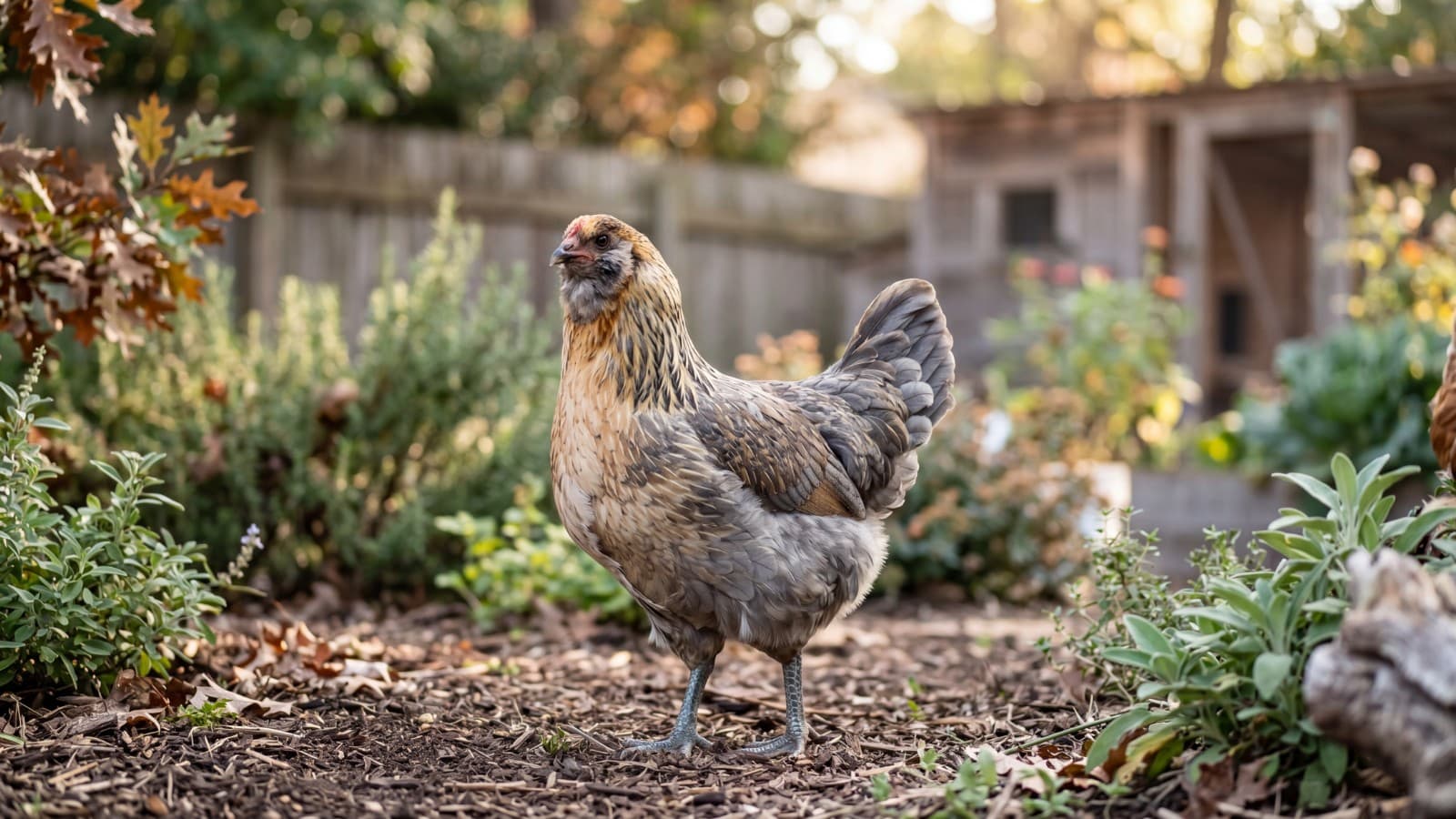
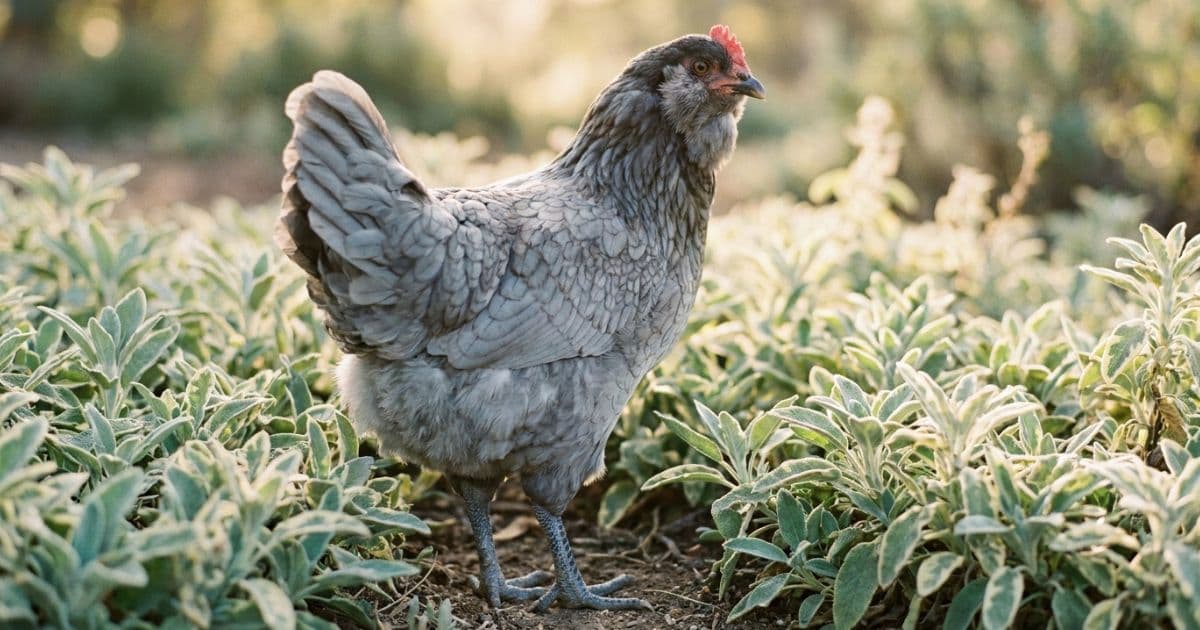
True Ameraucanas have a distinctive, round silhouette and a striking facial structure. Their most notable features are their muffs and beards, which are full tufts of feathers around their cheeks and under their chins, giving them a sweet, puffy face. They have a small, low-profile pea comb and small wattles, which are bright red and highly resistant to frostbite. Their eyes are reddish-bay, and their beaks are dark and curved. Unlike Easter Eggers, which can have yellow, green, or pinkish legs, purebred Ameraucanas must always have slate-blue to black shanks and feet, with white soles.
Ameraucanas have a full tail carried at a moderate angle, unlike the rumpless Araucana. They are recognized in eight standard plumage colors: black, blue, blue wheaten, brown red, buff, silver, wheaten, and white. Their feathers are tight and smooth, which protects them from wind and cold. Standard hens weigh between 5 and 6 pounds, while roosters weigh 6 to 7 pounds. This medium build makes them light enough to be agile and active, but large enough to withstand cold winter weather.
Temperament
Ameraucana chickens have a delightful, engaging temperament that makes them a pleasure to observe. They are highly curious, active, and busy birds that love to forage and search for insects in the yard. They are alert and have excellent situational awareness, making them less prone to predator attacks than heavier, more docile breeds. While they are very gentle and friendly, they are not typically 'lap chickens' in the way Orpingtons are. They are independent and may keep a slight distance from their keepers unless they are offered high-value treats.
However, if handled and hand-fed regularly from a young age, Ameraucanas can become very trusting and will happily eat from your hand or follow you around the garden. They are peaceful flock members and rarely engage in aggressive behavior, often finding themselves in the middle of the pecking order. They are also relatively quiet, which makes them a suitable choice for suburban neighborhoods. To see how their temperament compares to other friendly options, read our guide on friendliest chicken breeds.
Egg laying
The primary appeal of the Ameraucana is their beautiful pastel blue eggs. Unlike Easter Eggers, which can lay green, cream, or brown eggs, a purebred Ameraucana hen will always lay a solid blue egg. The blue coloration is caused by the pigment oocyanin, which is deposited during the egg-formation process, meaning the eggshell is blue both on the outside and the inside. Ameraucanas are steady, reliable layers, producing about 180 to 200 medium to large eggs per year, which equates to 3 to 4 eggs per week per hen.
Ameraucana pullets typically start laying later than production breeds, often around 24 to 26 weeks of age. They lay well during the spring and summer but will slow down significantly during the winter months, as they do not have the high-volume production drive of hybrid layers. They have a moderate tendency to go broody, and if allowed to sit, Ameraucana hens make attentive, protective mothers. To learn more about how their egg output compares with other laying breeds, view our guide on best chicken breeds for eggs.
Climate hardiness
Ameraucanas are exceptionally cold hardy, thanks to their physical adaptations. Their small pea comb and minimal wattles have a low surface area, making them highly resistant to frostbite, which is a major benefit in northern climates where large-combed breeds suffer. Their tight feathering provides excellent insulation against winter winds and snow. However, keepers must still ensure that the coop remains dry and well-ventilated to prevent moisture buildup, which can cause respiratory issues.
In warm weather, Ameraucanas handle the heat well due to their active nature and medium build. They do not overheat as easily as massive, heavily feathered breeds like Brahmas or Cochins. However, they must still have access to shaded areas and cool, clean water throughout the day. Providing fresh water is crucial during summer heatwaves to help them regulate their body temperature and prevent heat stroke.
Coop and care needs
- Standard roost bars. Provide 8 to 10 inches of roost space per bird. Set roosts at a standard height of 2 to 3 feet, as they are capable flyers and can easily fly up.
- Standard nest boxes. Standard 12x12 inch nest boxes work perfectly. Provide one nest box for every 3 to 4 hens in the flock.
- Run space. Provide at least 4 square feet of coop space and 10 square feet of run space per bird. They are active foragers and appreciate extra room.
- Fencing. Because they are lighter and can fly relatively well, ensure your run fence is at least 5 to 6 feet tall, or use a covered run to keep them contained.
Pros and cons
Pros: Lays beautiful, true pastel blue eggs, exceptionally cold hardy with low frostbite risk, active and alert with good predator awareness, friendly and curious personality.
Cons: Moderate egg production compared to production hybrids, slower to start laying (24-26 weeks), can be slightly flighty if not socialized regularly, true purebred lines are harder to find and more expensive.
Who Ameraucanas are best for
- Keepers who want a colorful egg basket and appreciate the beauty of pastel blue eggs.
- Cold-climate chicken owners looking for a low-risk, cold-hardy breed.
- Backyard flocks with space for foraging where alert, active birds are needed.
- Beginners who want a hardy and interesting breed. See best chickens for beginners.
Frequently Asked Questions
Quick, practical answers to common questions about feeding this to chickens.
About the Author

Amy Schmelter is a lifelong chicken keeper raising a large flock in Florida and the author of the upcoming book What I Wish I Knew Before Getting Chickens. She started Chicken Homestead to share what actually works.
Disclosure
Some links on Chicken Homestead may be affiliate links. We only recommend products we’d use ourselves. See our affiliate disclosure for details.