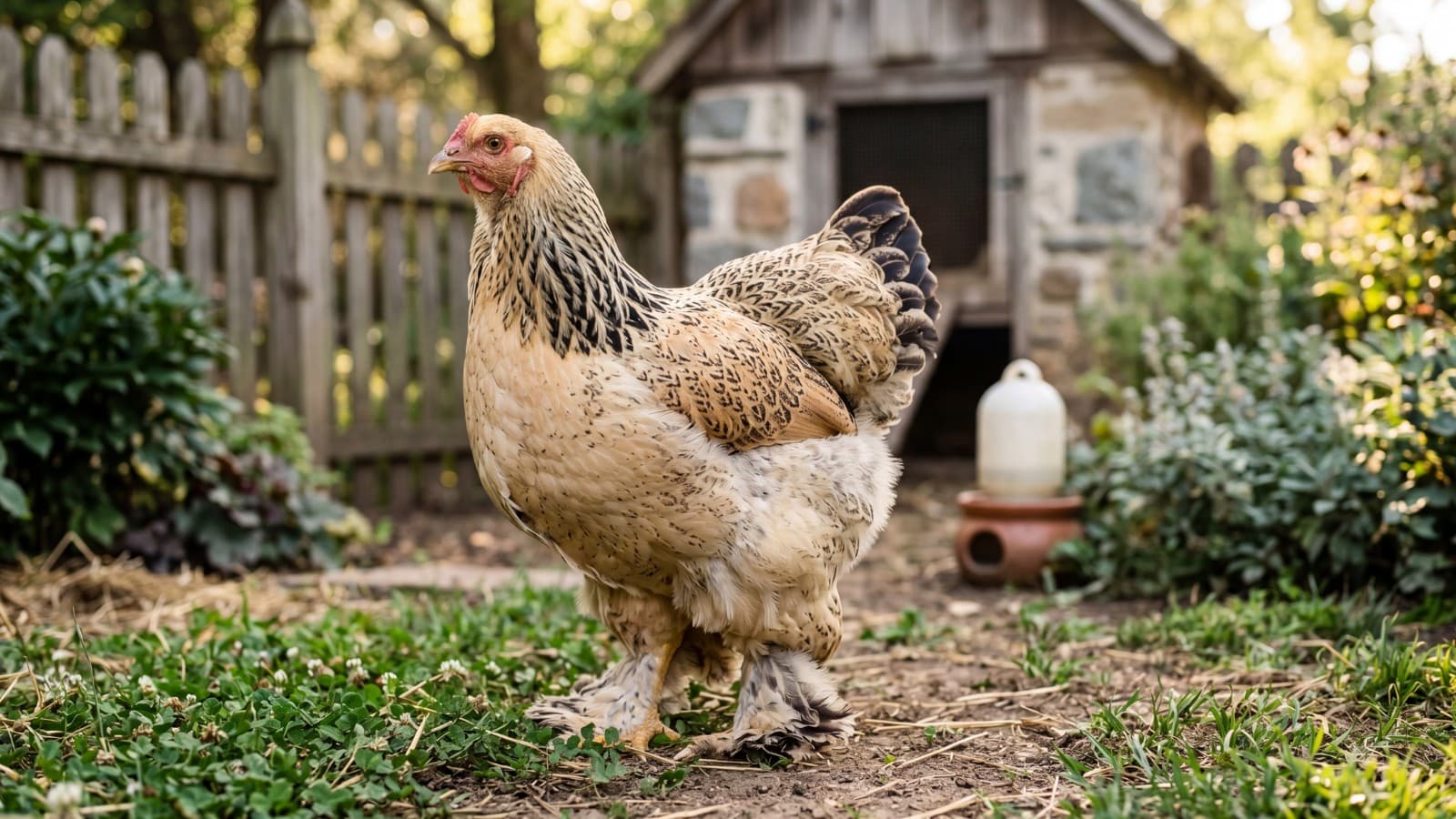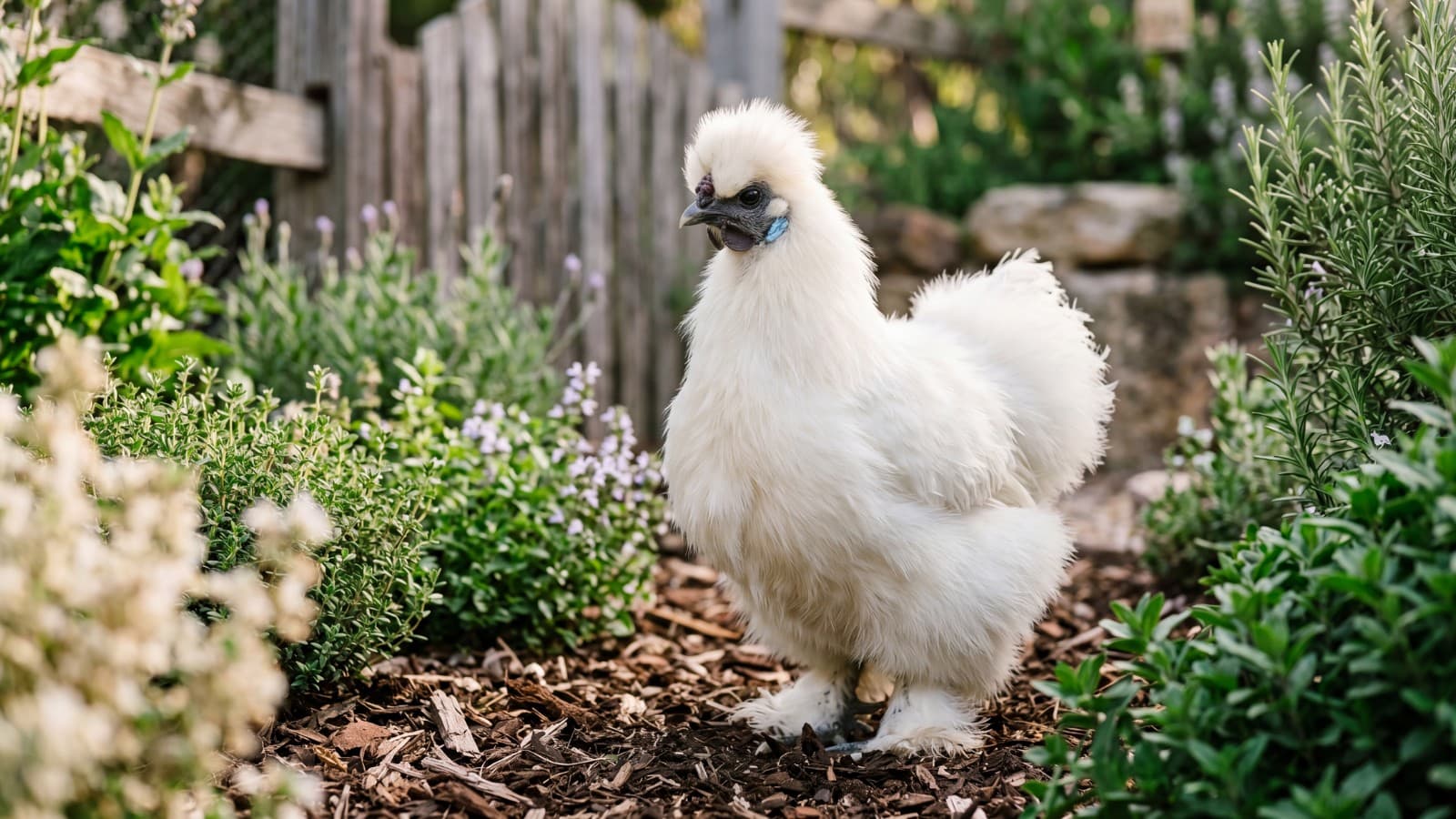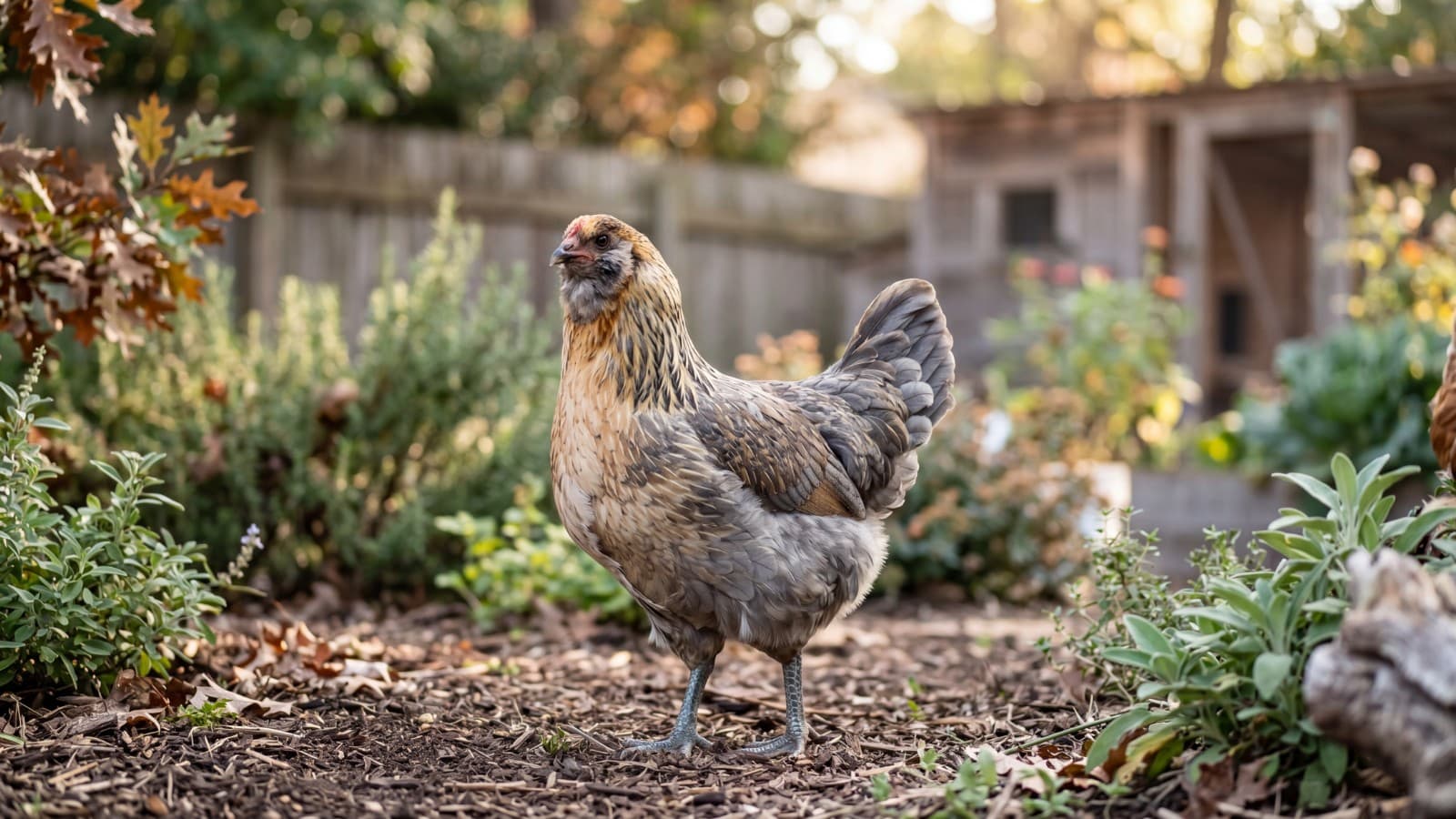
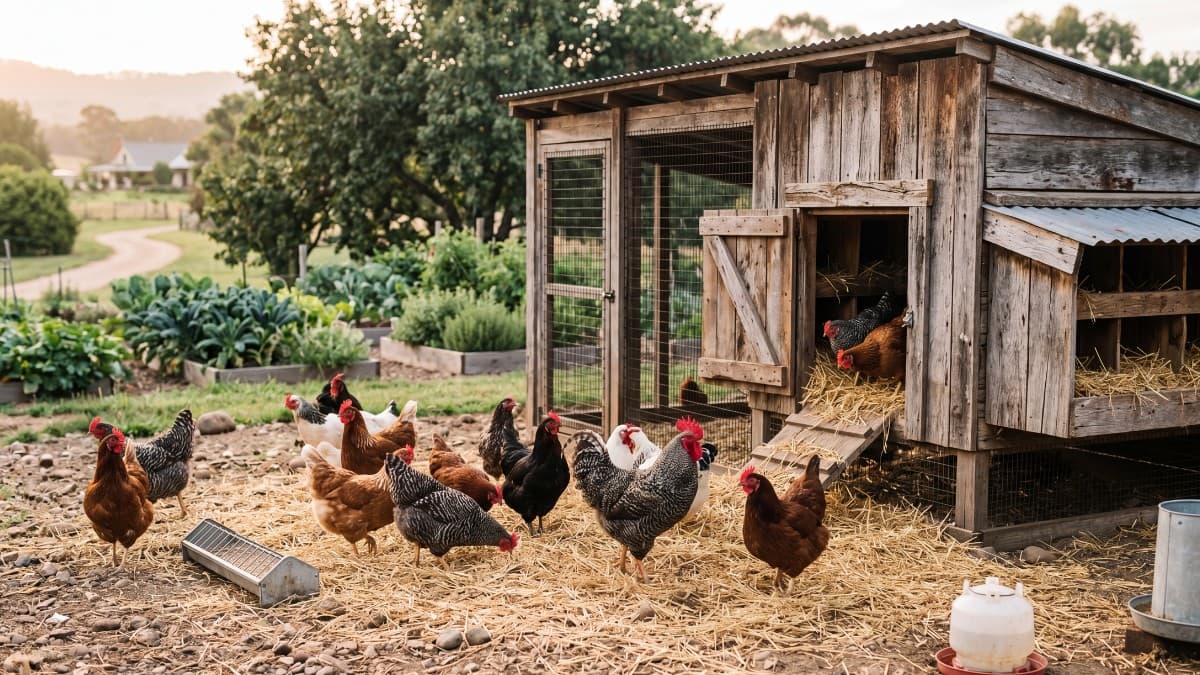
Heritage chicken breeds are the traditional, historic breeds that populated American farms and homesteads before the rise of industrial agriculture. These birds were bred for natural hardiness, long-term productivity, and dual-purpose utility. Today, keeping heritage breeds is vital for preserving agricultural history, protecting genetic diversity, and establishing a sustainable backyard flock. This guide defines what makes a breed a 'heritage' chicken, reviews the top heritage breeds, and helps you pick the right ones.
Preserving these historical lines is a rewarding way to participate in agricultural conservation. Many heritage breeds have unique histories linked to specific regions and communities. Let's look at the characteristics of the top heritage breeds.
What heritage breeds actually are
A true heritage chicken must meet strict criteria defined by the American Poultry Association. They must be established breeds with historical standards, reproduce naturally, possess a slow growth rate, and be capable of living a long, productive life. Unlike modern hybrid birds, heritage breeds will breed true, meaning their offspring will inherit the exact same physical and behavioral traits.
These criteria preserve the genetics that allowed chickens to thrive on traditional pasture farms. Their slow growth rate ensures that their bones and organs develop fully, resulting in robust, healthy adult birds that do not suffer from the skeletal issues common in industrial lines.
Why homesteaders keep heritage breeds
Homesteaders choose heritage breeds for their outstanding hardiness, self-sufficiency, and long-term laying ability. These birds are active foragers that require less supplemental feed when allowed to free-range. They also maintain their egg production for several years, unlike industrial hybrids that wear out after eighteen months, making heritage birds a sustainable investment.
Their natural foraging habits make them excellent partners in pest control and weed management for your garden. They have a strong flock instinct and are highly alert to potential predators, which helps keep the entire flock safe in free-range setups.
Popular heritage breeds
There are dozens of heritage breeds, each developed for specific regional climates and agricultural needs. The most successful heritage chickens are dual-purpose breeds, which provide a reliable supply of large eggs alongside a decent meat yield. Below, we review the top eight heritage breeds that are highly recommended for modern homesteads.
These breeds were selected over generations for stability, disease resistance, and calm behavior. They form the backbone of traditional backyard poultry husbandry, offering dependable utility alongside historical significance.
Plymouth Rock
The Plymouth Rock, established in Massachusetts in the 1860s, is a premier American heritage breed. The Barred Rock variety features clean, black-and-white striped feathers. They are exceptionally hardy, docile, and lay about 260 large brown eggs a year. They are excellent foragers and make peaceful, easy-to-manage flock members.
They have a very friendly, outgoing personality and are highly curious about human activities. Their thick plumage keeps them warm in freezing winters. Their reliable performance and gentle temperament make them the most recommended heritage breed.
Rhode Island Red (heritage line)
The heritage line of Rhode Island Reds (distinct from industrial hatcheries) is a historic breed developed in New England. They have deep mahogany feathers, robust bodies, and single or rose combs. They are highly energetic, exceptionally cold-hardy, and lay up to 280 large brown eggs annually, making them incredibly productive.
They are highly active and self-sufficient foragers that thrive when allowed to free-range. Their independent nature makes them tough and alert. Ensure you provide them with plenty of run space to prevent territorial behaviors.
Wyandotte
Wyandottes, named after the Wyandot Nation, are round, heavy birds developed in New York. They feature beautiful laced feather patterns and compact rose combs that resist winter frostbite. Wyandottes are independent, self-sufficient, and lay about 200 large brown eggs a year, continuing to lay through cold winters.
Their rose comb sits close to the skull, preventing frostbite. They have a quiet, steady presence and occupy a confident spot in the pecking order. Their laced feathers add a beautiful, decorative look to the coop.
Delaware
Delawares were developed in the 1940s as a premier meat and egg breed, featuring white plumage with black-barred hackles and tails. They are highly active, friendly, and rapid growers for a heritage breed. Delaware hens are excellent layers of large brown eggs, producing about 200 a year, and are very heat-tolerant.
They have a calm, curious disposition and enjoy foraging in the run. Their light-colored plumage makes them easy to spot. Their robust growth rate and dependable laying make them highly practical dual-purpose birds.
Dominique
The Dominique is America's oldest chicken breed, brought over by early pilgrims. They feature distinct 'cuckoo' barred feathers and a rose comb. Dominiques are quiet, gentle, and highly self-reliant foragers that excel at evading hawks due to their hawk-colored feathers. They lay about 200 medium brown eggs per year.
Their rose comb is highly frostbite-resistant, and their dense feathers provide excellent insulation. They have a calm, trusting nature and are quiet, making them highly compatible with suburban yards and family farms.
Buckeye
Buckeyes are the only recognized American breed created by a woman, Nettie Metcalf of Ohio. They are deep mahogany-red birds with pea combs and a broad, stocky build. Buckeyes are highly active, excellent mouse-hunters, and exceptionally cold-hardy. They lay around 200 brown eggs a year and have a very calm nature.
They have a very confident, fearless personality and are highly active foragers. Their stocky build and pea comb make them exceptionally suited for harsh winter climates. They are gentle with humans and quiet in the coop.
Java
The Java is the second oldest American breed, playing a major role in developing the Plymouth Rock and Rhode Island Red. Javas are large, long-backed birds with black or mottled plumage. They are slow-growing, highly active foragers that are exceptionally hardy in both cold and hot weather, laying around 150 brown eggs annually.
They have a very calm, slow-moving behavior. Their historic genetics make them highly valuable for breed preservation. Javas are self-sufficient foragers that require minimal supplemental feed when allowed to free-range on pasture.
New Hampshire
New Hampshires were selected from Rhode Island Reds in the early 20th century to create a faster-feathering and quicker-maturing breed. They have chestnut-red feathers and deep, broad bodies. New Hampshires are docile, hardy, and excellent dual-purpose birds, laying about 200 large brown eggs per year.
They have a very steady, reliable nature and reach laying age quicker than most other heritage lines. Their robust constitution makes them easy to feed and manage, fitting perfectly into a standard backyard flock.
Pros and cons
Pros: Long-lived and lay steadily for 4-6 years; natural foragers that reduce feed costs; extremely cold-hardy and robust; breed true for natural flock replacement.
Cons: Slower to reach laying age than modern hybrids; lower initial egg volume than industrial sex-links; can go broody, pausing egg production; larger body sizes require more coop space.
Are heritage breeds good for beginners?
Heritage breeds are excellent for beginners because they are forgiving of mistakes, robust, and rarely suffer from the sudden health failures common in high-production hybrids. Their friendly, calm nature makes coop chores enjoyable, and their history adds a rich, meaningful dimension to the hobby of raising backyard chickens.
They represent a long-term commitment to sustainability and conservation. By choosing heritage breeds, you help preserve the genetic traits that will keep backyard poultry healthy for generations to come.
Frequently Asked Questions
Quick, practical answers to common questions about feeding this to chickens.
About the Author

Amy Schmelter is a lifelong chicken keeper raising a large flock in Florida and the author of the upcoming book What I Wish I Knew Before Getting Chickens. She started Chicken Homestead to share what actually works.
Disclosure
Some links on Chicken Homestead may be affiliate links. We only recommend products we’d use ourselves. See our affiliate disclosure for details.