Black chicken breeds possess a striking, elegant, and almost gothic beauty that stands out in any backyard flock. From the brilliant beetle-green iridescence of the Australorp to the completely ink-black Ayam Cemani, these birds are as fascinating as they are beautiful. In addition to their looks, many black breeds are highly productive layers and hardy dual-purpose birds. This guide reviews the top black chicken breeds, explains their unique genetics, and shares tips for maintaining their glossy plumage.
Many keepers find that adding a few black hens to their flock creates a beautiful visual contrast. These birds are also highly practical, as their dark feathers make them less visible to hawks hunting from above, providing a natural defense. Let's look at the best black breeds.
What counts as a black chicken breed
A black chicken breed is defined by its solid black plumage, but many varieties also feature black legs, dark combs, and dark eyes. In high-quality birds, the feathers display a rich, glossy sheen that reflects green or purple light in the sun. This color pattern is highly practical, as dark feathers help camouflage the birds from flying predators like hawks, making them safer for free-ranging.
To achieve this solid black color, breeders select for specific genetic traits that distribute melanin heavily throughout the feather structure. In some breeds, this melanin distribution is so intense that it colors the skin and bones as well, creating a striking physical layout.
Black Australorp
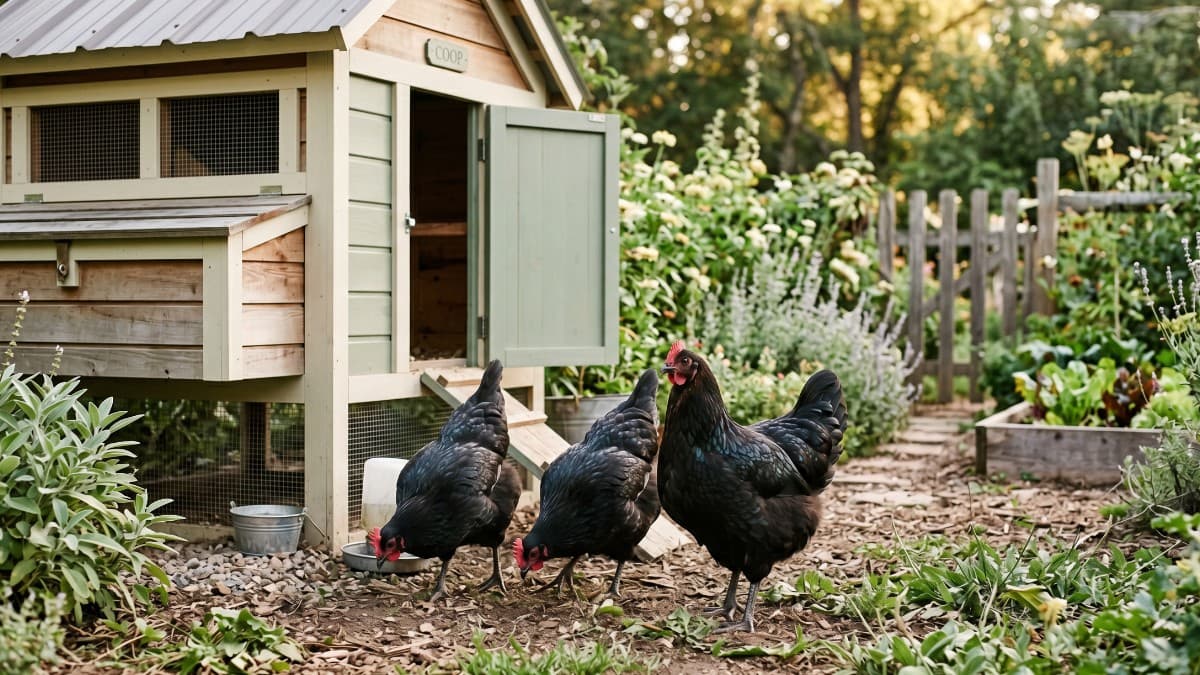
The Black Australorp is the most popular black breed, famous for its docile nature and productive laying. In the sun, their plumage shines with a brilliant green luster. They are heavy, cold-hardy birds that lay up to 300 large brown eggs a year. Their friendly, quiet personality makes them a wonderful addition to family yards and suburban coops.
They have clean, featherless black legs and dark brown eyes. They are highly efficient foragers and adapt easily to confinement. Their reliable egg laying and easygoing behavior make them the most popular dual-purpose black breed.
Black Jersey Giant
Black Jersey Giants are the largest recognized chicken breed, originally bred to replace the turkey. Roosters can weigh up to 13 pounds, and hens reach 10 pounds. They have black plumage with dark willow-green legs and yellow soles on their feet. Despite their intimidating size, they are incredibly gentle, quiet, and friendly birds that lay large brown eggs.
Because they grow so large, they mature slowly, taking up to 9 months to start laying. They require lower perches and larger nesting boxes than standard hens. Their quiet nature makes them peaceful additions to large yards.
Ayam Cemani
The Ayam Cemani is a striking Indonesian breed that is entirely black from head to toe due to fibromelanosis. Their feathers, skin, comb, beak, tongue, muscles, bones, and organs are all deep black. They are active, alert, and light-bodied birds that lay about 80 cream eggs a year. Their exotic appearance makes them a prized show breed.
They have a high wing-to-body-weight ratio and are active flyers. They are self-sufficient and alert, keeping a close eye out for danger in the yard. Their unique genetics make them a fascinating center of interest in any collection.
Black Copper Marans
Black Copper Marans are famous for laying dark, chocolate-brown eggs. They feature solid black body feathers with rich copper-colored plumage on their hackles and shoulders, and they have lightly feathered legs. They are calm, hardy, and highly sought after by keepers who want to add deep color variety to their daily egg basket.
Their egg color is created by a brown pigment deposited on the shell late in the laying process. They are docile, heavy-bodied birds that handle cold winters well. Their copper neck feathers create a striking, fiery contrast against their black bodies.
Black Minorca
Black Minorcas are the largest of the Mediterranean breeds, featuring large white earlobes that contrast sharply with their glossy black feathers. They have large, floppy single combs and long wattles. Minorcas are active, flighty birds that are highly heat-tolerant, making them excellent choices for hot southern climates. They lay large white eggs.
They have a light, streamlined build that helps them stay cool in humid areas. Because their combs are so large, they are susceptible to frostbite in freezing weather, so they are best suited for warm, southern regions.
Black Silkie
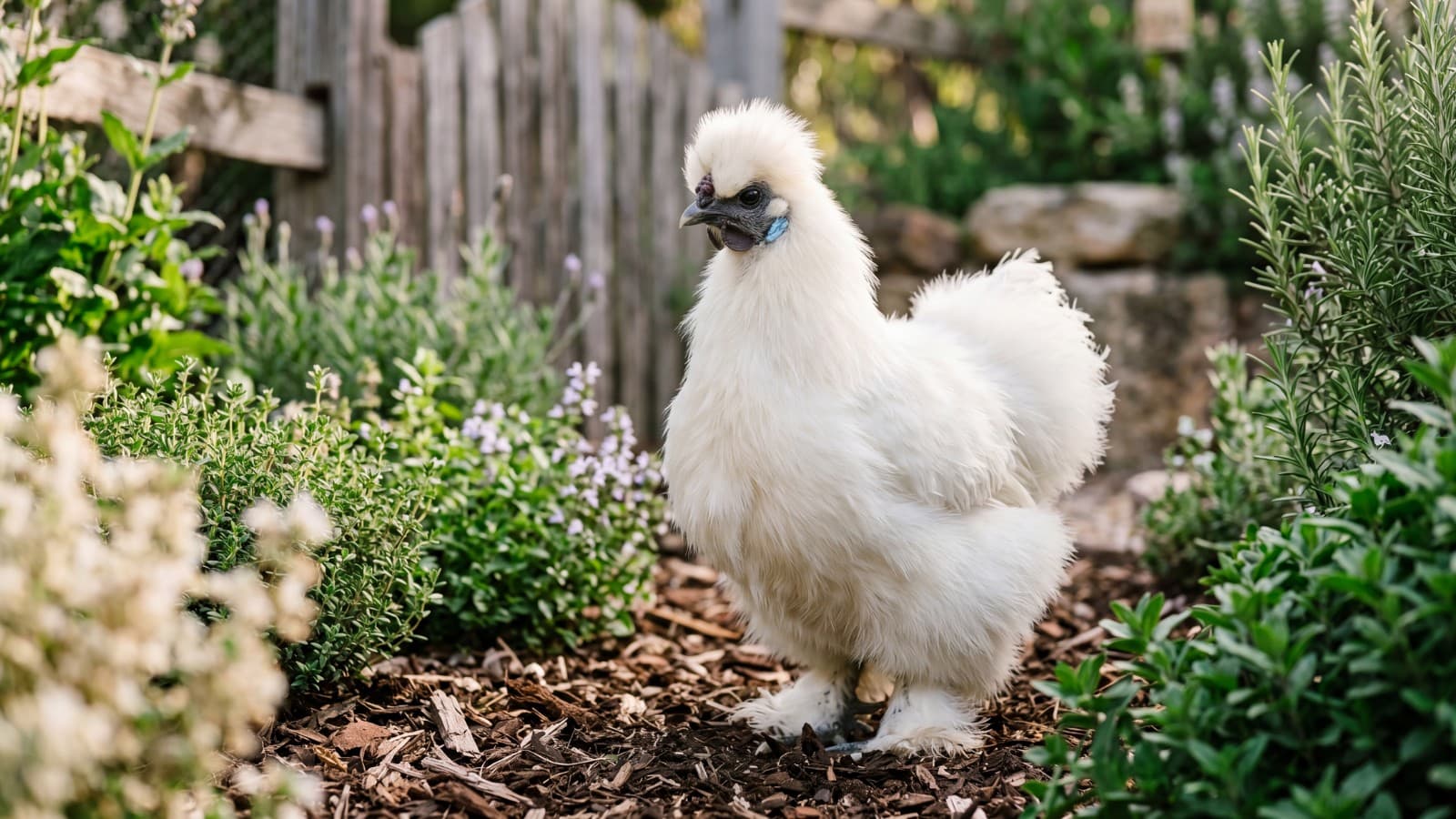
Black Silkies feature fluffy, hair-like feathers that are solid black, combined with dark slate-blue skin, turquoise earlobes, and five toes. They look like little dark puffballs and have incredibly sweet, docile personalities. While they lay few eggs, they are highly prone to broodiness and make excellent natural mothers for hatching chicks.
Their feathers feel exactly like soft down or fur. They have a crest of feathers on their heads and feathering on their feet. They are very quiet and handle confinement easily, making them popular urban pets.
Black Langshan
Croad Langshans are old heritage birds from China, featuring an upright, U-shaped carriage and lightly feathered legs. They stand very tall and have a brilliant green sheen on their black feathers. Langshans are docile, cold-hardy birds that lay unique plum-colored or dark brown eggs, making them a beautiful and rare addition to a flock.
They have a stately, tall presence in the yard. Their long legs are lightly feathered on the outer sides. Their gentle temperament and rare egg color make them highly prized by heritage breed conservationists.
Sumatra
Sumatras are an ancient ornamental breed from Indonesia, resembling wild pheasants with long, sweeping tails and dark red combs. They are highly active, agile, and excellent flyers that prefer to roost high in trees. Sumatras are kept primarily for exhibition and conservation, laying small white eggs. They have a bold, independent nature.
Their tail feathers can reach impressive lengths, requiring clean, spacious coops to prevent damage. They have a very sleek, athletic shape and are highly skilled at evading predators in free-range setups.
Quick comparison
- Black Australorp: ~280 brown eggs. Green sheen, highly docile, excellent layer.
- Jersey Giant: ~180 brown eggs. Massive size, quiet, friendly giant.
- Ayam Cemani: ~80 cream eggs. 100% black inside and out, rare, active.
- Black Copper Marans: ~180 chocolate eggs. Feathered legs, calm, unique egg color.
- Black Minorca: ~200 white eggs. Heat-tolerant, large white earlobes, active.
How to pick a black breed
To keep black feathers looking their best, you must protect them from sun bleaching. Extended exposure to intense summer sun can cause black feathers to fade to a dull, rusty-brown color. Providing plenty of shaded areas in the run helps preserve their rich color. Ensure they receive high-protein feed during the molt to support glossy feather regrowth.
Check their plumage regularly during autumn for signs of mites or lice, which can hide easily in dark feathers. Offering them healthy fats like sunflower seeds during the molt helps build the oil layer that creates the green sheen.
Frequently Asked Questions
Quick, practical answers to common questions about feeding this to chickens.
About the Author

Amy Schmelter is a lifelong chicken keeper raising a large flock in Florida and the author of the upcoming book What I Wish I Knew Before Getting Chickens. She started Chicken Homestead to share what actually works.
Disclosure
Some links on Chicken Homestead may be affiliate links. We only recommend products we’d use ourselves. See our affiliate disclosure for details.