Raising backyard chickens is a wonderful homesteading hobby, but it is important to understand the financial commitment before buying your first chicks. While chickens are relatively inexpensive animals to purchase, the costs of housing, feeding, and caring for them can add up quickly. From startup coop expenses to monthly feed bills and veterinary care, knowing what to budget for helps prevent financial surprises. This guide breaks down startup costs, ongoing expenses, variable costs, cost per egg, and where you can save money safely. Establishing a realistic budget before bringing chicks home is the best way to ensure you can provide a high-quality environment without financial strain. It keeps the chicken keeping hobby enjoyable and sustainable for years.
Startup costs
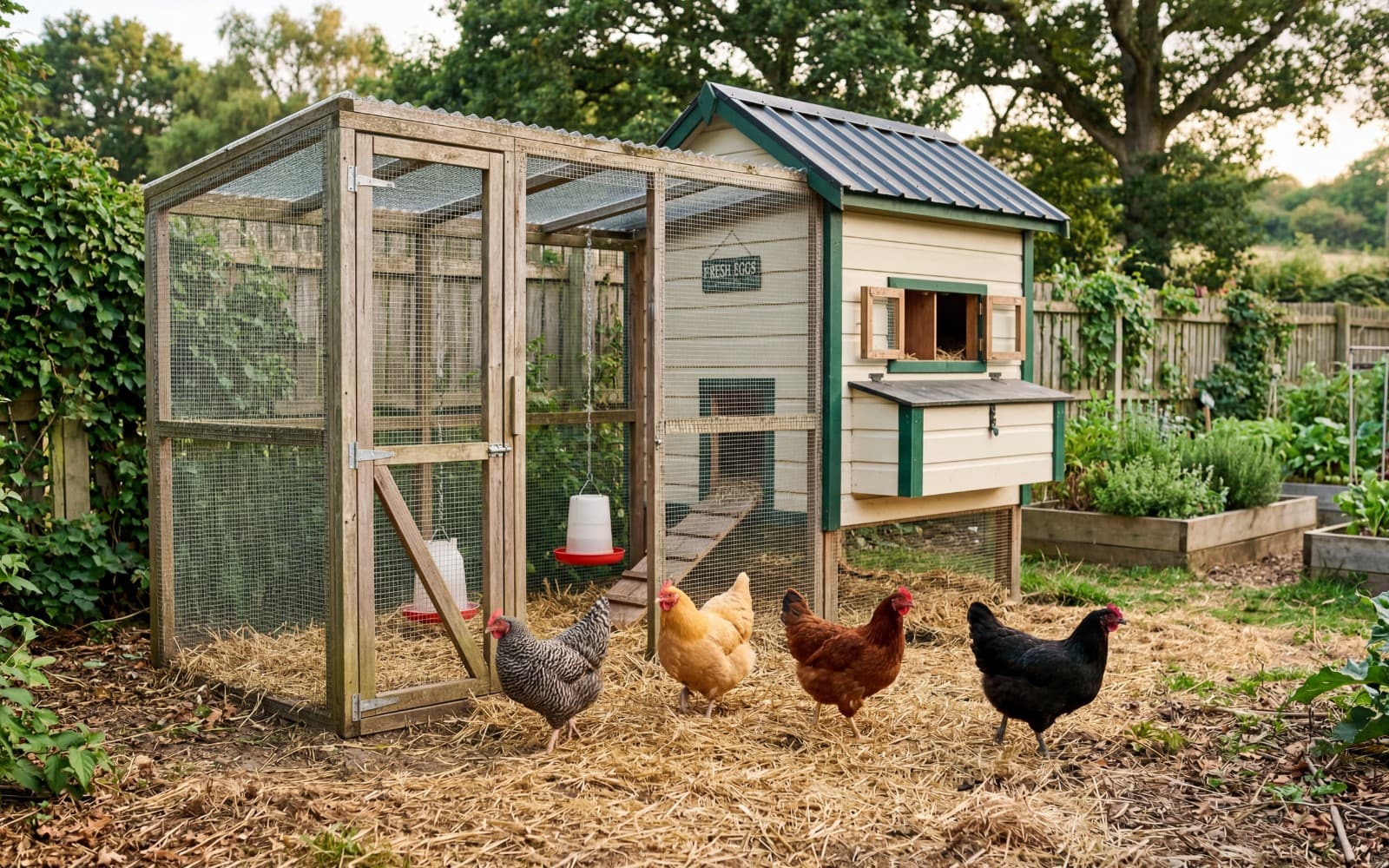
Startup costs represent the largest financial hurdle in chicken keeping. Expect to spend $300 to $1,000 to get started. The primary expense is building or buying a secure coop and run. Additionally, you must budget for brooder equipment ($50 to $100 for a heat source, feeder, waterer, and brooder tub), buying chicks ($3 to $5 each for standard breeds), and purchasing feed, feeders, waterers, and bedding. Buying older started pullets will cost more, around $15 to $25 each.
Framing lumber, sheathing siding, and hardware cloth will make up the majority of your construction expenses. It is highly recommended to invest in quality fasteners and roofing panels, as a draft-free, secure coop protects your investment from weather damage and predator attacks, reducing flock losses. Buying cheap supplies often leads to replacements within the first year, which increases your overall startup budget.
You should also budget for ongoing coop maintenance, such as paint touch-ups, hardware replacements, and roof repairs. Coops are exposed to extreme weather year-round, and wood rot can set in quickly if surfaces are not protected. Setting aside a small maintenance fund prevents expensive structural repairs down the road.
Monthly ongoing costs
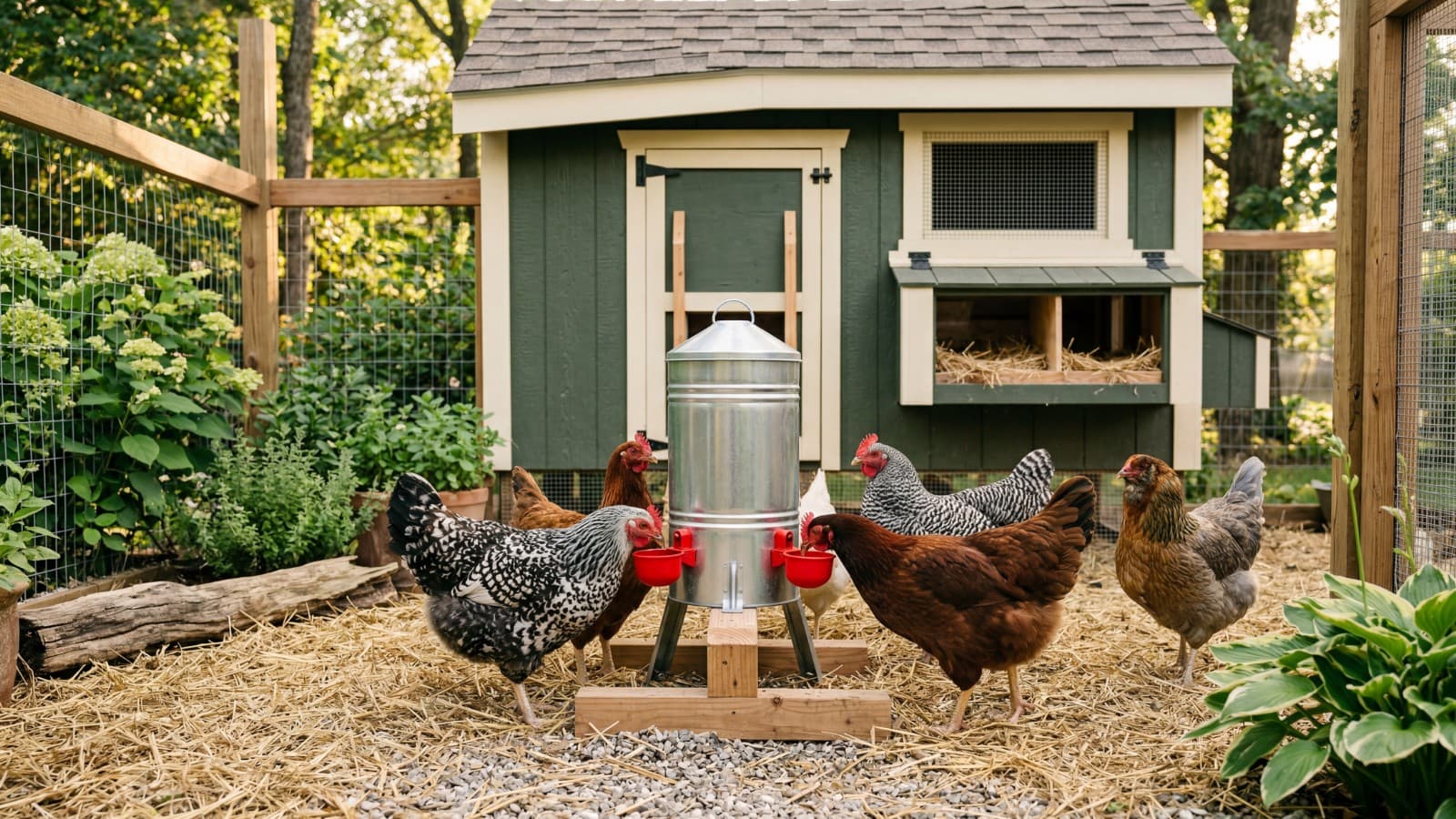
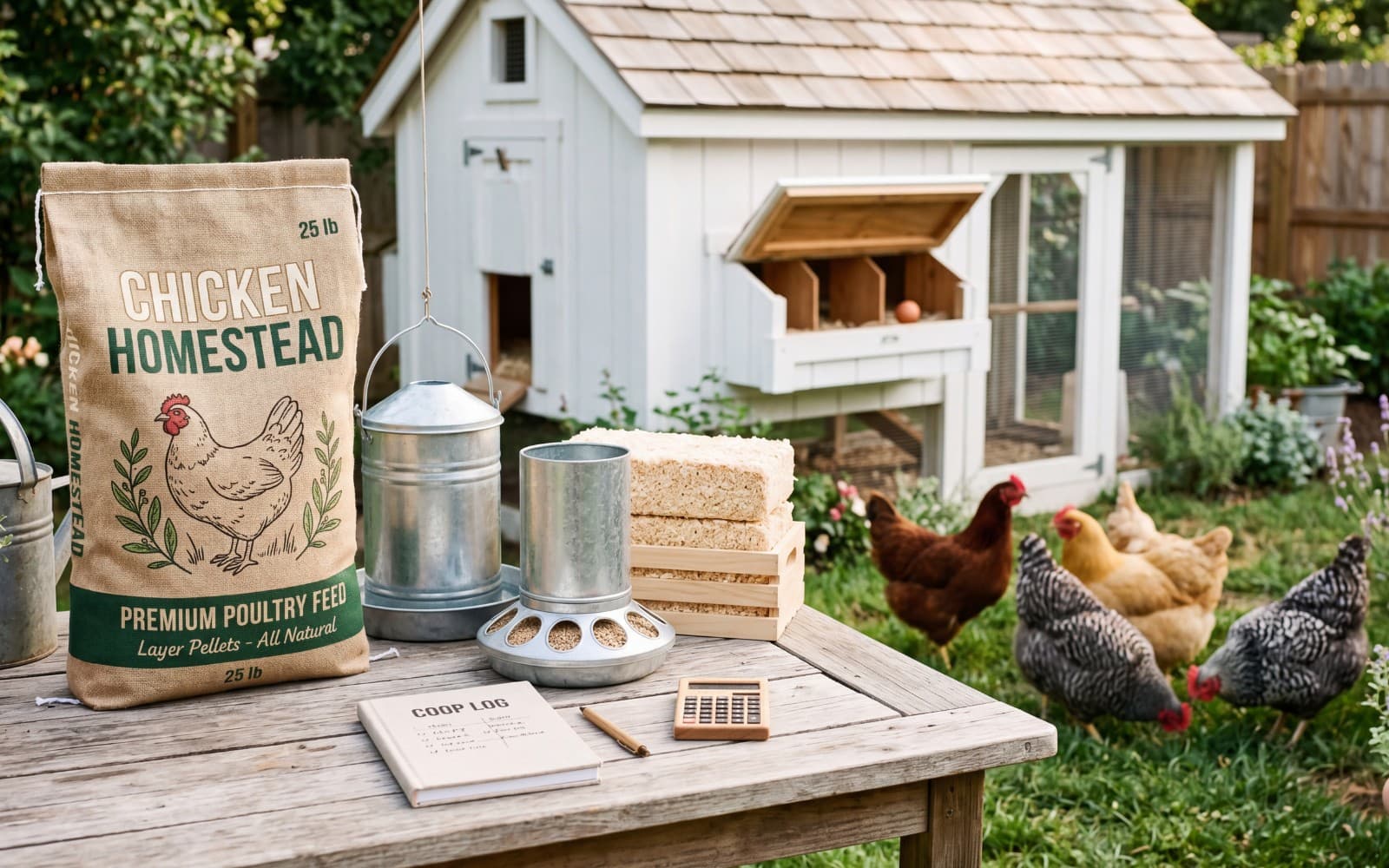
Once your setup is complete, ongoing monthly expenses are relatively low. For a flock of 6 hens, expect to spend $30 to $50 per month. This monthly budget covers one 40-pound bag of commercial layer feed ($20 to $30), a bag of pine shavings for bedding ($7 to $10), and small bags of scratch grains, grit, and oyster shells ($5 to $10). Feeding organic, non-GMO, or soy-free feed will increase your monthly budget. Bedding must be kept dry.
Feed consumption is steady; each hen eats about 1/4 pound daily. Bedding needs to be refreshed weekly and replaced fully every few months. If you use the deep litter method, bedding costs are even lower, as you only perform complete cleanouts once or twice a year. Keep feed stored in airtight metal cans to prevent waste from moisture or local mice, which can quickly drain your monthly budget.
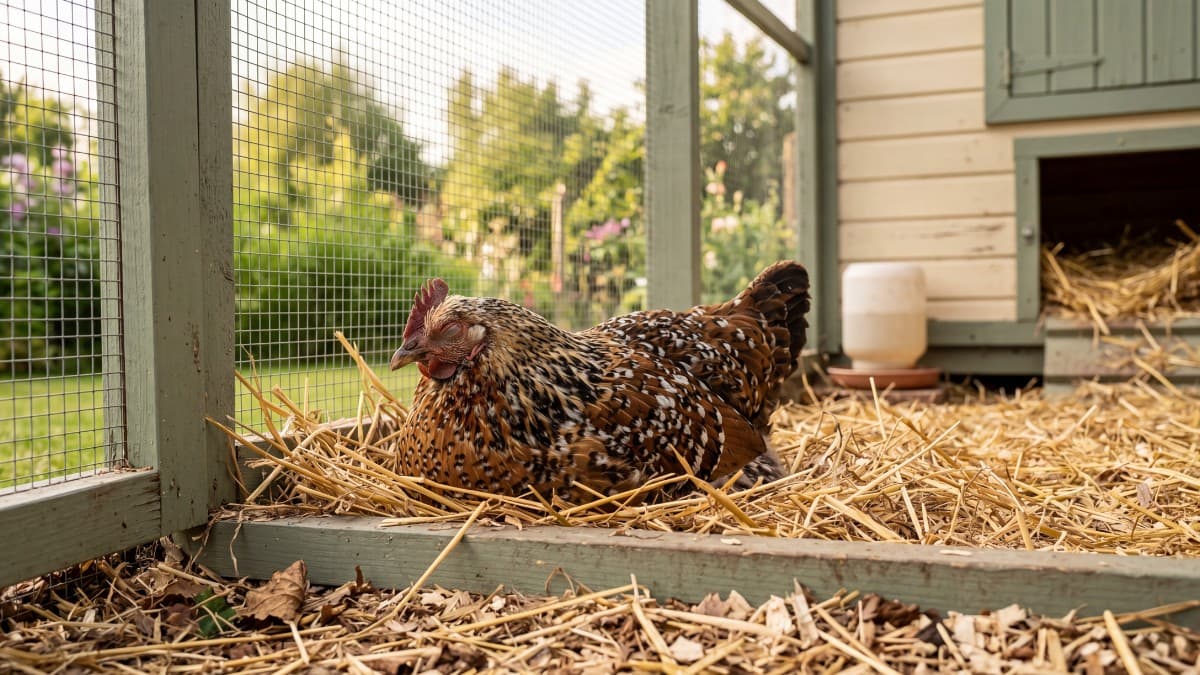
Buying bedding in bulk, such as large compressed bales of pine shavings from agricultural supply stores, is much cheaper than buying small bags at pet shops. Properly managing your bedding usage by spot-cleaning daily helps extend its lifespan, keeping your monthly operational expenses low.
Variable costs to plan for
Variable costs are the unexpected expenses that arise throughout the year. You should establish an emergency medical fund for veterinary visits or medications ($50 to $150). You will also need to replace worn feeders, waterers, or coop latches periodically ($20 to $50). In winter, heating elements for waterers will slightly increase your home electricity bill, and replacing lost bedding in spring requires a small investment. Health supplies are also variable.
Veterinary care for poultry can be hard to find and expensive. Having a basic flock first-aid kit stocked with wound spray (like Blue-Kote), electrolytes, and dewormer helps you manage minor health issues at home, saving you from expensive specialist avian vet fees. You should also budget for replacement birds every few years as older hens' egg production naturally slows down.
In areas with cold winters, using a heated waterer base will add a few dollars to your monthly electric bill. You may also need to invest in supplemental heating elements for the brooder if raising chicks in early spring. These energy costs should be factored into your annual flock budget.
Cost per egg
Calculating the cost per egg is a fun way to analyze your backyard chicken budget. A flock of 6 healthy heritage hens will lay about 100 to 120 dozen eggs per year. If your annual feed and bedding cost is $400, your operational cost is about $3.50 per dozen eggs. However, when you factor in a $600 startup coop cost over the first year, your actual egg cost is about $8.50 per dozen, dropping in subsequent years. Egg value is high.
This calculation shows that while backyard eggs are not a cheap food source, they are highly competitive with premium organic store-bought eggs over the long term. The non-monetary benefits—such as pesticide-free garden fertilization, weed control, and flock companionship—add immense value that makes the operational expenses highly worthwhile for homesteaders.
Where to save without cutting corners
You can save money without compromising flock welfare by building your own coop using recycled materials like pallets or old playhouses. Buying feed in bulk (50-pound bags) is much cheaper than small bags, and fermenting feed improves its digestibility, reducing feed waste. You can also allow your chickens to forage in the yard to lower feed intake, and compost their manure to save on garden fertilizer costs. Free-ranging is key.
Growing chicken-safe garden treats like sunflowers, kale, and squash is another great way to supplement their diet for free. Setting up a secure composting system in the run allows chickens to scratch through kitchen scraps safely, converting waste into rich garden soil. However, avoid feeding moldy scraps, which can make them sick and lead to expensive health issues.
Additionally, keeping flock numbers aligned with your coop space reduces feed waste and prevents resource fighting, which saves money on medical issues. Cooperating with local feed stores or buying scratch grain in bulk with neighboring homesteaders can also yield discount pricing. Investing in high-quality, rodent-proof feeders is another upfront cost that quickly pays for itself by preventing wild birds and mice from stealing your chicken feed.
Frequently Asked Questions
Quick, practical answers to common questions about feeding this to chickens.
About the Author

Amy Schmelter is a lifelong chicken keeper raising a large flock in Florida and the author of the upcoming book What I Wish I Knew Before Getting Chickens. She started Chicken Homestead to share what actually works.
Disclosure
Some links on Chicken Homestead may be affiliate links. We only recommend products we’d use ourselves. See our affiliate disclosure for details.