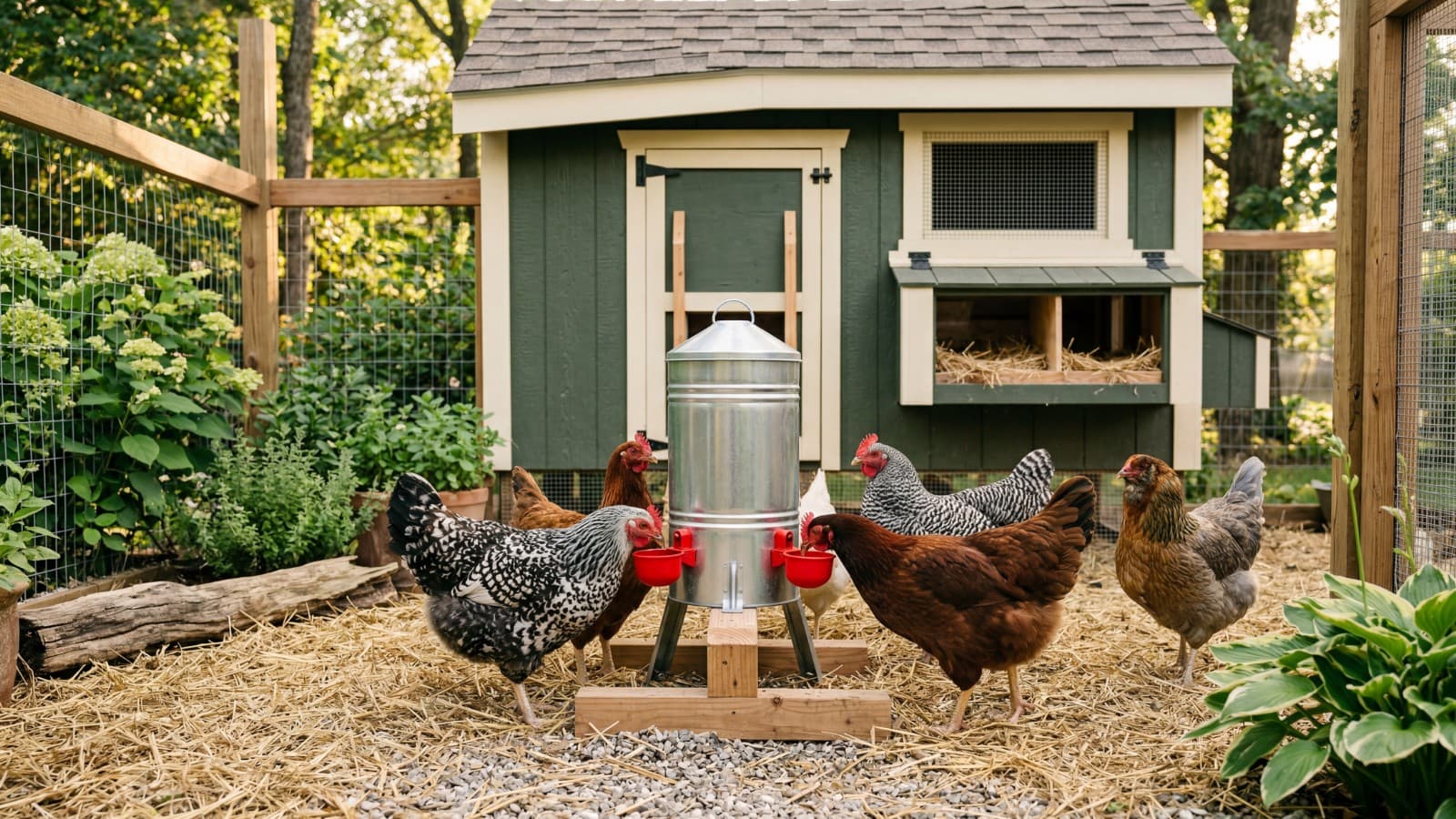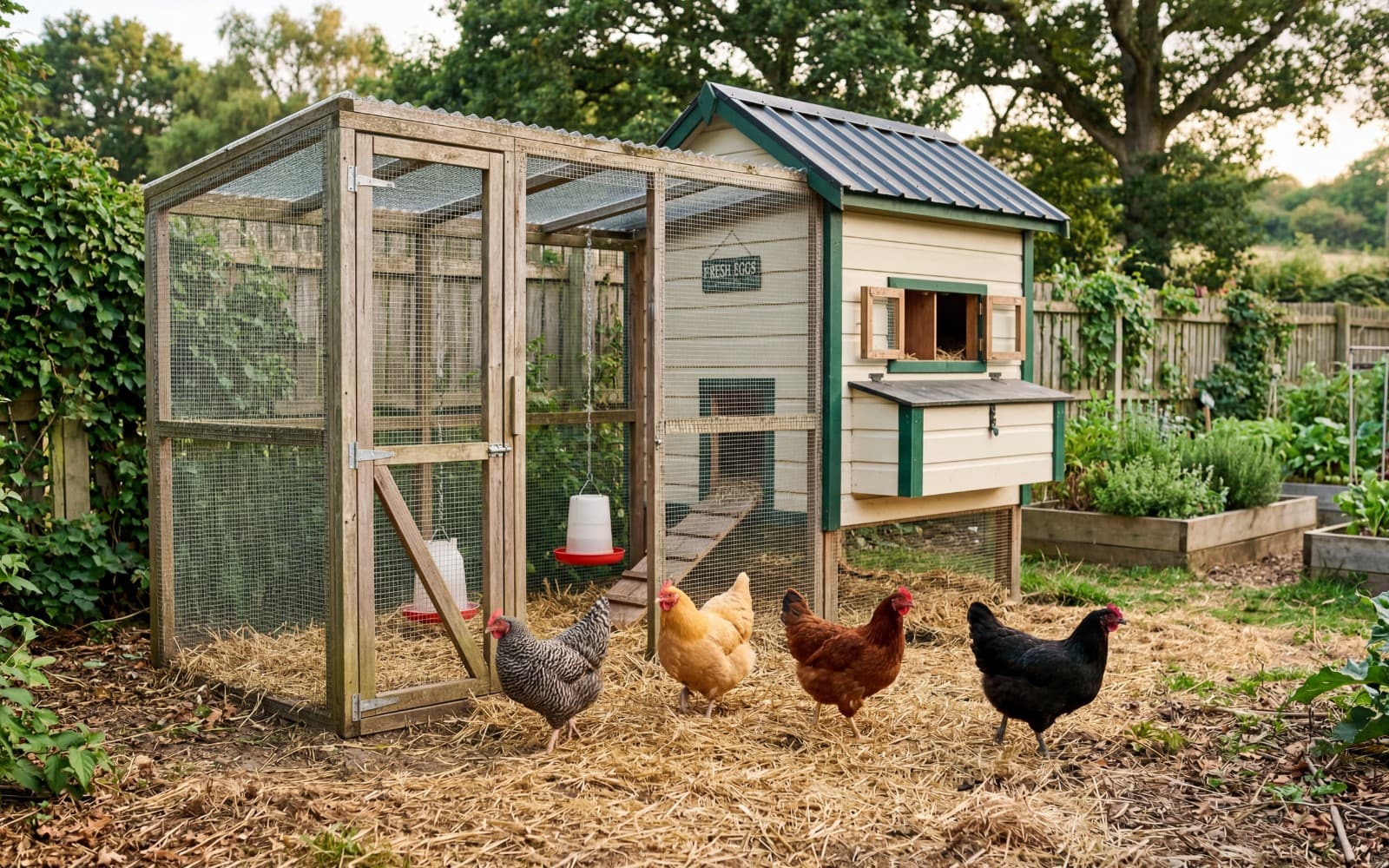
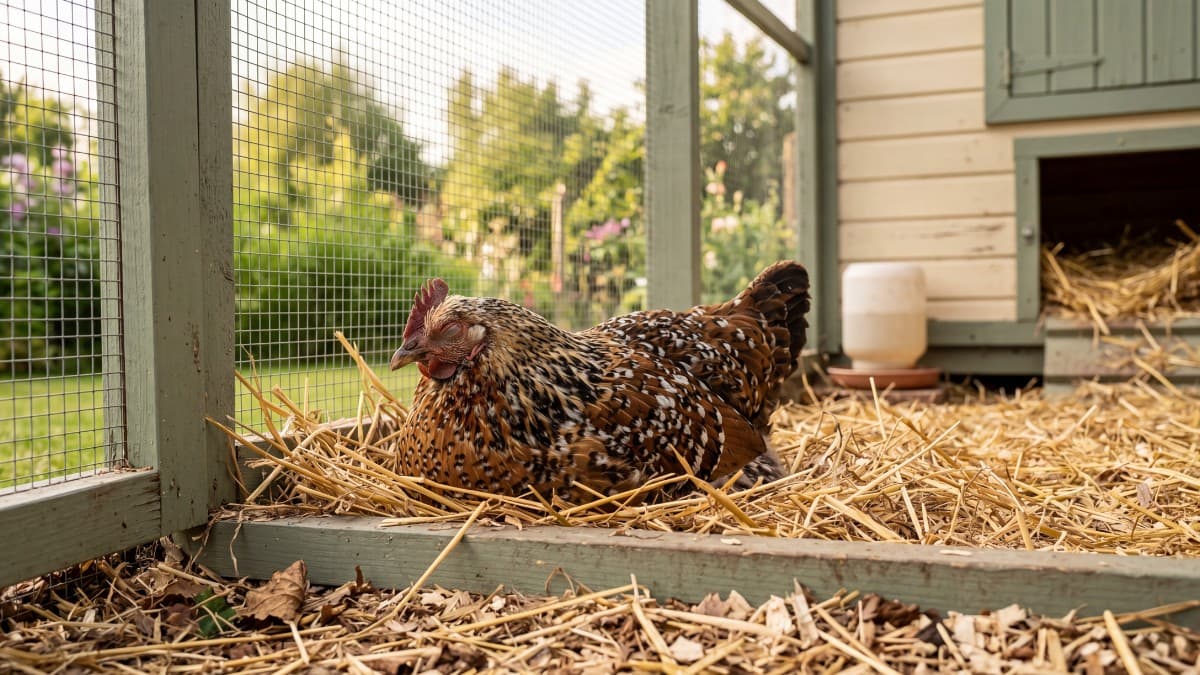
When you welcome chickens into your yard, you are committing to their long-term care and husbandry. While many people think of chickens as short-lived farm animals, backyard hens can live for several years under proper management. Understanding the typical chicken lifespan, how breed choice affects longevity, and how to care for aging hens is vital for any keeper. This guide covers chicken lifespans, commercial contrasts, breed variations, causes of early mortality, and end-of-life care. A hen's lifespan is a testament to the quality of her environment and daily care. By establishing a preventative health routine that includes checking for mites and maintaining dry bedding, you can help your flock members reach their senior years.
The quick answer
The quick answer is that backyard chickens typically live 5 to 10 years. A hen's lifespan is highly dependent on her environment, predator protection, and genetics. While commercial layers are culled early, backyard hens are allowed to age naturally, often living as pets long after their egg production slows. Providing secure housing and high-quality feed is key to helping them reach their full lifespan. A safe environment is crucial.
Under optimal conditions with protection from extreme weather and predators, some backyard hens can live to 11 or 12 years. Small ornamental bantam breeds are particularly long-lived. Providing consistent care and proper nutrition is the foundation of flock longevity. Regular coop cleaning prevents respiratory illnesses that can cut their lives short, ensuring your birds remain active and healthy for as long as possible.
Backyard vs commercial lifespan
There is a massive difference in lifespan between backyard and commercial chickens. Commercial hens are kept in high-density facilities and are culled at 1.5 to 2 years when their egg output drops. Backyard chickens, by contrast, live in spacious coops, forage outdoors, and receive individual care. This stress-free environment allows them to live three to five times longer than commercial birds, reaching their natural age limits.
Backyard flocks are also protected from the intense stress of crowding, which weakens immune systems and spreads disease rapidly. The ability to express natural behaviors, like scratching in the dirt and dust bathing, keeps backyard hens physically active and mentally healthy. Individual veterinary care or basic home remedies also help backyard birds recover from illnesses that would be fatal in commercial farms.
Backyard chickens also benefit from a diverse diet that includes fresh grass, weeds, and garden insects. This natural foraging provides essential vitamins and minerals that support immune function and joint health, helping them live long, active lives. The exercise they get from foraging also prevents obesity, extending their lifespan.
Breed differences
Breed choice has a major impact on chicken longevity. Heritage breeds (like Orpingtons, Brahmas, and Australorps) have robust genetics and live 8 to 10 years. Small bantam breeds also live long lives, often reaching 10 to 12 years. High-volume hybrid sex-links (like ISA Browns), however, have shorter lifespans of 4 to 6 years because their bodies wear out from intensive laying. Hybrids face higher risks.
Hybrids are engineered to produce nearly 300 eggs a year, which pulls massive amounts of calcium and protein from their bodies. This intense physical drive makes them highly prone to reproductive cancers and organ failure by age three, whereas heritage breeds lay at a moderate pace, preserving their health. Keepers focused on longevity should select traditional heritage lines rather than production hybrids.
Small bantam breeds often live the longest, sometimes reaching 12 to 15 years under optimal care. This longevity is due to their small body mass and lower egg production, which places less stress on their internal organs. Keeping bantams in a separate flock protects them from bullying, helping them reach their full lifespan.
What shortens a chicken's life
Several common factors can significantly shorten a chicken's life. Predator attacks remain the single leading cause of death for backyard flocks. Damp, drafty, or poorly ventilated coops trap moisture and ammonia, leading to chronic respiratory infections. Incorrect feeding, such as offering layer feed to growing chicks, damages their kidneys, while lack of calcium causes weak bones and egg binding. Untreated internal and external parasites, such as mites, lice, and roundworms, drain a bird's strength over time. High-production hybrids are also prone to reproductive tract cancers and egg peritonitis, which wear their bodies out within a few short years.
What helps chickens live longer
To help your chickens live a long and healthy life, construct a predator-proof coop using 1/2-inch hardware cloth and secure locking latches. Match their feed precisely to their life stage, providing high-quality starter, grower, or layer feed as appropriate. Offer free-choice oyster shell in a separate dish to support eggshell production without overloading non-laying birds with calcium. Provide constant access to clean, fresh water and deep shade, as heat stress is highly dangerous to poultry. Conduct weekly health checks to spot parasites, bumblefoot, or crop issues early, and maintain a clean, dry coop floor.
Laying years vs total life
A hen's laying lifespan is much shorter than her total natural lifespan. Hens lay most productively during their first two years, after which egg production naturally tapers by 20 to 30 percent each year. Many heritage breeds will continue to lay a few eggs weekly until they are five or six years old. However, once laying stops completely, a retired hen can live for several more years as a valued flock member. Senior hens often act as flock leaders, helping teach younger pullets where to forage and maintaining stability in the coop pecking order.
Signs of an aging hen
As a hen enters her senior years, you will notice gradual physical and behavioral changes. Slower movement, longer midday rests, and a reduced interest in running for treats are all common. Feathers may appear thinner or less vibrant after a molt, and the comb and wattles may lose their bright red color. Older hens may also develop stiff joints or arthritis, causing them to choose lower roosting bars. Their eggs will become less frequent, often carrying thinner shells or unusual shapes. Recognizing these normal signs of aging helps you adjust their care appropriately.
End-of-life care
Providing compassionate end-of-life care ensures your senior hens pass peacefully. Keep declining birds warm, dry, and protected from bullying by more active flock members. Place food and water dishes at ground level where they can reach them without climbing ramps. If a hen is in pain or suffering from an untreatable condition, consult a qualified veterinarian who can discuss humane euthanasia options. Letting a senior hen spend her final days comfortably in a familiar environment surrounded by her flockmates is the ideal way to honor her years of companionship.
Frequently Asked Questions
Quick, practical answers to common questions about feeding this to chickens.
About the Author

Amy Schmelter is a lifelong chicken keeper raising a large flock in Florida and the author of the upcoming book What I Wish I Knew Before Getting Chickens. She started Chicken Homestead to share what actually works.
Disclosure
Some links on Chicken Homestead may be affiliate links. We only recommend products we’d use ourselves. See our affiliate disclosure for details.