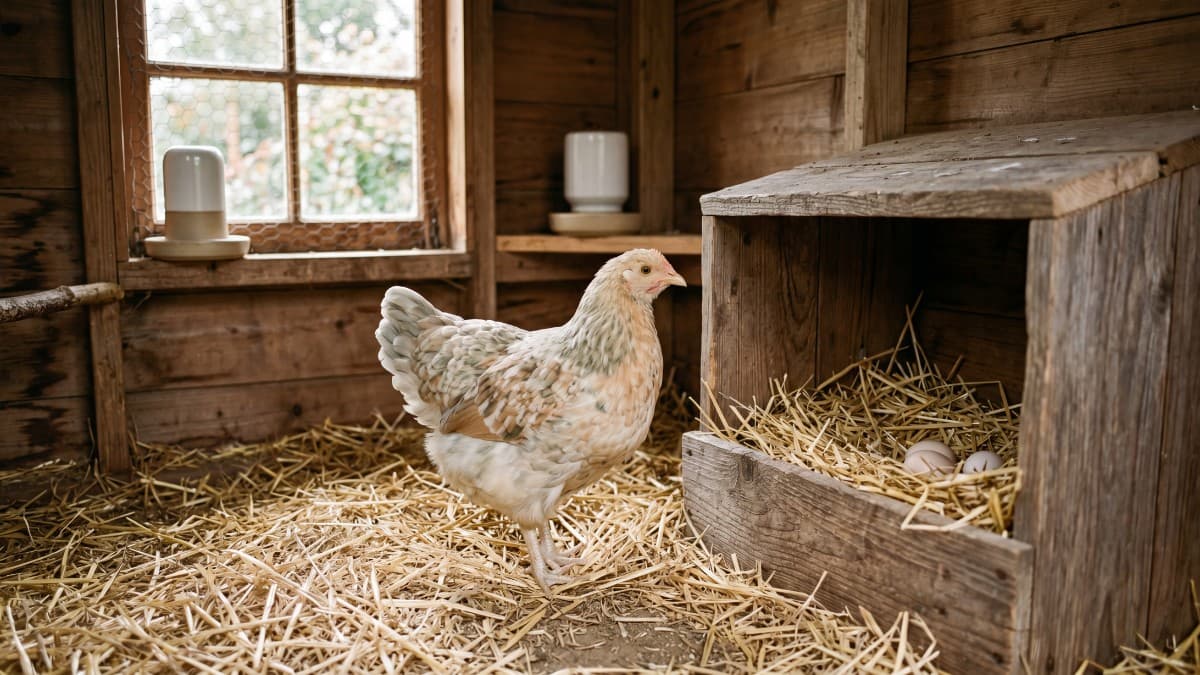
For chicken keepers raising birds from day-old chicks, the arrival of the first egg is a major milestone. The transition from a young chick (pullet) to a mature laying hen involves several physical and behavioral changes. While most chickens start laying around 18 to 24 weeks of age, the exact timing depends on breed genetics, nutrition, and the season. This guide covers the typical laying window, breed examples, signs of readiness, what to expect from first eggs, and how to support your birds during this transition. Understanding the signs of physical and hormonal maturity allows you to prepare their coops, switch feeds, and set up nesting boxes at the correct time, ensuring a stress-free transition for your young pullets.
The typical 18 to 24 week window
The typical window for a pullet to lay her first egg is between 18 and 24 weeks of age (roughly 4 to 6 months). During this time, her reproductive tract matures, and her body begins producing the hormones needed for ovulation. Some fast-maturing hybrid breeds will start laying as early as 16 weeks, while slow-maturing heritage breeds may take up to 8 months to produce their first egg. Environmental factors like daylight hours also play a major role in when they begin, as pullets reaching laying age in winter may wait until spring.
Nutrition during the growing phase is critical for determining when pullets start laying. Feeding a high-quality grower feed with 16% protein builds the muscle and bone mass needed to support egg production. Restricting feed intake or feeding low-protein treats will delay their maturity and start date.
Breed examples
Laying onset varies by breed. High-production hybrids (like ISA Browns) are bred for rapid maturity, starting at 16 to 18 weeks. Standard heritage breeds (like Plymouth Rocks, Wyandottes, and Orpingtons) typically begin laying at 20 to 24 weeks. Heavy breeds (like Brahmas and Jersey Giants) are much slower, taking 28 to 36 weeks. Bantams vary, with Silkies starting around 24 to 30 weeks. Knowing your breed's expected maturity window helps you manage feed transitions and nesting box access at the correct time.
Early and late layers
Early laying (under 16 weeks) is not desirable because a pullet's skeletal structure is not fully developed, which increases the risk of egg binding or prolapse. Late laying (over 30 weeks) is common in heritage breeds hatched in late summer, as the short winter days delay their development until spring. This delay is normal and allows the birds to grow stronger frames. There is no need to rush their development, as a late-starting hen often has a sturdier body and lays larger, more uniform eggs over her lifetime.
Signs a pullet is close to laying
You can spot a pullet close to laying by her physical changes. Her comb and wattles will grow and turn bright red as blood flow increases. She will perform the 'submissive squat' when you pet her back, which is the posture hens use for mating. You will also notice her visiting the nest boxes, scratching in the straw, and practicing nest building. Her pelvic bones will also widen, which you can feel gently; a gap of two to three fingers width indicates she is physically ready to pass an egg.
You may also notice pullets exhibiting the 'egg song'—a distinct, loud clucking noise that hens make before or after laying an egg. Pullets will practice this cluck as they inspect nesting boxes. It is a sign that their hormones are active and they are mentally preparing for their first lay.
What first eggs look like
First eggs are small and are called 'pullet eggs.' They are highly prized by chefs because they have a high yolk-to-white ratio and a rich flavor. Do not worry if the first few eggs are misshapen, soft-shelled, double-yolked, or have small blood streaks on the shell. These minor issues are common and will resolve within a few weeks as her body adjusts. Double-yolked eggs are especially frequent in pullets as their ovaries sometimes release two yolks close together before settling into a regular single-yolk cycle.
Helping them start well
You can help your pullets transition smoothly by switching them from chick grower feed to a complete layer feed at 18 weeks. Layer feed contains 3.5% to 4.5% calcium, which is essential for eggshell formation. Place wooden dummy eggs or golf balls in the nesting boxes to show them where to lay, and ensure they have a quiet, clean, and dark nesting area. Providing free-choice oyster shell in a separate dish is also helpful, allowing them to regulate their own calcium intake as their laying frequency increases.
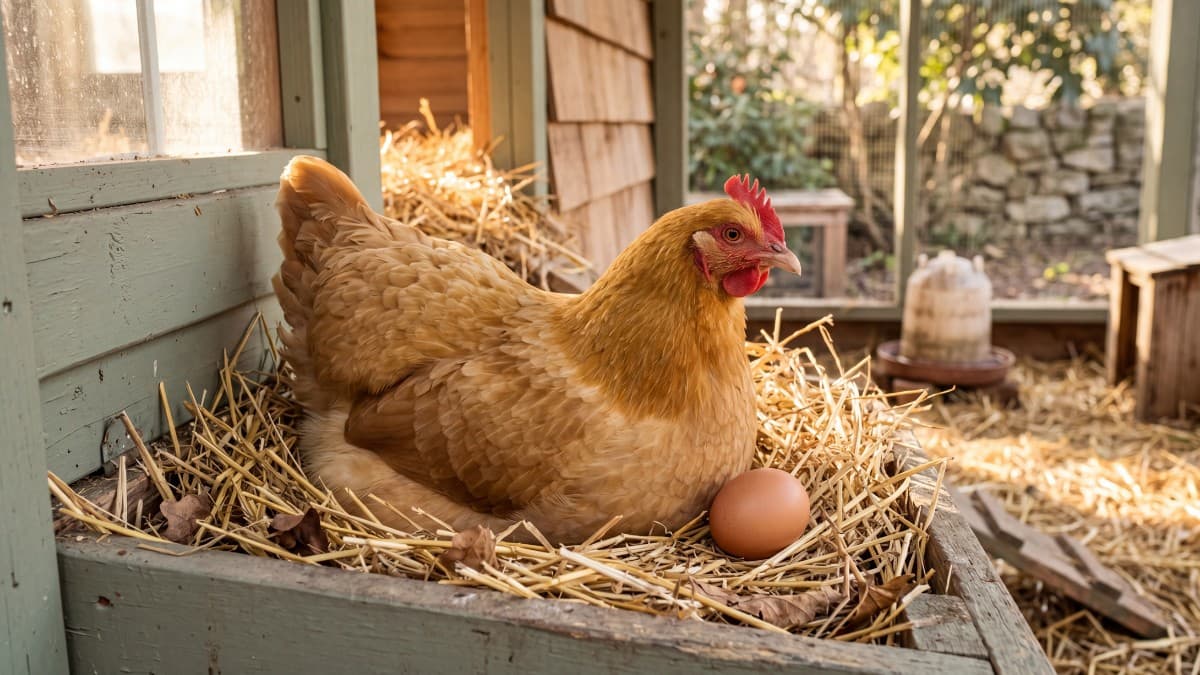
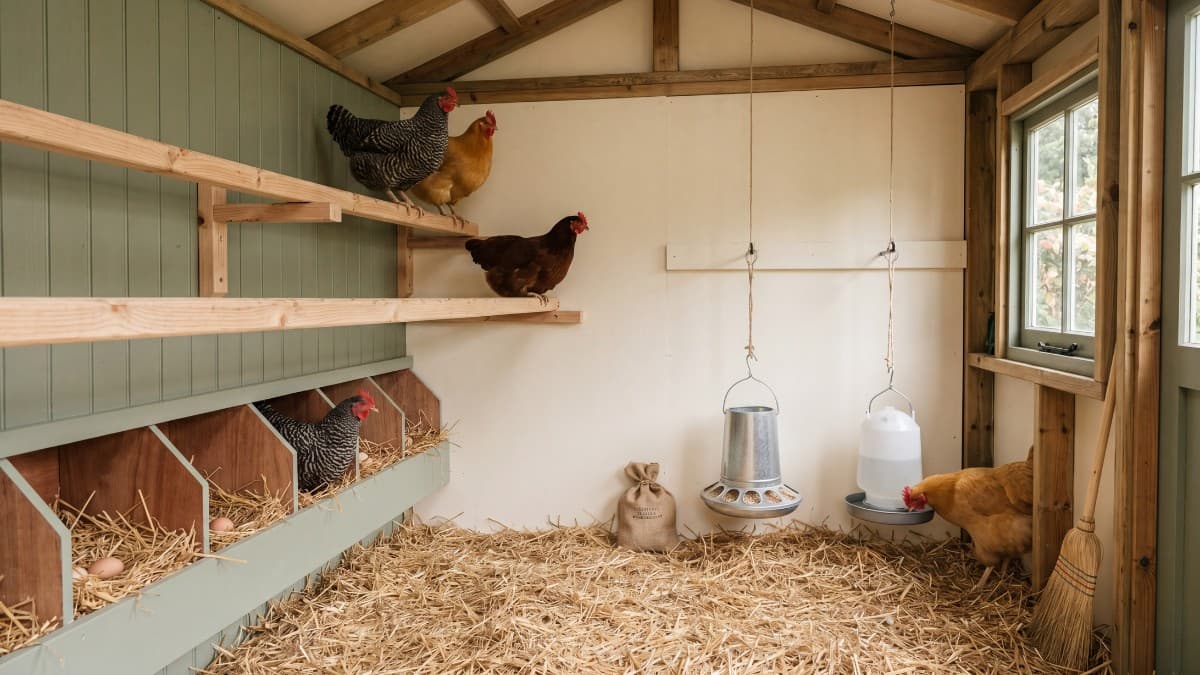
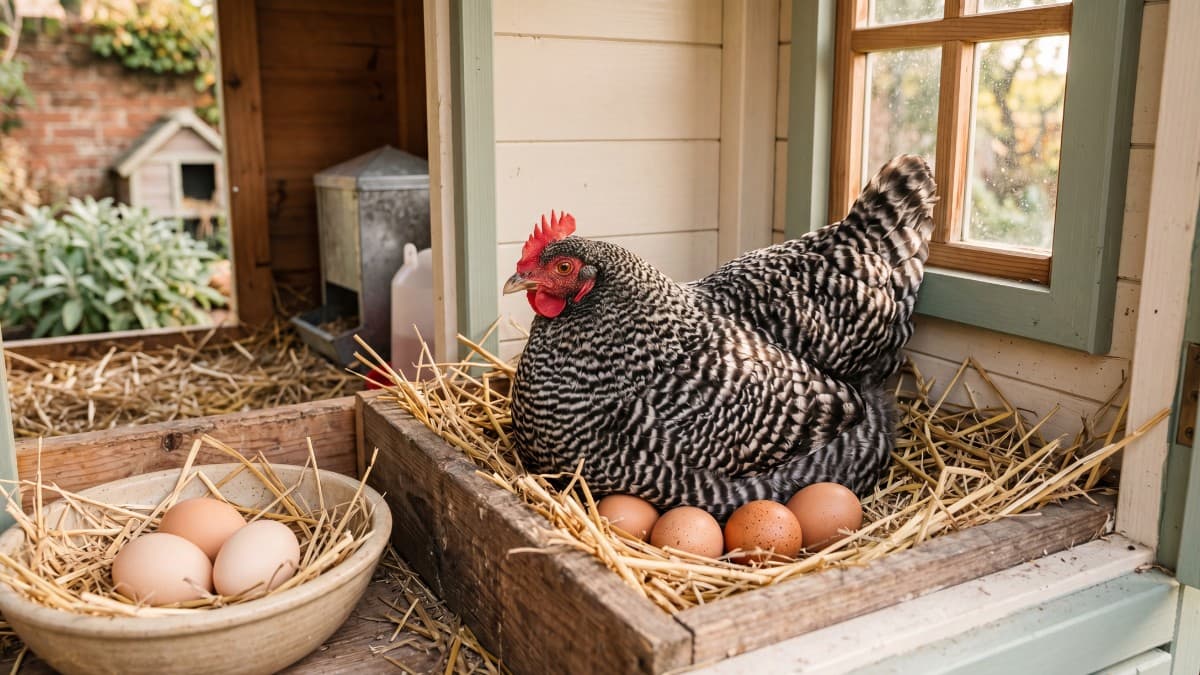
Nesting box comfort is key to preventing pullets from laying their first eggs on the coop floor. Keep the nest boxes bedded with soft, clean straw, and ensure they are placed in a dark, draft-free area of the coop. A quiet nesting space encourages pullets to use the boxes consistently.
Ensuring that the nesting area is located in a quiet, low-traffic corner of the coop is also key. If pullets feel threatened by dominant hens or external noises, they will seek out hidden outdoor nesting spots instead.
Ensure that nesting boxes are filled with clean, soft nesting material such as pine shavings or straw, and place a wooden decoy egg or ceramic egg inside each box. The sight of an egg in the nest encourages young pullets to climb inside and teaches them where they are supposed to lay, preventing the bad habit of floor laying. Avoid moving nesting boxes once laying has started, as pullets prefer consistency and may hold their eggs or lay in hidden outdoor corners if their environment is disrupted.
When she still is not laying
If your pullets have reached 26 weeks and are not laying, evaluate their diet and environment. Ensure they are eating layer feed and are not receiving too many low-protein treats. Check for hidden nests in the yard, as free-ranging pullets will often hide their first eggs under bushes or woodpiles. Ensure they have access to fresh water, and protect them from coop stress. Bullying from older hens can also delay laying, so ensure there are multiple feeding and watering stations in the run.
Frequently Asked Questions
Quick, practical answers to common questions about feeding this to chickens.
About the Author

Amy Schmelter is a lifelong chicken keeper raising a large flock in Florida and the author of the upcoming book What I Wish I Knew Before Getting Chickens. She started Chicken Homestead to share what actually works.
Disclosure
Some links on Chicken Homestead may be affiliate links. We only recommend products we’d use ourselves. See our affiliate disclosure for details.